Veterinary report

Varia — a black British Longhair cat

Varia

Cat British Longhair 12 years

Date of birth
25.08.2014
Microchip
968000011873589
Owner
Karina Grakova

Full medical chronology

24.06.2025 – 16.10.2026

Current

Clinical summary / current status as of 16.10.2026

A one-page summary to get into the history in 1–2 minutes. Everything here is expanded in sections 1–16; section references are given in brackets. The ⚠️ symbol marks places where documents contradict each other or data are missing.

Situation as of 16.10.2026 — the effusion reaccumulates within six days, weight keeps falling. Evening of 16.10 — RR 44–46/min; at TENVET 24h about an hour in an oxygen cage, then thoracocentesis ~140 ml of haemorrhagic fluid (60 ml right, 80 ml left) — the fifth tap since 26.09 and the largest volume. Morning of 16.10 at LoVet: weakness, nausea, constipation (hard faeces in the rectum), 38.2 °C, RR at home 32–34. Creatinine is back to normal — 156 µmol/l, but urea is 23.7 mmol/l — the highest on record; haemoglobin 98 g/l — at the lower limit (07.10 — 121), platelets 840 ↑, neutrophils 11.86 ↑ — no neutropenia. Furosemide reduced to 1/2 tablet twice daily, the 16.10 Palladia dose skipped (next — 18.10), metoclopramide SC, Dicopeg and Dulcobis. Weight 3.90 kg (12.10) — −7% in a week and −25% from 5.2 kg in July. 15.10 at Retina — eye sutures removed: corneas clearer, IOP 13 / 14 mmHg, menace and dazzle responses preserved, no discomfort. 12.10 at LoVet (recheck after TENVET): slightly better, RR up to 30, eating a little (home-cooked food), ultrasound — fluid 1.6–2 cm; furosemide 3/4 tablet twice daily, Palladia continued (sect. 4, entries 12–16.10.2026). Per the owners: after the tap on 16.10 RR was 34, and on 17.10, after furosemide and Palladia, breathing improved — RR 26 and 28 even while awake; on 18.10 she is eating, drinking, urinating and defecating; furosemide back to 3/4 tablet; Palladia given on 17.10 — in the owners’ observation, it is the only part of the treatment that works.

05–10.10.2026: on the night of 10.10 — dyspnoea; at the 24-hour clinic TENVET 24h RR 33, fluid on both sides (1.5 / 1.8 cm), compression atelectasis; a night in an oxygen cage. In the morning RR 40 — thoracocentesis, 120 ml of haemorrhagic fluid; discharged in stable condition, recheck with the primary vet on 11.10. 05.10 at LoVet (oncology recheck): ultrasound — “worse picture”, right lung collapse, 0.78 × 0.65 cm liver lesion — possible metastasis; temperature 39.0 °C; Palladia every other day, furosemide increased to 3/4 tablet three times daily, Convenia. 07.10 at LoVet — a 100 ml tap on the right and a jump in renal values: creatinine 250 µmol/l, urea 16.5 mmol/l (28.09 — 152 and 12.0), neutrophilia 15.08; weight 4.19 kg (same as 05.10). The oncologist reported poor condition and a poor prognosis; SC fluids, a day without furosemide, then 3/4 tablet twice daily; Palladia paused for one day. 10.10 at TENVET: creatinine ≈ 159 µmol/l, urea ≈ 11.4 mmol/l (different analyser), no neutropenia (Neu 10.43), signs of dehydration (RBC and Hb above the reference range). TENVET prognosis — guarded (sect. 4, entries 29.09–10.10.2026).

28.09.2026: on 25.09 at Retina, under general anaesthesia (without complications), surgery on both eyes was performed: corneal cross-linking, an antibiotic-impregnated collagen shield, eyes closed with third eyelid flaps; prognosis for the eyes guarded, suture removal in 14–21 days. 26.09 — dyspnoea 43/min, pale-cyanotic mucous membranes: bilateral thoracocentesis at the university clinic, 128 ml of haemorrhagic fluid removed. 28.09 at LoVet — another tap (50 ml on the right). The oncologist reported a poor prognosis and a high risk of progression on doxorubicin; at the owner’s request doxorubicin was replaced with Palladia (from 28.09). Blood on 28.09: leucocytosis with neutrophilia, urea slightly above normal (sect. 4, entries 25–28.09.2026).

Patient Cat, British Longhair, spayed, black. Date of birth 25.08.2014, age 12 years; ⚠️ documents from different clinics give inconsistent ages (sect. 2). Weight 3.90 kg on 12.10.2026 (LoVet; 16.10 — same value) — down from 4.19 kg on 05.10, 4.5 kg on 26.09, 4.78 kg on 14.09 and 5.2 kg in July (⚠️ until 28.09 the “Waga” field on LoVet forms was not updated, see sect. 2). 10.10 — BCS 4/9.
Diagnosis High-grade mammary carcinoma. Primary sample 08.08.2025 — simple solid carcinoma (rak prosty lity), Mills grade III (sect. 5).
Extent Since 13.04.2026 the oncologist clinically considers the disease metastatic with lung involvement (TFAST + overall picture). ⚠️ The lung lesion has not been confirmed morphologically. Recurrent pleural effusion since April 2026. 21.09.2026 on AFAST — a new 0.46 cm subcutaneous mass in the abdominal region, recurrence in the differential. 26.09.2026 on TFAST — ~1 × 1.5 cm mass in the thorax. 05.10.2026 on ultrasound — 0.78 × 0.65 cm heterogeneous liver lesion, “possible metastasis”; not verified.
Surgery (4 oncological operations, ALVET) 08.08.2025 — total right-sided mastectomy + inguinal lymph node (margin ~0.2 mm); 04.11.2025 — nodule near the scar, histologically benign; 29.12.2025 — mass behind the right scapula, high grade + lymphovascular invasion; 20.03.2026 — masses in the axillary region and abdomen; poorly differentiated high-grade tumour, tumour cells multifocally reaching the histological margins (sect. 6). 25.09.2026 — eye surgery at Retina (cross-linking of both corneas, third eyelid flaps).
Chemotherapy Carboplatin 200 mg/m² — one dose on 18.05.2026; the 08.06.2026 dose cancelled because of severe neutropenia (Neu# 0.45). From 15.06.2026 — doxorubicin 1 mg/kg every 21 days; 5 doses given, the last on 07.09.2026. The sixth dose was not given: on 28.09.2026 doxorubicin was replaced with Palladia (sect. 7).
Targeted therapy Palladia (toceranib) 13.04–08.06.2026: 10 → 15 → 10 mg Mon/Wed/Fri; stopped after severe neutropenia on 08.06.2026 (given together with carboplatin). Restarted on 28.09.2026: 10 mg on Monday and Wednesday; if there are no side effects — 15 mg on Friday and Monday. 07.10 — paused for one day, then 10 mg again; history on 10.10 — “two weeks of Palladia 10 mg per cat”; 12.10 — given; 16.10 — dose skipped because of weakness and nausea (the next was due on 18.10); per the owners, given on 17.10. No neutropenia on 07.10 (Neu 15.08), 10.10 (Neu 10.43) or 16.10 (Neu 11.86 ×10⁹/l).
Treatment (latest prescriptions 12–16.10) Palladia — see above. Furosemide (Furosoral 10 mg): from 09.10 — 3/4 tablet twice daily; 16.10 — reduced to 1/2 tablet twice daily; if breathing speeds up worryingly — back to 3/4 tablet twice daily and an ultrasound. Per the owners, as of 18.10 — back to 3/4 tablet. Convenia SC on 05.10; whether to repeat — to be decided at the recheck (recommendation of 12.10). Antiemetics: Zofran twice daily (12.10 — “helps”), metoclopramide SC at the clinic on 16.10. Constipation: Dicopeg, Dulcobis (16.10). Nefrokrill Gatto (since 07.10). Mirataz (dispensed 12.10). Cyclonamine injectable — 2 ampoules (12.10). Prednisolone: 3/4 tablet alternating with 1 tablet (5 mg), once daily (since 28.09). Analgesia: buprenorphine (Bupaq) transmucosally. GI: sucralfate, Helicid. Eyes (since 15.10, both): Vigamox 4× daily until the recheck; after 3 min — Vital Drop 3× daily until the bottle is finished; after 15 min — serum with Optixcare 4× daily until the vial is finished; after 3 min — Optixcare 4× daily long-term; if the eyes stay good — switch to Dexoftyal 3× daily and Optixcare gel 4× daily (sect. 9, 10).

Active problems as of the latest documented date

  • Pleural effusion — taps every few days: 26.09 — 128 ml, 28.09 — 50 ml on the right, 07.10 — 100 ml on the right (LoVet), 10.10 — 120 ml, 16.10 — ~140 ml (TENVET 24h: 60 ml right, 80 ml left, after an hour in an oxygen cage; RR at home beforehand 44–46/min). 12.10 on LoVet ultrasound — fluid 1.6–2 cm (side not stated). 10.10 — 120 ml (TENVET 24h, after a night in an oxygen cage; T-FAST 1.5 cm right / 1.8 cm left, compression atelectasis of the ventral lung fields, pleura fragmented and irregular). At night RR 33 and dyspnoea after activity, in the morning — 40/min. TENVET prognosis — guarded, including a risk of pulmonary thromboembolism. 26.09 — TFAST 2.2 cm left / 2 cm right, RR 43/min with abdominal effort, pale-cyanotic dry mucous membranes, crackles over all lung fields; bilateral thoracocentesis, 128 ml of dark haemorrhagic non-clotting fluid, after which breathing became deeper and slower. On the night of 28.09 breathing worsened again; on 28.09 another 50 ml was removed on the right (the left side was not tapped because the cat was restless). The 25.09 anaesthesia record mentions a tap “yesterday as well” (24.09) — there is no document for it. Threshold for an urgent visit recommended on 26.09 — RR 40/min or more (sect. 4).
  • Eyes after the surgery of 25.09: cross-linking of both corneas, an antibiotic-impregnated collagen shield, third eyelid flaps. 15.10 at Retina — sutures removed: no purulent discharge, corneal clarity improved, IOP 13 (right) / 14 (left) mmHg, no squinting, no signs of discomfort, menace and dazzle responses preserved on both sides. Drop regimen simplified (Vigamox, Vital Drop, serum with Optixcare, Optixcare); if the eyes stay good — switch to Dexoftyal and Optixcare gel. Recheck within 14 days (sect. 10).
  • Oncology — change of approach: on 28.09 the oncologist reported a poor prognosis and a high risk of progression on doxorubicin; at the owner’s request Palladia was started. The new ~1 × 1.5 cm mass in the thorax (26.09) and the 0.46 cm subcutaneous mass in the abdominal region (21.09) are not verified.
  • Appetite, stomach, hydration: 26.09 and the morning of 28.09 — no appetite; Retina on 25.09 notes that the cat is being assist-fed; Mirataz at the clinic on 26.09 and a spare dose on 27.09. Ultrasound signs of gastritis (21.09); the anaesthesia record says “gastritis / pancreatitis”. Weight 3.90 kg (12.10) — −0.3 kg in the week after 4.19 kg (05.10); from 4.78 kg (14.09) — about −18%, from 5.2 kg in July — −25%. 10.10 — only licked the sauce, no thirst, signs of dehydration. 12.10 — eating a little (the owner cooks tuna, liver, chicken), drinks on her own morning and evening, Zofran twice daily helps. 16.10 — nausea, difficulty swallowing, weakness; constipation (last stool 14.10, hard faeces in the rectum) — metoclopramide, Dicopeg, Dulcobis (sect. 8.3, 12).
  • Blood: 28.09 — leucocytosis with neutrophilia (per the vet; form not received), Clamoxyl L.A. prescribed. 07.10 (IDEXX) — WBC 17.38 ↑, neutrophils 15.08 ↑; red-cell values normal, MCH 11.0 ↓, RDW 31.2 ↑, platelets 550. 10.10 — WBC 11.77, neutrophils 10.43 (normal), lymphopenia 0.44; RBC 13.31 and Hb 16.2 above the reference range — haemoconcentration with dehydration. Chloride low (106.8), lactate 2.47 ↑. 16.10 (IDEXX) — haemoglobin 98 g/l (lower limit; 07.10 — 121), haematocrit 0.331, reticulocytes 38.7; platelets 840 ↑ — the highest on record; neutrophils 11.86 ↑ (sect. 4, entries 10.10 and 16.10).
  • Analgesia is limited by breathing: per the owner, buprenorphine works for about an hour; the LoVet vet noted on 23.09 that higher opioid doses may worsen breathing.
  • ~0.9×0.7 cm mass at the heart apex/in the mediastinum with a cyst inside — found on 26.08.2026, nature not established; ⚠️ whether it is the same as the “~1 × 1.5 cm mass” of 26.09 is not stated (sect. 11).
  • Kidneys — jump on 07.10, urea on 16.10: creatinine 126 (14.09) → 152 (28.09) → 250 µmol/l (07.10, ↑) → 156 (16.10, normal), urea 6.85 → 12.0 → 16.5 → 23.7 mmol/l (16.10, ↑ — the highest on record) — all from the same LoVet laboratory; BUN/CRE on 16.10 — 38 (07.10 — 16). 10.10 (TENVET, different analyser) — ≈ 159 µmol/l and ≈ 11.4 mmol/l. Both kidneys abnormal on AFAST 14.09.2026. Amylase on 07.10 — 2158 U/l (↑) (sect. 8.1, 13).
  • Proliferative changes within the thoracic wall (TFAST, 14.09.2026) — not commented on.

What needs a decision first

  1. Pleural effusion: 26.09 — 128 ml, 28.09 — 50 ml (right only), 07.10 — 100 ml (right), 10.10 — 120 ml, 16.10 — ~140 ml (both sides); possibly another tap on 24.09. Five taps in three weeks, 2–9 days apart, volumes not decreasing. A plan is needed: criteria and place for taps (both of the last ones were at TENVET; on the night of 10.10 the owners at first agreed only to conservative treatment), the role of furosemide and the steroid, whether an indwelling drain is needed.
  2. Furosemide: on the morning of 16.10 the dose was reduced to 1/2 tablet twice daily; that evening — RR 44–46 and a 140 ml tap. After the tap the owners went back to 3/4 tablet (as of 18.10). The dose needs to be confirmed with the vet, and its benefit decided given taps every few days — taking into account urea of 23.7 mmol/l.
  3. Urea and nutrition: creatinine 250 (07.10) → 156 µmol/l (16.10, normal), but urea 16.5 → 23.7 mmol/l — the highest on record, BUN/CRE 38; the cause is not discussed in the documents. Haemoglobin 121 → 98 g/l in nine days (two taps of haemorrhagic fluid between the tests). Weight 3.90 kg (−25% from July); eating a little, home-cooked food (tuna, liver, chicken); 16.10 — nausea, constipation. Daily water and food intake are worth recording and reporting to the vet.
  4. Palladia since 28.09, every other day; no neutropenia (16.10 — Neu 11.86). The 16.10 dose was skipped because of weakness and nausea, given on 17.10. In the owners’ observation, Palladia is the only part of the treatment that works; the vets have not assessed its effect in the documents. Platelets 840 ↑. The day of the next dose needs to be agreed with the vet.
  5. Steroid dose has not changed since 28.09 (3/4 tablet alternating with 1 tablet), but on 16.10 at 18:40, with rapid breathing, the owner gave Prednicortone (whether this was the scheduled dose is not stated); its effects on the effusion, stomach and cornea have not been coordinated between the clinics.
  6. 0.78 × 0.65 cm liver lesion (05.10), ~1 × 1.5 cm mass in the thorax (26.09), 0.46 cm subcutaneous mass (21.09) and proliferative changes in the thoracic wall (14.09) — probable signs of progression, not verified.
  7. Eyes: sutures removed on 15.10, condition better; recheck at Retina within 14 days (by ~29.10).

The full list of open questions and discrepancies between documents is in section 15.

1How to read this document

This report was compiled by the cat’s owner from photographs of paper and electronic medical records (visit records, laboratory results, histopathology and cytology reports, in-house lab printouts, radiographs) obtained from several veterinary clinics and laboratories. The documents were uploaded out of order and in batches; this report is the result of combining them into a single chronology checked for contradictions.

This document does not replace examination and assessment by a veterinarian. Its purpose is to give a new vet, oncologist or any consulting specialist the most complete and accurate picture of the medical history, without spending time sorting through dozens of scattered photographs.

Principles

  • Facts from documents are given with the date and source; when the original (usually in Polish) is quoted directly, a translation is provided.
  • The owner’s words (history, observations at home) are marked separately as “per the owner” — these are not objective clinical data.
  • Gaps in the data are marked as “not stated”, “document not uploaded”, “needs confirmation” — where information is missing, nothing is assumed.
  • The ⚠️ sign marks discrepancies and contradictions between documents — both versions are given without trying to decide which is correct; the full list is in section 15.
  • Laboratory values are given with units and the reference range of the laboratory that ran the test (the LoVet in-house lab uses different ranges from IDEXX — comparing numbers directly between the two is not valid).
  • Lay (non-veterinary) descriptions of images — for example, radiographs without an attached report — are marked separately and must not be taken as a diagnosis.

2Patient details

Parameter Value
Name VARIA (Варя). Retina clinic documents contain typos — “Waria”, “Walia”.
Species / sex Cat, female, spayed (samica kastrowana).
Breed British Longhair (kot brytyjski długowłosy) — exactly as in ALVET documents. LoVet forms give the simplified “Kot brytyjski” without coat length — not a contradiction, just a different level of detail between clinics.
Colour Black (maść czarna).
Microchip 968000011873589
Date of birth 25.08.2014 — confirmed by the owner. ⚠️ Documents from different clinics give inconsistent ages (see below); the priority date for this report is 25.08.2014.
Owner Karina Grakova, ul. Św. Jacka 18e, 30-364 Kraków, tel. 577682296(9)*, email karinagrva@gmail.com / gudvitt@gmail.com. *The last digit of the phone number differs between documents — not critical, not checked.

Basis for the date of birth

ALVET records age as “X years and Y months”, which allows the date of birth to be reconstructed from several independent points:

Record date Age in the document Calculated date of birth
08.08.2025 10 lat i 11 miesięcy ≈ September 2014
29.12.2025 11 lat i 4 miesiące ≈ late August 2014
04.11.2025 11 lat i 2 miesiące ≈ early September 2014
20.03.2026 11 lat i 7 miesięcy ≈ August 2014

The four ALVET records agree with each other and point to August–September 2014.

⚠️ Retina clinic records, however, give a different picture:

Record date Age in the document Calculated date of birth
18.08.2026 12 years 7 months ≈ January 2014
25.08.2026 12 years 8 months ≈ December 2013
10.09.2026 12 years 8 months ≈ January 2014
23.09.2026 12 years 9 months ≈ December 2013
25.09.2026 12 years 9 months ≈ December 2013

The university clinic on 26.09.2026 gives “12 years 1 month” — consistent with 25.08.2014. TENVET 24h on 10.10.2026 gives “12 years 4 months” — calculated ≈ June 2014, another discrepancy.

Separately, the IDEXX form of 24.06.2025 gives the age as “11 R” — this also fits an earlier date of birth better than September 2014.

Thus the age data from different clinics contradict each other: ALVET records broadly agree with the date of birth 25.08.2014 confirmed by the owner, while Retina records give an earlier calculated date — roughly December 2013 – January 2014. The LoVet biochemistry form of 02.09.2026 says “9 years” — an obvious technical error, not to be used as a source of age.

Clinics, laboratories and vets

Clinic / laboratory Role Vets
Przychodnia Weterynaryjna LoVet
Domagały 45/LU06, 30-741 Kraków
tel. 48797831631
Primary vet, oncology, chemotherapy Agata Drewniak (primary vet/oncologist), Oliwia Szaflik, Joanna Żak, Małgorzata Malec, Aldona Gromny
ALVET Gabinet Weterynaryjny Olga Jaworska
ul. G. Zapolskiej 42/12, 30-126 Kraków
tel. 501259254, olga.jaworska@wp.pl
All oncological surgery in 2025 – early 2026 lek. wet. Olga Jaworska
ALPHAVET Centrum Małych Zwierząt
ul. Lubostroń 15, 30-383 Kraków
Cardiology Dr n. wet. Paweł Łyp
Przychodnia Weterynaryjna RETINA
ul. Antoniego Szyllinga 3, 30-433 Kraków
tel. 696 789 015, biuro@weterynarz-okulista.pl
Ophthalmology; corneal surgery on 25.09.2026 dr n. wet. Paweł Stefanowicz (ESE ECVO surgeon), lek. wet. Veronika Chybowska, lek. wet. Maciej Rudnicki (anaesthesia 25.09)
University veterinary clinic (by the e-mail on the form — kontakt.upw@urk.edu.pl, tel. 12 662 49 73; the letterhead is cut off in the photo) Urgent visit on 26.09.2026 (Saturday), thoracocentesis lek. wet. Katarzyna Czuba
Klinika Weterynaryjna TENVET (24-hour)
ul. Galicyjska 4, 31-586 Kraków
tel. 727 777 901, kontakt@kkw-24.pl
Urgent visits: oxygen cage and thoracocentesis on 10.10.2026 and 16.10.2026 lek. wet. Joanna Serowy (10.10, night), dr n. wet. Diana Stopka (10.10, morning), lek. wet. Aleksandra Skawińska (16.10)
Przychodnia Weterynaryjna Zakrzówek
ul. Twardowskiego 87/5, 30-312 Kraków
tel. 790855850
Urinalysis on 21.09.2026 lek. wet. Edyta Korczewicz-Delgado
IDEXX Laboratories (external, via LoVet and directly for ALVET); ALAB Weterynaria (histopathology, cytology, urinalysis for ALVET); Vetlab sp. z o.o., ul. Żeliwna 36, 40-599 Katowice, tel. 32 413 06 07 (external, via LoVet — incl. fructosamine, form CBD8215); LoVet in-house laboratory (“Raport analizy hematologicznej”) Laboratory diagnostics —

Weight over time

Date Weight, kg Note
29.04.2026 4.80
18.05.2026 4.80
08.06.2026 4.80
13.06.2026 4.80 (official) ⚠️ the same document mentions “5.3 kg” per the owner — the discrepancy is not explained
15.06.2026 5.30
23.06.2026 5.00
24.06.2026 5.00
06.07.2026 5.20
10.07.2026 5.20
27.07.2026 not stated
03.08.2026 5.10
17.08.2026 4.94
19.08.2026 4.94
26.08.2026 5.00
02.09.2026 4.81 corrected by hand in the document
07.09.2026 4.77
11.09.2026 4.86 / 4.77 ⚠️ the history says “4.86 kg today” per the owner, the “Waga” field of the same document says 4.77
14.09.2026 4.78 / 4.87 ⚠️ 4.78 in the examination notes, 4.87 in the “Waga” field of the same document
21.09.2026 4.75 / 4.87 ⚠️ 4.75 in the examination notes, again 4.87 in the “Waga” field
23.09.2026 4.6 / 4.87 ⚠️ 4.6 in the examination notes, again 4.87 in the “Waga” field
25.09.2026 4.55 Retina, handwritten on the surgery record
26.09.2026 4.5 university clinic; the last reliable value
28.09.2026 4.87 (“Waga” field) ⚠️ the same unchanged LoVet field value; no weight in the examination notes
05.10.2026 4.19 (“Waga” field) LoVet; the field value changed for the first time since 14.09 — apparently a real weighing
07.10.2026 4.19 (“Waga” field) LoVet; same value as 05.10
10.10.2026 not stated TENVET 24h; BCS 4/9
12.10.2026 3.90 (“Waga” field) LoVet; examination notes say “has lost weight”
16.10.2026 3.90 (“Waga” field) LoVet; same value as 12.10

Overall trend: weight was relatively stable (4.8–5.3 kg) during chemotherapy, with a gradual slight decline towards September 2026. Between 07 and 14.09.2026 it ranged from 4.77 to 4.87 kg. After 14.09.2026 the decline accelerated: 4.78 → 4.75 (21.09) → 4.6 (23.09) → 4.55 (25.09) → 4.5 kg (26.09), i.e. about 6% of body weight in 12 days, with a sharply reduced appetite (⚠️ the phrase “1 teaspoon a day” of 23.09 is the owner’s exaggeration, the actual amount was not measured; the weight loss itself is objective). The scales differ between the three clinics. 05.10.2026 — 4.19 kg: another −0.3 kg in 9 days after 26.09; from 4.78 kg (14.09) — about −12% in three weeks. 12.10.2026 — 3.90 kg: another −0.3 kg (−7%) in a week; from 4.78 kg (14.09) — about −18%, from 5.2 kg in July — −25%.

⚠️ The “Waga” field on LoVet forms contains the same value of 4.87 kg in four documents in a row (14.09, 21.09, 23.09 and 28.09.2026), whereas the examination notes give a different weight each time. The field was apparently not updated at every visit, so the weight from the examination notes should be used for the trend. On 05.10.2026 the field shows a different value for the first time — 4.19 kg (07.10 — the same); it fits the overall trend and is taken as a real weighing on 05.10. This probably also explains the discrepancies within the 11.09 and 14.09 forms.

3Brief summary

Main diagnosis: high-grade mammary carcinoma; the primary sample of 08.08.2025 — simple solid carcinoma, Mills grade III. In November 2025 a suspicious nodule proved histologically benign. In December 2025 a high-grade tumour of the right axillary/scapular region with lymphovascular invasion was confirmed, probably with lymph node involvement; in March 2026 — two new high-grade poorly differentiated masses with tumour cells reaching the resection margins. Since 13.04.2026 the oncologist clinically considers the disease metastatic with lung involvement. Since April 2026 — recurrent pleural effusion and proliferative changes of the thoracic wall.

Histological subtype: the primary tumour (08.08.2025) and the material of 29.12.2025 were classified morphologically as simple solid carcinoma (rak prosty lity). However, in the samples from the 20.03.2026 surgery the tumour was so poorly differentiated that the pathologist could not determine its origin by standard histology alone; IHC (pancytokeratin, vimentin) was recommended to distinguish carcinoma, sarcoma and carcinosarcoma. According to the available documents, IHC has not been confirmed as performed.

Treatment (as of 28.09.2026): doxorubicin — V doses given, the last on 07.09.2026, at strictly 21-day intervals; the sixth dose, planned on 21.09 for ~28.09, was not given: on 28.09.2026 the oncologist reported a poor prognosis and a high risk of progression on doxorubicin, and at the owner’s request Palladia was started (10 mg Mon/Wed, if well tolerated — 15 mg Fri/Mon). Earlier — one documented dose of carboplatin (18.05.2026), during which Palladia was continued; the next carboplatin dose planned for 08.06.2026 was cancelled/postponed because of severe neutropenia, after which, per the owner, both carboplatin and Palladia were stopped; doxorubicin was started on 15.06.2026. As of 28.09.2026: prednisolone 3/4 tablet alternating with 1 tablet once daily; furosemide (SC on 28.09 and a tablet in the evening); Clamoxyl L.A. (antibiotic, repeat on 30.09); buprenorphine (Bupaq) transmucosally at a low dose; sucralfate, omeprazole (Helicid); Mirataz if there is no appetite; after the 25.09 surgery — an ophthalmic regimen of 6 drops and serum with Optixcare, a protective collar. 07.10.2026: Palladia paused for one day, then 10 mg again; furosemide — none on 08.10, from 09.10 — 3/4 tablet twice daily; Nefrokrill Gatto added; Zofran and Mirataz dispensed.

Concurrent problems:

  • Kidneys: azotaemia documented since at least 20.12.2025 (creatinine 221 µmol/l), several episodes of rising and normalising creatinine; since 24.06.2026 — irregular capsule of the left kidney on ultrasound; 10.07.2026 — radiopaque structures in the kidneys/bladder (not confirmed by further tests); 14.09.2026 — both kidneys abnormal on ultrasound (irregular outline) with biochemistry within range (creatinine 126 µmol/l). Then a rise: 152 µmol/l on 28.09 and 250 µmol/l on 07.10.2026 (urea 16.5 mmol/l) — the highest on record; on 10.10 at TENVET — about 159 µmol/l (different analyser).
  • Eyes: since mid-August 2026 — a severe, poorly responsive bilateral corneal epithelial defect (dry eye syndrome), possibly related to systemic therapy and/or FHV1 carriage. 10.09.2026 — worse despite intensive treatment: bandage contact lenses fitted on both eyes, the antiviral Acatavir added; from 14.09 — continuous opioid analgesia “for the eyes”. 23.09.2026 — further deterioration with keratomalacia of both eyes (the lesion had spread to the stroma), deep vascularisation and purulent-looking discharge; urgent surgery recommended (cross-linking + ACell Vet + tarsorrhaphy, ~60% chance), otherwise enucleation possible. 25.09.2026 — surgery performed: cross-linking of both corneas, an antibiotic-impregnated VetShield collagen shield, third eyelid flaps; anaesthesia without complications, prognosis guarded.
  • GI: an episode of severe constipation on 10.07.2026, potentially leading to megacolon; outcome not documented. Since 11.09.2026 — persistently reduced appetite, nausea and discomfort; 14.09.2026 ultrasound — hypoechoic pancreas and mild signs of gastritis; 21.09.2026 — ultrasound signs of gastritis; by 23.09.2026 — for a week barely eating or drinking, nausea not controlled, weight 4.6 kg; 26–28.09 — no appetite, weight 4.5 kg (26.09).
  • Heart: an incidental finding on 26.08.2026 — a ~0.9×0.7 cm mass at the heart apex/in the mediastinum with a cyst inside; no signs of HCM; blood pressure 155 mmHg; the cardiologist found no contraindication to continuing chemotherapy.
  • Liver: a single focal change in the parenchyma, first described on 24.06.2026; 05.10.2026 ultrasound — a 0.78 × 0.65 cm heterogeneous lesion, “possible metastasis” (whether it is the same lesion is unknown).
  • Blood: on 14.09.2026 no neutropenia, red-cell values within the IDEXX reference range; low MCH, high RDW, lymphopenia and thrombocytosis of 700 ×10⁹/l persist. 07.10.2026 (IDEXX) — neutrophilia 15.08, red-cell values normal, platelets 550. 10.10.2026 (TENVET, ~2 weeks on Palladia) — no neutropenia, lymphopenia, platelets normal; RBC and haemoglobin above the reference range — haemoconcentration with dehydration.

Most urgent open questions for a new vet (full list — section 15):

  • The pleural effusion reaccumulates within a few days: taps on 26.09 (128 ml), 28.09 (50 ml, right only), 07.10 (100 ml, right) and 10.10 (120 ml, TENVET 24h, after a night in an oxygen cage), possibly 24.09 — a plan is needed.
  • Jump in renal values on 07.10.2026: creatinine 250 µmol/l, urea 16.5 mmol/l (LoVet); on 10.10 at TENVET — ≈ 159 and 11.4 (different analyser). Recheck on the LoVet analyser — with furosemide and Palladia resumed.
  • Palladia restarted on 28.09.2026 after the doxorubicin course: the drug had previously been given together with carboplatin and was stopped after the episode of severe neutropenia on 08.06.2026; the available data cannot establish whether that neutropenia was caused by carboplatin, Palladia or their combination. Haematology monitoring is essential.
  • ~1 × 1.5 cm mass in the thorax (26.09.2026) and 0.46 cm subcutaneous mass in the abdominal region (21.09.2026), recurrence in the differential.
  • The exact histological subtype of the tumour has not been determined (IHC needed).
  • The resection margin at the last major surgery (20.03.2026) was histologically positive — further management is not described in the documents.
  • The radiographic finding in the kidneys/bladder of 10.07.2026 was never rechecked.
  • The radiographs themselves, labelled by the owner “02/03/2026”, were received without a vet’s report — they need to be read by a radiologist; there may be a mismatch with the date “04.03.2026” known from other documents.

4Full chronology by date

Below are all documented events in strict chronological order. Laboratory/histology results are generally given directly under the visit/surgery they relate to (even if the official report date is later), to keep the clinical link between cause and result; the report date is given separately.

2025

IDEXX: routine check-up + allergy screening (lab no. LZ405526)

The earliest of all documents received — a month before the tumour was found. At that time no signs of cancer were recorded.

  • Biochemistry: creatinine 159.12 µmol/l [79.56–203.32] — normal; urea 12.14 [5.71–13.57] — upper limit of normal; Na 154, K 4.9, total protein 77, albumin 36, globulin 41, A/G 0.88, ALT 42, AST 35, ALP 26, total bilirubin 3.42, cholesterol 4.76 — all within the reference range.
  • CBC: RBC 9.46, haematocrit 0.415, haemoglobin 128, MCV 43.9 (for comparison — normal; microcytosis developed later), MCH 13.5, MCHC 308, WBC 7.05, platelets 427 — all normal.
  • Allergy screening (GREER, IgE, CCD inhibitor): grasses, trees, mites/moulds, fleas — all negative.
  • Nutridexx food panel: IgE antibodies — R0 (negative) for all items. IgG antibodies — positive to varying degrees (R2–R4) to almost all foods tested (milk, various fish, poultry, beef/lamb/pork, cereals, potato, soy, etc.). The document gives no clinical interpretation of raised food IgG in cats, and it is generally debated in veterinary medicine — listed as an objective finding without interpretation.

tumour found at the right 2nd teat

Chest radiograph — unremarkable.

ALAB cytology (order no. 293/25-07-2025 of 25/28.07.2025, material received 28.07.2025, examined and reported on 01.08.2025 12:44; requesting vet lek. wet. Olga Jaworska, pathologist prof. dr hab. Rafał Sapierzyński): “Guz sutka kota. 5 rozmazów”. Conclusion: “nowotwór nabłonkowy gruczołu sutkowego, z minimalnie wyrażoną złośliwością cytologiczną” — epithelial mammary tumour with minimal cytological malignancy. The pathologist notes the moderate correlation between cytology and histology in cats and recommends surgical removal with histology.

IDEXX: pre-operative check-up (lab no. LZ029307)

  • Biochemistry: creatinine 150.28 µmol/l [79.56–203.32] — normal (an important point: the last normal creatinine immediately before surgical treatment); T4 and SDMA — normal.
  • CBC: haemoglobin 138, haematocrit 0.386, RBC 10.81, platelets 325. MCV 35.7↓ [39.0–56.0] — mild microcytosis appears here for the first time and persists throughout the rest of the history. Reticulocyte haemoglobin 13.4↓ [15.3–22.9] — the laboratory itself flagged the result: “Result implausibly low. We recommend retesting from new material” — no retest can be traced in the documents.

ALVET, dr Olga Jaworska: surgery no. 1 — total right-sided mastectomy

Total right-sided mastectomy with removal of the inguinal lymph node. Sedatex appears among the visit’s drugs for the first time (probably sedation for premedication/anaesthesia; composition and regimen not established from the documents).

ALAB histology: “rak prosty lity o złośliwości III stopnia z wąskim marginesem” — simple solid carcinoma, Mills grade III, narrow resection margin, with foci of necrosis; the margin is about 0.2 mm. (The exact Polish wording from the photo of the document needs a final check against the original — part of the text is small.)

nodule found near the surgical scar in the lower abdomen

Radiograph — clear.

IDEXX: blood count and biochemistry

Creatinine 185.64 [79.56–203.32] — normal, but higher than on 06.08 (150.28); urea 8.57; glucose 7.22; MCV 37.6↓, MCH 12.0↓ — the same pattern of mild microcytosis. Everything else normal.

ALVET, dr Olga Jaworska: surgery no. 2 — removal of the nodule near the scar

Per the owner: softer stools for 3–4 days, improved after the probiotic Sustain, softened again the day before the visit.

Surgery: mastectomy of the right chain in the region of the 3rd and 4th teat pairs; “guz hyperagresywny wrastający od strony uda licznymi naczyniami z ciemną cieczą” — an aggressively growing tumour from the thigh side with many vessels and dark fluid inside; partial removal of the abdominal muscles; layered closure. Prescribed: Biotrakson (ceftriaxone), NaCl, Tolfedine; collar for 10 days.

ALAB histology (13.11.2025): “Tkanka tłuszczowa podskórna objęta wieloogniskowym zlewającym się jałowym zapaleniem mieszanym... W badanym materiale brak cech procesu nowotworowego gruczołu sutkowego” — no neoplastic process found, the changes proved benign (sterile multifocal inflammation of fat tissue, fibrosis).

~1.5–2 cm lymph node found on the right

IDEXX: full blood work (lab no. 1000226201, report created 20.12.2025 03:16 UTC)

Creatinine 221 µmol/l [79.56–203.32] — above the reference range. This is the earliest documented episode of raised creatinine in the whole history. Also glucose 8.33 [3.5–7.77] — above normal (possibly stress hyperglycaemia).

  • Other biochemistry: urea 9.28, Na 153, K 5.0, total protein 76, albumin 31, globulin 45, A/G 0.69, ALT 32, AST 24, ALP 25, bilirubin 3.42, cholesterol 2.61 — normal.
  • CBC: RBC 10.62, haematocrit 0.38, haemoglobin 120, MCV 35.6↓, MCH 11.3↓ (the same microcytosis pattern), MCHC 317, WBC 11.28, platelets 279.

ALVET, dr Olga Jaworska: surgery no. 3 — tumour on the side of the body, behind the right scapula

Chest radiographs, 2 views — no visible changes in the lungs. Anaesthesia: dexmedetomidine, methadone, propofol, isoflurane.

Surgery: removal of the tumour “on the side of the body, behind the right scapula” (“guz z boku ciała, za łopatką prawą”) — the tumour grew right between the muscles and invaded them, the affected muscles were removed; the tumour was multilobed, black-green, furrowed. After surgery: Biotrakson, Tolfedine, Ringer’s at the clinic; at home — Bunondol; collar for 10 days.

Note on anatomy: the histology sample is labelled “tkanki miękkie z pachy kota” (soft tissue from the axilla), “probably an altered lymph node” — so the location broadly matches the previously known “~1.5–2 cm lymph node on the right”, but the document describes the tumour/affected tissue itself, not an isolated lymph node.

ALAB histology (order no. 211/05-01-2026, material registered 07.01.2026, examined 12.01.2026, reported 12.01.2026 19:52): specimen — “Tkanki miękkie z pachy kota”. Conclusion: “Rak prosty lity o wysokiej złośliwości histologicznej, prawdopodobnie zmieniony węzeł chłonny, w okolicznych naczyniach limfatycznych skupiska komórek raka” — high-grade simple solid carcinoma, probably an altered lymph node, clusters of carcinoma cells in the surrounding lymphatic vessels (lymphovascular invasion confirmed verbatim).

The pathologist’s comment (prof. dr hab. Rafał Sapierzyński) gives a general reference list of unfavourable prognostic factors in feline mammary tumours (age, breed, stage, tumour diameter, Mills grade, vascular invasion, lack of oestrogen receptors, expression of Ki67/COX-2/TP53/TIMP, etc.) — this is the laboratory’s general reference information, not an indication that these markers were measured in Varia.

2026

follow-up examination (primary document not uploaded)

Radiograph clear; ultrasound of all organs (documentation unavailable, known from the surgeon: everything looked clear on a screening scan). A possible small kidney stone and one kidney slightly larger than the other — possibly an individual normal variant. This is the earliest mention of renal findings on ultrasound specifically (on blood tests, as is now known, azotaemia had already been recorded on 20.12.2025).

Neoplazmaxan started (per the summary of 13.04.2026)

The cat was also receiving Apoquel (oclacitinib — a Janus kinase (JAK) inhibitor with antipruritic and anti-allergic action; its European authorisation is for dogs) and was switched to a renal diet because of raised creatinine on the latest test at the time.

fine-needle aspiration

Result per the summary of 13.04.2026: suspicion of a neoplastic process. Clarified from the primary document — ALAB cytology, examination of 09.03.2026: conclusion — “carcinoma of low/moderate cytological malignancy” (the more precise wording).

radiograph of the nodule (~2 cm); dark fluid during surgery

⚠️ The radiographs themselves were received (2 files, lateral and ventrodorsal views) labelled by the owner “02/03/2026”, whereas the original records gave the date “04.03.2026” — it is unclear whether this is one study with a typo in the date or two different studies; needs clarification with the clinic/owner.

On the lateral view, in the abdominal/inguinal region caudal to the ribs, a large structure of heterogeneous (mottled/speckled) density is visible; on the ventrodorsal view a similar structure is seen beside the spine in the lumbar/pelvic region. This is a lay description of the image — the exact anatomical location and clinical significance of the finding must be confirmed by the treating vet/radiologist; no vet’s report is attached to the images.

IDEXX: blood test

Creatinine 212.16 µmol/l — above the reference range (79.56–203.32). Urea 13.21 (upper limit of normal). Haemoglobin 103.0 (lower limit of normal 103.0–162.0).

ALAB: urinalysis

Protein detected in urine (+), haemoglobin strongly positive (++), fresh red cells 20–25 per field (normal — occasional) — marked haematuria and proteinuria. Quantitative protein 27.38 mg/dl.

ALVET, dr Olga Jaworska: surgery no. 4 — tumours from under the right axilla and from the abdomen

Inhalation anaesthesia with isoflurane. Both tumours lay under the muscles; part of the abdominal and thoracic muscular wall had to be removed; the axillary tumour lay against the large vessels and nerves of the axilla, was highly vascular, with haemorrhages. The vet noted that the surgery was highly traumatic, with a risk of oedema/paresis of the right forelimb.

Post-operative treatment: Marbocyl (marbofloxacin), Tolfedine, Ceporex (cefalexin), lactated Ringer’s IV, buprenorphine, Bunalgin at home 0.5 tablet every 8 h, collar for 10 days.

The ALVET vet explicitly recorded: “Ogólny wygląd guzów, rozpoznanie HP, liczne już wznowy są spójne w rozpoznanie raka gr mlekowego o wysokiej złośliwości, rokowanie ogólne nie jest pomyślne” — the general appearance of the tumours, the histopathological diagnosis and the already numerous recurrences are consistent with a diagnosis of high-grade mammary carcinoma; the overall prognosis is unfavourable.

ALAB histology (27.03.2026): “W obu badanych wycinkach nisko zróżnicowany nowotwór o wysokiej złośliwości histologicznej, prawdopodobnie rak lity, wieloogniskowo komórki nowotworowe stykają się z marginesami histologicznymi, w badanym materiale nie stwierdzono naciekania naczyń” — in both samples a poorly differentiated high-grade tumour, probably solid carcinoma; tumour cells multifocally reach the resection margins (margin not clean/questionable); no vascular invasion found. The pathologist notes separately that distinguishing carcinoma/sarcoma/carcinosarcoma requires immunohistochemical staining (pancytokeratin, vimentin) — the exact histological type of the tumour is not fully established even by the ALAB documents.

As of this date, per the summary of 13.04.2026: “stable, eating and using the litter box”.

LoVet, dr Agata Drewniak: first oncology consultation at LoVet

At this visit an English-language summary of the full history since 07.2025 was produced (it formed the basis of section 4 of this report). Examination: BCS 4/9, abdominal wall soft, non-painful, lymph nodes not enlarged, scar clean.

TFAST: right — single subpleural consolidations, up to 1.4 mm; left — a small amount of free fluid near the heart, a 1.4 mm change (possibly a fibrosed lung lobe), also subpleural consolidations.

Vet’s conclusion: disseminated cancer with lung metastases — i.e. on 13.04.2026 the oncologist clinically considered the disease metastatic with lung involvement based on TFAST and the overall oncological picture; there is no morphological verification of the lung lesion in the documents. The decision was made to start toceranib (Palladia) 10 mg, 1 tablet Mon/Wed/Fri, with gloves, not to be crushed/split, given the metastatic disease. Recheck in 2 weeks.

  • Haematology (16:31, sample no. 5885): WBC 7.33, Neu# 4.18, Lym# 2.73, Mon# 0.05, Eos# 0.37, Bas# 0.00, RBC 8.03↓, HGB 10.0↓, HCT 28.7↓, MCV 35.8↓, MCH 12.5, MCHC 35.0, PLT 266.
  • Biochemistry (23:52): TP 71.0, ALB 32.0, GLO 39.0, TBIL 2.79, AST 21, ALT 43, ALP 40, BUN 9.50, CRE 202↑ [1–168], CK 88, AMY 1328, GLU 7.87↑ [3.05–6.1], CHOL 5.12, Ca 2.85, P 1.19.

laboratory forms (visit document not uploaded)

  • Biochemistry: creatinine 161 µmol/l (decreased, within the 1–168 range); K+ 5.23↑; Ca 3.01↑ (upper limit); glucose 6.73↑.

  • Haematology (sample no. 6002): WBC 9.94, HGB 11.0, HCT 31.9, MCV 34.9↓, MPV 8.6↓.

Around this date (reconstructed from the Retina record of 18.08.2026) prednisolone 5 mg/day was started — the dose did not change until 15.06.2026.

LoVet, dr Agata Drewniak: follow-up ultrasound

Per the owner: breathing asleep 30/min, feeling well, eating, no vomiting/diarrhoea.

Ultrasound: left — marked improvement, less free fluid; right — free fluid present but less than on Monday; mild pulmonary oedema in the accessory lobes; subpleural consolidations visible.

Prescribed: continue Palladia 10 mg Mon/Wed/Fri; keep the steroid at 5 mg once daily in the evening; Libeo 10 mg (furosemide) added — 1/2 tablet in the morning (= 5 mg furosemide); recheck in 2 weeks. Weight 4.80 kg.

mention of an abdominal ultrasound “in February 2026”

Per the owner, recorded in the LoVet note of 13.06.2026 (“USG jamy brzusznej w lutym, ok”). Result — normal. The document of this ultrasound itself was not uploaded.

LoVet, dr Agata Drewniak

Chest tap (160 ml), progression on ultrasound; Palladia 15 mg Mon/Wed/Fri introduced; Furosoral 1/4 tablet; Cyklonamina 1/4 tablet twice daily. Weight 4.80 kg.

LoVet, dr Agata Drewniak: first documented chemotherapy

Per the owner: has recovered, more active, appetite fine, no vomiting or diarrhoea. Itching — the owners changed the food. Breathing at the visit 26–30/min. Ultrasound: the amount of fluid is comparable to that after the tap.

Decision to give carboplatin (Carboplatin Ebewe) 200 mg/m² in glucose + Cerenia 0.5 ml IV — the first clearly documented chemotherapy in the history.

Prescribed: Cyklonamina 250 mg 1/4 tablet twice daily; prednisolone — 5 mg 1 tablet once daily; Palladia — dose reduced to 10 mg Mon/Wed/Fri from 25.05.2026; furosemide reduced to 1/4 tablet once daily; for diarrhoea — Carobin Pet Forte; next chemotherapy in 3 weeks (expected ~08.06.2026). Weight 4.80 kg.

LoVet, dr Agata Drewniak: chemotherapy postponed because of neutropenia

Per the owner: 2 weeks after chemotherapy — the first week poor appetite, no vomiting; the second week — better. Blood test — severe neutropenia (WBC 2.56, Neu# 0.45): chemotherapy cannot be given today. Ultrasound: left — less free fluid; right — unchanged.

Decision: chemotherapy postponed by a week (actually given on 15.06.2026 — but as doxorubicin, not carboplatin, see section 6). Antibiotic Veraflox started. Among other things, Palladia 10 mg 20 tablets (3 packs) were bought. ⚠️ This confirms the purchase of the drug on 08.06.2026 but does not prove continued use after the neutropenia was found: per the owner, both carboplatin and Palladia were stopped at that time. Weight 4.80 kg.

Haematology (19:58, sample no. 6306): WBC 2.56↓ [5.50–19.50], Neu# 0.45↓ — severe neutropenia, Lym# 1.71, Mon# 0.02↓, Eos# 0.38, RBC 7.85.

LoVet, dr Oliwia Szaflik

Per the owner: in the morning rapid breathing ~57/min at rest (but not asleep); 1/2 tablet of furosemide given — slightly better; after a phone consultation with dr Drewniak another tablet was given (1.5 tablets in total that day) — better, breathing ~30/min. Drinking, urinating. Weight per the owner — 5.3 kg (⚠️ the official weight in the same document — 4.80 kg). Abdominal ultrasound in February was normal. Receiving prednisolone, Veraflox, furosemide. “Latest results good except for the neutropenia.”

Examination: mucous membranes pink, moist, CRT < 2 s. Peripheral lymph nodes not enlarged. Heart sounds normal, lung sounds reduced.

Ultrasound: fluid in the chest on both sides, more on the left; enlarged lymph nodes (⚠️ different from the examination just above — possibly different node groups). An attempt to place an IV cannula — the patient pulled away, catheter not placed.

Prescribed: furosemide 1/2 tablet once daily, if breathing speeds up — another 1/2 or a whole tablet; 2 hours before a visit — 1 capsule of gabapentin 100 mg (the purpose — sedation before stressful visits — formalised for the first time). Official weight: 4.80 kg.

Haematology (16:57, sample no. 6359): WBC 3.53↓, Neu# 1.42↓ (neutropenia), Lym# 1.98, RBC 7.23, HGB 9.9, HCT 26.7, MCV 36.9↓, MCHC 37.2 (H flag — inconsistent with the reference range, but the quality of the thermal printout makes some values hard to read), RDW-CV 24.2↑, PLT 699↑.

probable visit to an emergency clinic

Reconstructed from the note of 15.06.2026: “W ndz pogorszenie — 3×1,5 Tbl furosoralu — at night 23 — słychać było oddech głośny. Wizyta na dyżurze — 28 ml płynu wolnego”. Apparently — deterioration on Sunday, noisy breathing at night, a visit to an emergency clinic, 28 ml of fluid drained. The visit document itself was not uploaded.

LoVet, dr Agata Drewniak: doxorubicin I (after the change of drug)

Doxorubicin 1 mg/kg = 2.5 ml + maropitant; prednisolone increased to 1.5 tablets/day (7.5 mg); weight 5.30 kg. ⚠️ The document bears a handwritten date “18/05” that does not match the visit date (this note relates to the separate visit of 18.05.2026, see above).

LoVet, dr Agata Drewniak: oncology recheck

TFAST: new lesions 0.65×0.83, 0.45×0.55, 0.82×0.93 cm on the right; on the left 0.22–0.25 cm; deeper — 1.40×1.24 cm. Conclusion: “stable disease”. Temperature 38.30 °C, weight 5.00 kg.

LoVet, dr Oliwia Szaflik

Per the owner: weak since yesterday, livelier after eating. Breathing ~30/min, stable.

Examination: mucous membranes pink, moist. Peripheral lymph nodes not enlarged (⚠️ unlike the note of 13.06.2026). Heart sounds normal.

Ultrasound: fluid in the chest on both sides — similar to yesterday. Abdomen: a single focal change in the liver parenchyma (new finding); the left kidney has an irregular, “furrowed” capsule (new finding). No free fluid in the abdomen. CBC normal, slight decrease in haematocrit. Marked lipaemia — biochemistry not run.

Vet’s recommendations: if worse — run biochemistry to assess renal function; it was noted that in the event of kidney disease the therapeutic options are limited, as Varia may not tolerate intravenous fluid therapy. Weight 5.00 kg.

LoVet, dr Agata Drewniak: doxorubicin II

Per the owner: felt well in the morning, small amount of stool. Has felt well for the last 2 weeks, eaten well, gained weight.

Examination: mucous membranes pale pink. Breathing worse — tap performed — 60 ml of haemorrhagic fluid drained from the chest (the fluid had not previously been described as haemorrhagic). Ultrasound — subcutaneous oedema on the right (new finding).

Given: doxorubicin 1 mg/kg via the cannula + maropitant 1 mg/kg.

⚠️ The document is internally inconsistent about the steroid dose: the “Zalecenia” section says “steryd bez zmian tj 1,5 Tbl”, but just below — “Prednizolon 5 mg 1 Tbl 1 x dziennie”.

Temperature 38.50 °C, weight 5.20 kg.

Laboratory data (21:30–21:36): haematology — WBC 9.74 (normal, neutropenia resolved), MCV 37.3↓; biochemistry — BUN 11.5↑, K+ 5.19↑, GLU 6.85↑.

LoVet, dr Joanna Żak: severe constipation

Per the owner: chemotherapy was on Monday (06.07.2026). Before chemo — small “pellets” of stool. Since Monday the cat has passed almost no stool. Received wet food RC Intestinal, Purina Sterilised, lactulose. Since yesterday many unsuccessful attempts to defecate; vomited twice while straining.

Examination: mandibular lymph nodes slightly enlarged, temperature 39.5 °C (raised). Rectally — no faeces within reach of the finger.

Lateral radiograph: large accumulations of faeces in the colon before the pelvic inlet; the colon is dilated — constipation potentially leading to megacolon. In addition, more radiopaque structures are visible in the kidney region and in the bladder (possible calculi/mineralisation — not investigated or confirmed further).

Laboratory — a “stress leukogram” (neutrophils 94.3% with marked lymphopenia 3.8%); glucose 16.47 mmol/l — much higher than other measurements (probably stress hyperglycaemia); phosphorus low (0.62, unusual with a suspected renal problem); K+ 5.04↑ (raised again, as on 06.07.2026).

Prescribed: continue lactulose twice daily; Fiberactiv (fibre); Dicopeg (macrogol, laxative); recheck on Monday 18:30 (= 13.07.2026, document not uploaded). Weight 5.20 kg.

LoVet, dr Agata Drewniak: doxorubicin III

Doxorubicin 1 mg/kg, 2.5 ml + maropitant. ⚠️ The document contains an unclear phrase: “właścicielka włączyła steryd: 3 razy” — could not be interpreted unambiguously.

Per the owner: furosemide was stopped completely from 27.07.2026 and was not given to Varia after that date, including at the visits on 02.09 and 07.09.2026.

LoVet, dr Joanna Żak

Examination: worse coat condition — areas of thinning/translucent coat where the undercoat shows through. Anal sacs expressed — the left one markedly enlarged, impacted. Iron (Suiferrin) 0.3 ml IM given. “CBC stable” in the vet’s opinion (the laboratory results, however, show signs of mild anaemia and neutropenia — see below). Sucralfate dispensed — 7 doses of 1 ml. Weight 5.10 kg.

Haematology (16:14, sample no. 6733): WBC 6.06, Neu# 1.41↓ (neutropenia), RBC 6.74, HGB 8.3↓, HCT 23.5↓, MCV 34.9↓ — mild microcytic anaemia added to the neutropenia.

LoVet, dr Agata Drewniak: doxorubicin IV, corneal ulcers found for the first time

Doxorubicin 1 mg/kg, 2.4 ml + maropitant. Prednisolone reduced to 5 mg/day (1 tablet) — from 27.04 to 15.06.2026 the dose was 5 mg/day, from 15.06 it was raised to 7.5 mg/day (1.5 tablets), now reduced to 5 mg again.

Extensive corneal ulcers/erosions of both eyes found for the first time (fluorescein test +++). Started Tobrex 6× daily, Yellox twice daily, Corneregel 3× daily. Ophthalmology consultation recommended.

Retina, dr Paweł Stefanowicz: 1st ophthalmology visit

History: the cat is under oncological treatment, receiving doxorubicin. Eye problems for about a week — tearing (per the owner — onset ~09.08.2026), Veraflox was given.

Examination: IOP OD 18.3, OS 20 mmHg. Scant mucoid discharge at the canthus on both sides. Conjunctival and corneal hydration impaired (low tear meniscus, short NIBUT). Cornea: extensive endothelial changes (maceration, “wrinkling”), corneal epithelial abrasion visible on both sides. Lens — age-related changes (nuclear sclerosis). Fundus unremarkable.

Diagnosis: superficial corneal injury (epithelial abrasion). Dry eye syndrome (ZSO). Possible causes: general condition, age, medications (including corticosteroids, chemotherapy), possible carriage of feline herpesvirus FHV1 (typical for the breed) with reduced immunity.

Recommendations (verbatim — “for the treating vet to consider”): reduce the corticosteroid dose, “of course, if the general condition allows”; introduce an immunomodulator, e.g. beta-glucan. Prescribed: Tobrex 4× daily, Corneregel 2–4× daily, Optixcare at least 4× daily — “the drugs in this order and at least 2 minutes apart”. Optixcare Eye Lube Plus 20 g dispensed. Recheck within 14 days or immediately if there are worrying signs. Age given: 12 years 7 months.

⚠️ The requirement to keep intervals between drops is thus already in the first ophthalmology record and is repeated at every subsequent visit (25.08 — 2, 5–10 and 15 minutes; 03.09 — 2, 5–10 and 10 minutes). The earlier wording of this report, that intervals were first prescribed on 10.09.2026, was wrong and was corrected on 24.09.2026 from the full text of the documents.

LoVet, dr Agata Drewniak

Bought: Famogast/Ranigast (famotidine) 20 mg; Varenzin 23.3 mg/ml, 27 ml — 1 ml once daily by mouth. Varenzin (active substance — molidustat) is an anti-anaemic drug that increases endogenous erythropoietin production; it is authorised for the treatment of non-regenerative anaemia associated with chronic kidney disease in cats. The vet’s note does not state a specific reason for prescribing it to Varia. Weight 4.94 kg.

Retina, lek. wet. Veronika Chybowska: 2nd ophthalmology visit

History: the eye discharge has stopped, but the cat squints very strongly and looks very painful. Eating, drinking, normal urination and defecation. Prednisolone reduced to 5 mg since 17.08. Beta-glucan introduced. The cat tries to rub off Optixcare and Dexoftyal gel.

Examination (both eyes described the same): squinting. IOP OD 19, OS 19 mmHg. Scant mucoid discharge at the canthus — improved at this recheck. Eyelids normal. Conjunctival and corneal hydration impaired (low meniscus, short NIBUT) — improved compared with the first examination. Conjunctiva normal. Cornea: extensive endothelial changes (maceration, “wrinkling”); corneal epithelial abrasion visible — horizontal, with irregular edges. Lens — age-related nuclear sclerosis, fundus normal; neuro-ophthalmic responses preserved.

Conclusion: superficial corneal injuries (epithelial abrasion). The signs indicate impaired corneal hydration — ZSO. “We are intensifying treatment.” Possible causes — the same as on 18.08.

Prescribed — in the stated order: Optixcare EMS 1 drop once daily (store in the fridge, 10 minutes’ break before the next drugs) → 2 min → Tobrex 4× daily → 2 min → Corneregel twice daily → 5–10 min → Optixcare at least 4× daily → 15 minutes’ break before the serum → allogeneic serum/plasma with EDTA 4× daily (store in the fridge, warm in the hand before instilling). EMS (Eye Support), a serum bottle and Tobrex dispensed. Recheck within 10 days. Age given: 12 years 8 months.

⚠️ Correction of 24.09.2026. Earlier, this report attributed to this visit an epithelial defect of OD ~70% / OS ~80%, the conclusion “worse despite intensive treatment” and a request to replace the steroid. According to the full text of the document this is wrong: on 25.08 there are no percentages and no conclusion of deterioration; on the contrary, improvement in discharge and hydration is noted. All three points belong to the visit of 03.09.2026 (see below).

ALPHAVET, Dr Paweł Łyp: cardiology consultation

Echocardiography without signs of HCM; an incidental ~0.9×0.7 cm mass at the heart apex/in the mediastinum with a cyst inside. Blood pressure 155 mmHg. No contraindication to continuing chemotherapy found.

LoVet, dr Małgorzata Malec

New sign: pain on palpation of the thoracic spine. Ultrasound: 0.8 cm of free fluid on the left, 0.53 cm on the right. Weight 4.81 kg.

Biochemistry: all renal and hepatic values (urea, creatinine 120, AST, ALT, ALP, bilirubin) — within range, despite the abnormal left kidney capsule on the ultrasound of 24.06.2026. Glucose 6.93↑ (possibly stress-related). ⚠️ The form wrongly gives the age as “9 Lat”.

IDEXX Haematology — only page 1 of 2 received; page 2 (with graphs and laboratory comments) for this date was never received.

Retina, lek. wet. Veronika Chybowska: 3rd ophthalmology visit

History: slightly better, but still squinting and painful. Optixcare every 2 hours brings relief. The cat eats and drinks but is inactive. ⚠️ Per the owner — “yesterday blood tests were done (normal), an oncology-therapy visit, and a visit to the cardiologist — no abnormalities”; there is no separate document of a cardiology visit on 02.09.2026 itself (the nearest documented one is 26.08.2026).

Examination: squinting. IOP OD 19, OS 19 mmHg. Scant mucoid discharge — improved at this recheck. Hydration impaired (low meniscus, short NIBUT). Conjunctiva normal. Cornea: extensive endothelial changes; epithelial defect OD ~70%, OS ~80% of the surface — the previously separate defects have merged into one extensive defect. Neuro-ophthalmic responses preserved.

Conclusion: extensive superficial corneal injuries — epithelial defects. Worse despite intensive treatment — larger areas of epithelial defect. Cause — ZSO; possible causes the same. The owners report that the treating oncologist could replace the oral steroid with another drug; “if the replacement is safe for the cat’s general condition, please replace the drug”.

Prescribed — in the stated order: Tobrex 4× daily → 2 min → Vital Drop 3× daily (note: may sting — try on one eye; if uncomfortable, stop and use Optixcare EMS once daily first in line) → 5–10 min → Corneregel twice daily → 5–10 min → Optixcare at least 5–6× daily → 10 min break → serum 4× daily (in the fridge). Vital Drop, Tobrex, Optixcare Eye Lube Plus and a serum bottle dispensed. Recheck within 7 days. Age given: 12 years 8 months.

This is the first record with a numerical estimate of the defect area.

LoVet, dr Agata Drewniak: doxorubicin V (last dose)

Per the owner — “were at Retina 3 times” (confirmed by the three visits on 18.08, 25.08, 03.09.2026). Varenzin stopped; steroid reduced to 3/4 tablet/day.

Ultrasound per the written note: 2.0 cm of free fluid on the left, 1.5 cm on the right. ⚠️ The change in the pleural effusion between 02.09 and 07.09.2026 is ambiguous. The written note of 02.09 gives 0.8 cm on the left and 0.53 cm on the right, and that of 07.09 — 2.0 cm on the left and 1.5 cm on the right. However, during the examination on 07.09 dr Agata Drewniak told the owners verbally that the amount of fluid was at about the same level as before. Therefore the available data do not allow a confident statement that a clinically significant increase in the total volume of pleural effusion occurred over these 5 days. It needs to be clarified with the treating vet whether the differing centimetre values reflect a real change or a different site/technique of ultrasound measurement. Weight 4.77 kg.

IDEXX Haematology of this date (full) — see the laboratory tables, section 8; compared with 02.09.2026 it shows a decrease in RBC/HCT/HGB, a decrease in MCH, an increase in RDW and reticulocytosis, and an increase in WBC/neutrophils/monocytes.

Retina, dr n. wet. Paweł Stefanowicz: 4th ophthalmology visit

History: Prednicortone dose reduced to 3/4 tablet/day. In the owner’s assessment — slight improvement, discomfort less noticeable. Pregabalin is being given. ⚠️ All previous documents mention gabapentin, and the LoVet note of 11.09.2026 again mentions gabapentin — which of the two drugs is actually used cannot be resolved from the documents.

Examination (the right and left eye are described identically in the document): scant mucoid discharge at the canthus, along the lid margins and on the corneal surface. Conjunctival and corneal hydration impaired (low tear meniscus, short NIBUT). Conjunctiva normal. Corneal epithelial defect over ~70% of the surface, geographic in shape — on both sides. Lens — age-related changes (nuclear sclerosis). Fundus normal (examined without mydriasis). Neuro-ophthalmic responses preserved on both sides: at rest the pupil constricted appropriately for the light, menace — present, dazzle — present, PLR — present (direct and consensual).

Conclusion: extensive superficial corneal injuries — epithelial defects. Worse despite intensive treatment — larger areas of epithelial defect. The signs point to impaired corneal hydration — ZSO — as the cause. Possible causes of the impaired hydration: the cat’s general condition, age, medications (including corticosteroids, chemotherapy), and potential FHV1 carriage (typical for the breed) in the context of reduced immunity.

Bandage (therapeutic) contact lenses fitted today — the list of procedures includes “SZKŁO KONTAKTOWE 2” (i.e. both eyes), ophthalmology visit, disposables, Acatavir.

Prescribed — strictly in the stated order and keeping the intervals (as at all previous visits since 18.08): Acatavir 4× daily → 2 min break → Tobrex 4× daily → 2 min → Vital Drop 3× daily → 5 min → Corneregel twice daily → 2 min → Optixcare at least 4–6× daily → 10 min break before the serum → allogeneic serum 4× daily (store in the fridge). Recheck within 14 days or immediately if there are worrying signs. Age in the document: 12 years 8 months.

⚠️ Numerical discrepancy: on 03.09.2026 the defect was estimated as OD ~70% / OS ~80%, and on 10.09.2026 — ~70% on both sides, although the same document concludes there was deterioration. These estimates cannot be compared as exact measurements of area.

Acatavir is a topical ophthalmic antiviral; prescribed for the first time and consistent with the earlier suggestion of a possible role of FHV1. ⚠️ Its composition should be checked on the package — it is not stated in the medical record itself.

LoVet, lek. wet. Oliwia Szaflik: unscheduled visit, day 5 after doxorubicin V

Services: USG FAST, visit. Dispensed/bought: Bupredine Multidose 0.3 mg/ml 10 ml (0.3 pack), Cerenia 10 mg/ml 20 ml, Gastrovom cane e gatto 30 sachets (5 packs).

History (per the owner): the cat is not fasted. Respiratory rate 27–38/min. Doxorubicin was on Monday, fluid “as usual”. About the pleural effusion it is written: “first 1 cm, then 0.8 cm, now 2 cm, but information from dr Drewniak that unchanged” — ⚠️ a written record of the same discrepancy described for 02.09/07.09.2026. Usually gabapentin half a capsule once daily is given, but not today. Zofran (ondansetron) given today because the cat was licking her lips (a sign of nausea). Eye discomfort — receiving drops and the lens. Eating, but less: 5 small portions (e.g. 10 kibbles), low activity. Urination and defecation normal. 5 days after doxorubicin. Weight today 4.86 kg. Breathed faster on Varenzin.

Examination: mucous membranes pink, moist. Moderate dental calculus. Heart sounds regular, lung sounds audible. Temperature 38.8 °C.

Ultrasound: the amount of fluid on both sides of the chest is the same as at the last examination. Suspected malaise after doxorubicin.

Recommendations: return prednisolone to 1 whole tablet; buprenorphine (Bupredine, opioid analgesic) — 1 syringe on the gum or cheek mucosa twice daily; Gastrovom 1 sachet a day. If there is no improvement — a fasted visit for abdominal ultrasound and blood tests +/- drainage of fluid from the chest.

⚠️ The “Waga” field of the document gives 4.77 kg, whereas the history in the same document gives 4.86 kg “today” per the owner.

LoVet, lek. wet. Aldona Gromny: oncology recheck

Services: fructosamine (Vetlab), LoVet pre-anaesthetic blood profile, blood sampling, oxygen therapy, USG FAST, oncology recheck. Dispensed/bought: Peritol 4 mg (10 packs of 20 tablets), Gastrovom (20 packs), Cerenia 60 mg tablets, Cerenia 10 mg/ml, Bunondol 0.3 mg/1 ml 5 ampoules, Prednicortone 5 mg (10 packs of 30 tablets).

History (per the owner): better on Friday, worse on Saturday — inactive. On Sunday, after Yellox — better. No opioids were given. Respiratory rate: at night 28–29, maximum 34–35/min on Sunday; similar values on Saturday and Friday. Furosemide 10 mg, 1/4 tablet given — furosemide as needed, prednisolone at night. “The cardiology examination was fine.” Appetite low. Nausea and discomfort. Stools regular; mirtazapine was used in the past to stimulate appetite — there was a problem with constipation. Last stool yesterday during the day. Last chest tap — in July.

Examination: temperature 38.5 °C, weight 4.78 kg. On auscultation heart sounds regular, breathing rapid, no dyspnoea, the patient is stable.

TFAST: moderate amount of free fluid on both sides; proliferative changes within the thoracic wall visible.

AFAST: both kidneys abnormal — irregular outline. Pancreas hypoechoic, mild signs of gastritis. No free fluid in the abdomen.

Blood tests: CBC without significant abnormalities, biochemistry without significant abnormalities (full numbers — section 8).

A chest tap was not done because the patient was stable.

Further plan: Gastrovom and Prednicortone — unchanged; Bunondol — analgesia every 12 hours (“for the eyes!”); Peritol 1/4 tablet twice daily — appetite stimulant; antiemetic — Cerenia 60 mg, 1/8 tablet/day. If stable — recheck in a week. If worse — contact the clinic.

⚠️ The examination notes give the weight as 4.78 kg, the “Waga” field of the same document — 4.87 kg.

Fructosamine (Vetlab, Katowice; form CBD8215): 277.0 µmol/l with a reference range of 160.0–335.0 — within normal limits. Sample taken 14.09.2026, test performed 15.09.2026, referring vet — lek. wet. Aldona Gromny, result approved by mgr Paweł Jaromin.

This is a clinically significant negative result. Fructosamine reflects the average glucose level over the preceding 1–3 weeks and does not depend on stress at the time of sampling. A normal value against four consecutive raised spot glucose measurements (6.85 → 16.47 → 6.93 → 8.55 mmol/l) means that Varia has no persistent hyperglycaemia, and the glucose rises are stress-related. Diabetes mellitus as an explanation of these findings is excluded.

⚠️ “The cardiology examination was fine” — per the owner; there is no separate document of a cardiology consultation after 26.08.2026. This repeats the same discrepancy as in the ophthalmologist’s note of 03.09.2026.

13.09–16.09.2026 — owner’s observation (no medical document)

From 13.09.2026 the drops are given strictly according to the 10.09.2026 regimen, keeping the prescribed intervals between drugs; before that the intervals were not kept, although the ophthalmologist had required them since the first visit on 18.08.2026. By 16.09.2026, i.e. after three days on the correct regimen, the owner notes an improvement in the eyes.

These are not objective clinical data — there was no ophthalmological examination between 10.09 and 23.09.2026.

⚠️ Subsequent documents did not objectively confirm this improvement. On 21.09.2026 at Retina it was recorded, per the owners, that there had indeed been improvement in the first week after the lenses were fitted, but then, after a new batch of serum, the eyes got worse; at LoVet on the same day — “still suffering with the eye”. The examination on 21.09 records deterioration with a leucocyte infiltrate, on 23.09 — keratomalacia of both eyes (see entries below). All this — after eight to ten days of using the drops with the intervals kept.

Another circumstance changed in the same period: buprenorphine, prescribed on 11.09.2026, was actually given only after the 14.09.2026 visit (before that, per the history of 14.09, no opioids were used). Yellox, per the owner, was given once on 13.09.2026 and is not used regularly.

⚠️ Therefore the improvement noted by the owner by 16.09.2026 has two possible explanations that cannot be separated by home observation: healing of the corneal epithelium with correct use of the drops (from 13.09) and/or the analgesic effect of buprenorphine (from 14.09). A cat receiving an opioid squints less and looks more comfortable regardless of the state of the cornea. The two can only be distinguished objectively — by fluorescein staining at an ophthalmology recheck. Neither the drops nor the analgesia should be reduced before the examination.

⚠️ This observation should be distinguished from the LoVet note of 14.09.2026 (“on Sunday after Yellox better”): that refers to short-term relief after an analgesic drop, this — to gradual improvement over three days. If the improvement is confirmed on examination, it matters for interpreting the 10.09.2026 conclusion “worse despite intensive treatment”: perhaps the problem was not that the drugs were ineffective but that, when instilled without intervals, each drop washed away the previous one and only part of the dose reached the cornea. The change in technique should be reported to the ophthalmologist at the next recheck.

Home respiratory rate monitoring, 10.09–16.09.2026 (owner’s data)

The owner counts breaths per minute, noting the date and time. Below is the combined log.

Date Measurements, breaths/min Range Owner’s notes
10.09.2026 13:22 — 32; 14:15 — 36; 17:00 — 30; 18:07 — 37; 21:55 — 35; 22:02 — 34; 22:57 — 26 26–37 21:55 and 22:02 — “not asleep, sitting”
11.09.2026 07:57 — 36; 09:58 — 35 35–36 day of the unscheduled LoVet visit
12.09.2026 09:20 — 35–36; 09:52 — 34; 09:53 — 33; 20:56 — 34–35 33–36
13.09.2026 12:48 — 31; 13:00 — 30; 17:09 — 34–35; 18:19 — 30; 21:33 — 34; 21:35 — 33; 21:56 — 33 30–35 from this day the drops are given with the intervals kept
14.09.2026 00:29 — 28–29; 08:05 — 32–33; 10:07 — 34; 11:01 — 35; 11:24 — 32; 13:35 — 34; 13:51 — 35; 14:12 — 30 28–35 10:07 — “falling asleep”; day of the oncology recheck
15.09.2026 12:50 — 31; 13:24 — 34; 13:36 — 30; time not stated — 31–32 30–34
16.09.2026 11:57 — 28; 12:00 — 38 28–38 12:00 — “changed position”

⚠️ Some dates in the original messages contain obvious typos (e.g. “97:57” instead of 07:57, “11.08”, “12.08”, “13.08”, “14.08” and “4.09” among the September entries). In the table they are put into a consistent chronology; for an exact check, the original messages should be consulted.

⚠️ Continuation, 17–24.09.2026 (per the owner, without a detailed log): 34–40/min all week. Compared with 10–16.09 (range 26–38, most values 30–36), the lower bound rose from about 28–30 to 34, and the upper to 40. This is consistent with the LoVet note of 23.09 “breathing rapid”; ultrasound centimetre values from different vets are unsuitable for comparison (verbally — “at about the same level”). The same limitation applies: it is not stated which values were obtained during sleep.

What these data show (10–16.09):

  • The value of 28–29 at midnight on 14.09.2026 matches the clinic’s record of the same day (“at midnight 28–29”) exactly, which confirms the reliability of the home log.
  • The rate stays steadily in the ~30–36/min range. A resting rate below 30 breaths per minute is considered normal in a cat; the values are therefore consistently at or above the upper limit of normal, which is consistent with the persistent pleural effusion.
  • No marked rise over the week. The daily ranges hardly shift (10.09: 26–37; 16.09: 28–38), i.e. over 10–16.09.2026 the data do not indicate rapid fluid accumulation. This objectively supports the assessment “condition stable”, on the basis of which a tap was deferred on 14.09.2026.
  • ⚠️ Methodological limitation: a large part of the measurements were taken while awake (there are explicit notes “not asleep, sitting”, “sitting”, “changed position”). The clinical threshold of “under 30” is defined for the sleeping respiratory rate; in a cat that is awake or has just changed position the rate is physiologically higher. The values given therefore probably somewhat overstate the true picture, and only measurements taken in comparable states can be compared. For further monitoring it makes sense to record at least one measurement a day during sleep, explicitly marked “asleep”.

Retina, lek. wet. Veronika Chybowska: 5th ophthalmology visit

History: the owners noticed the eyes got worse after a new batch of serum. In the first week after the lenses were fitted — improvement. Bunondol and No-spa injections are being given. Age in the document — 12 years 9 months.

Examination: the lens in the right eye in place, the left one has fallen out. Both eyes: scant mucoid discharge at the canthus, along the lid margins and on the corneal surface; hydration impaired (low meniscus, short NIBUT); on the right, in addition, thick, greenish discharge — sampled for testing. Conjunctiva hyperaemic (10.09 — normal). Cornea: epithelial defect ~70% of the surface, geographic; deep perilimbal vascularisation of 2–3 mm; an arc-shaped leucocyte infiltrate visible temporally, directly at the vascularised zone. Lens — age-related nuclear sclerosis, fundus normal; neuro-ophthalmic responses preserved.

Conclusion: extensive superficial corneal injuries — epithelial defects. Worse despite intensive treatment — larger areas of epithelial defect, leucocyte infiltrate, precipitates on the corneal endothelium on both sides. Cause — ZSO; possible causes the same. A new bandage contact lens was fitted in the left eye today.

Procedures: bacterial culture (aerobic), Vet Lab; contact lens; disposables. Vigamox 0.5% (5 mg/ml) dispensed — moxifloxacin eye drops (a fluoroquinolone antibiotic).

Prescribed — in the stated order: Acatavir 4× daily → 2 min → Tobrex 4× daily → 2 min → Vigamox 4× daily (new) → 2 min → Vital Drop 3× daily → 5 min → Corneregel twice daily → 2 min → Optixcare at least 4–6× daily → 10 min → serum 4× daily. Recheck on Thursday (24.09.2026) or earlier if there are worrying signs.

⚠️ The serum is kept in the regimen 4× daily, although the history in the same document records deterioration after a new batch of serum; there is no separate comment from the vet. The culture result had not been received at the time of this update.

⚠️ The owner’s observation “improvement in the first week after the lenses” (i.e. about 10–17.09) matches the home note of 16.09.2026. There was no examination that week, so it cannot be objectively confirmed or refuted; by 21.09 the objective picture is deterioration.

No later than 21.09.2026 — urinalysis and protein/creatinine ratio (Zakrzówek clinic)

Przychodnia Weterynaryjna Zakrzówek, lek. wet. Edyta Korczewicz-Delgado (ul. Twardowskiego 87/5, 30-312 Kraków). Test date 21.09.2026, form printed 22.09.2026. The form is in the name of Huliaiev Dima (a family member of the owner). ⚠️ The age on the form — “11 years 1 month”, wrong. Who requested the test is not stated on the form.

  • Urinalysis: cloudy, yellow, specific gravity 1.027 (refractometer), pH 6.5; red cells, bilirubin, ketones, glucose, nitrites — negative; urobilinogen 3.2 µmol/l (normal); protein 0.3 g/l (+).
  • Sediment: white cells 0–3, red cells 0–3 per HPF; no bacteria or crystals; squamous and transitional epithelium 0–1; no casts; numerous lipid droplets; mucus — moderate.
  • Protein/creatinine ratio (UPC): 0.164 (protein 0.320 g/l, urine creatinine 17 234 µmol/l). Per the laboratory’s interpretation for cats: < 0.2 — physiological; 0.2–0.4 — borderline; > 0.4 — proteinuria.

What this means in the context of the history:

  • No proteinuria (UPC 0.164 — physiological), no haematuria — unlike the ALAB test of 19.03.2026 (protein +, haemoglobin ++, red cells 20–25 per HPF).
  • No crystals — the urinalysis does not explain the radiopaque structures in the kidneys and bladder of 10.07.2026, but does not confirm them with crystalluria either.
  • ⚠️ A specific gravity of 1.027 is below the ~1.035 threshold usually taken in cats as a sign of good renal concentrating ability. With normal creatinine (126 µmol/l on 14.09) and ultrasound changes in both kidneys (14.09), this is worth showing to the vet; a single measurement cannot be interpreted unambiguously.
  • Numerous lipid droplets in the sediment are common in cats and usually have no significance on their own.

LoVet, lek. wet. Aldona Gromny: oncology recheck

Services: USG FAST, oncology recheck, injection. Dispensed/bought: Famogast/Ranigast 20 mg (3 packs of 20 tablets), No-spa inj. 0.04 g/2 ml (1 pack of 5 ampoules), Cerenia 10 mg/ml (2.5 units).

History (per the owner, a mixed Polish-English note): still suffering with the eye. Breathing — unchanged. Serum is given in the eyes; the owners noticed that after the serum is instilled the eyes get worse and the pain increases. Bunondol works for about 1 hour. There was nausea; on Sunday (20.09) she received maropitant; stomach problems, poor appetite. A No-spa injection was given today at 10:00. Sleeping poorly.

Examination: weight 4.75 kg, temperature 38.5 °C. fPL — planned for the next visit (a pancreatitis test not previously performed).

TFAST: fluid 1.15 cm on the left, 0.89 cm on the right — measured at heart level. This is the first record that states the measurement site.

AFAST: pancreas — left lobe homogeneous, not enlarged, no focal changes; right lobe slightly hypoechoic. Signs of gastritis (“cechy zapalenia żołądka”): a distinct muscular layer of the stomach wall, gas, hyperechoic surrounding fat. New finding: a 0.46 cm subcutaneous mass in the abdominal region — recurrence should be considered in the differential diagnosis (“w diagnostyce różnicowej do uwzględnienia wznowa”).

Treatment of gastritis (“leczenie zapalenia żołądka”): No-spa (drotaverine) 1–2× daily SC; Cerenia once daily SC; Ranigast (famotidine) 20 mg 1/4 tablet twice daily. Chemotherapy in a week (i.e. ~28.09.2026); contact the clinic if there are worrying signs. Prednisolone reduced again to 3/4 tablet/day (“REDUCTION OF PREDNICORTONE: 3/4 PILL PER DAY”).

⚠️ The “Waga” field of the document — 4.87 kg, versus 4.75 kg in the examination notes (see sect. 2, weight over time).

Retina, lek. wet. Veronika Chybowska: 6th ophthalmology visit

History: “Deterioration”. Age in the document — 12 years 9 months; name written as “Waria”.

Examination: the contact lens in the right eye in place, the left one has fallen out. ⚠️ Exactly the same phrase appears in the note of 21.09.2026, after which a new lens was fitted in the left eye; so either the new lens fell out again within two days, or the phrase was carried over from the previous note. Both eyes are described identically:

  • conjunctival and corneal hydration impaired (low meniscus, short NIBUT); thick, greenish discharge;
  • conjunctiva hyperaemic (as on 21.09; on 10.09.2026 — “normal”);
  • cornea: epithelial defect ~70% of the surface, geographic; deep perilimbal vascularisation of 4 mm (21.09 — 2–3 mm); keratomalacia;
  • lens — age-related nuclear sclerosis; fundus normal (without mydriasis);
  • neuro-ophthalmic responses preserved: pupil appropriate to the light, menace, dazzle and PLR (direct and consensual) — present.

Conclusion: extensive superficial corneal injuries — epithelial defects. Worse despite intensive treatment: larger areas of epithelial defect, precipitates on the corneal endothelium on both sides, keratomalacia on both sides. The signs indicate impaired corneal hydration (ZSO); possible causes — general condition, age, drugs (including corticosteroids, chemotherapy), potential FHV1 carriage with reduced immunity.

Proposed approach:

  • Urgent surgery recommended: corneal cross-linking + ACell Vet + tarsorrhaphy (temporary suturing of the eyelids), possible the same or the next day. Per the owner (LoVet note of the same evening) — the eyelids are sutured for 14 days.
  • Chance of success — about 60%, limited by the steroid therapy and impaired hydration.
  • Verbally, per the owner: the surgery can help and does help in most cases; if not for the chemotherapy, the confidence would be about 95%. ⚠️ The written conclusion attributes the reduced chance to the steroid therapy and impaired hydration, not to chemotherapy; the verbal account — to chemotherapy. Which factor the vet considers the main one is worth clarifying: it determines whether anything can be changed before surgery.
  • Without surgery the prognosis for the eyes is from very guarded to poor; enucleation may become necessary (which would require a longer anaesthetic).
  • If no decision on surgery is made that day — UV-C therapy is offered.
  • That evening the owner has an appointment with the primary vet (in the document — at 20:00); the decision on surgery is to be sent to diagnostyka.retina@gmail.com.

Prescribed — in the stated order, unchanged from 21.09: Acatavir 4× daily → 2 min → Tobrex 4× daily → 2 min → Vigamox 4× daily → 2 min → Vital Drop 3× daily → 5 min → Corneregel twice daily → 2 min → Optixcare at least 4–6× daily → 10 min → serum 4× daily (store in the fridge). Procedures: ophthalmology follow-up visit.

⚠️ The defect area is again recorded as ~70% on both sides — the same figure as on 10.09.2026, with the verbal conclusion “larger areas”. The progression is seen in other findings. Conjunctival hyperaemia, purulent-looking discharge, endothelial precipitates and deep vascularisation had already appeared on 21.09; within two days the vascularisation advanced from 2–3 to 4 mm, and on 23.09 keratomalacia was described for the first time (softening, “melting” of the corneal stroma — the lesion is no longer confined to the epithelium). It is these findings, not the percentages, that change the prognosis.

⚠️ The “deterioration” history and the objective picture on 23.09 were obtained after ten days of using the drops with the intervals kept (from 13.09.2026) and nine days of continuous buprenorphine (from 14.09.2026). The improvement the owner noted in the first week after the lenses were fitted was not confirmed by examination: the next examination (21.09) already records deterioration.

Undated (probably 23.09.2026) — handwritten note: anaesthesia protocol

A handwritten sheet without date, signature or clinic name: “dexdomitor, metadon, (ew. ketamina), propofol — indukcja, izofluran” — dexmedetomidine, methadone, (possibly ketamine), propofol for induction, isoflurane. From the context of the batch — probably the proposed anaesthesia protocol for the eye surgery; the author and date cannot be established from the note itself. The Retina anaesthesia record of 25.09.2026 confirms that the surgery was done with exactly this protocol, without ketamine.

This set matches the anaesthesia protocol of the 29.12.2025 surgery at ALVET (dexmedetomidine, methadone, propofol, isoflurane), which Varia tolerated; ketamine is added as a possible component.

LoVet, lek. wet. Oliwia Szaflik: urgent visit after the ophthalmologist

Services: follow-up visit. Two printouts of the same visit were received, with the same text but different product lists: one — Bunondol 0.3 mg/ml (0.4 pack), Mirataz 20 mg/g, 3 g (1 pack), Cerenia 10 mg/ml (0.4 pack); the other — Cerenia 10 mg/ml 20 ml (1 pack). Probably the drugs given at the clinic and a separately dispensed vial.

History (per the owner): an urgent 15-minute visit. For a week she has been eating about 1 teaspoon of food a day, does not want to eat, does not want to drink. ⚠️ Later the owner clarified that the cat does not drink on her own because water is given to her by syringe; and that the “1 teaspoon” figure was deliberately exaggerated because, in his view, the clinics were not reacting to the deterioration; at the same time, in his observation, the cat is genuinely unwell (see the owner’s observation of 23.09 below). The eyes are very painful; today there was a visit to Retina, “the only chance is surgery with the eyelids sutured for 14 days”. Nausea, retching; Zofran given today — not working; Cerenia did not work either, nor did No-spa.

Examination: enormous discomfort visible. Mucous membranes pink, moist. Breathing rapid; on ultrasound from the heart side fluid ~2.6 cm on the right, 1.6 cm on the left. Temperature 38.5 °C. Weight 4.6 kg.

Abdominal ultrasound: reactive lymph nodes; stomach empty; increased echogenicity of the fat around the stomach; pancreatic region normal; no free fluid in the abdomen. “Latest blood tests without abnormalities.” Cerenia, Bunondol transmucosally and Mirataz given.

The vet’s conclusion (in English in the document):

Varia’s condition is not good. She is not responding to the treatment of gastritis. Higher doses of opioids may worsen her breathing. Reducing the steroid may have led to more fluid accumulating in the chest, but the steroid is also bad for the stomach. If the owners want the eye surgery, the only way is to try increasing the opioid doses and place Varia in a 24-hour veterinary hospital, where she can receive analgesia and antiemetics intravenously, where excess fluid will be removed from her chest [in the original — “from her lungs”] and where she will probably be fed through a nasal tube. The risk of the eye surgery is high, and her general condition may remain poor afterwards. […]

Home treatment: sucralfate 1 ml twice daily 30 minutes before food; Helicid (omeprazole) 20 mg — 1/4 capsule twice daily with food; Bunondol 0.05 ml transmucosally, to effect (maximum 0.15 ml) every 8 hours.

⚠️ Ranigast (famotidine), prescribed on 21.09.2026, is not mentioned in the prescriptions of 23.09, and Helicid (omeprazole) appears for the first time. Whether omeprazole replaces famotidine or is added to it is not stated in the document.

⚠️ Mirataz is a transdermal mirtazapine ointment (an appetite stimulant applied to the skin of the ear). Per the history of 14.09.2026, mirtazapine had already been used to stimulate appetite and caused constipation, which is why Peritol was chosen at the time. This is not discussed in the document of 23.09; what happened to Peritol is not stated.

⚠️ Pleural effusion: 21.09 — 1.15 cm left / 0.89 cm right “at heart level”, 23.09 — 1.6 cm left / ~2.6 cm right “from the heart side”, breathing rapid. The measurements were taken by different vets. ⚠️ Per the owner, the vets measure differently, hence the spread of figures, and verbally they say the fluid level stays at about the same level. Therefore the difference 21.09 → 23.09 cannot be read as an increase. The vet links possible fluid accumulation with the reduction of the steroid (on 21.09 the dose was reduced to 3/4 tablet).

⚠️ The “Waga” field of the document — 4.87 kg, versus 4.6 kg in the examination notes (see sect. 2).

owner’s observation (no medical document)

  • Clarification of the LoVet history: the phrase “eats one teaspoon a day” was deliberately exaggerated — the owner said it because, in his view, the clinics were not reacting to the deterioration. The actual amount eaten over the week was not measured. At the same time the owner sees that the cat is genuinely unwell; this is objectively confirmed by the weight loss 4.78 → 4.6 kg in 9 days.
  • Water: the cat does not drink on her own — water is given by syringe. The owner suspects that the refusal to drink on her own is related to the eye pain. The volume drunk from the syringe was not recorded. ⚠️ Other possible causes that cannot be separated by home observation: nausea and gastritis (nauseous cats often refuse water too), general weakness, and that with syringe watering thirst may simply not arise. To assess hydration, the vet most needs to know how many millilitres a day the cat receives.
  • After Mirataz was applied to the ear (at the LoVet clinic at 21:15) the cat ate and urinated, then lay down.
  • Respiratory rate — 35–36/min (state — asleep or awake — not specified). Per the owner, all week (about 17–24.09) breathing has stayed at 34–40/min. There are no separate timed records marked “asleep” for this period.
  • Per the ophthalmologist at the 23.09 visit: the surgery can help, “mostly helps everyone”; ~60% in writing, verbally — that without chemotherapy the confidence would be ~95%.

These are not objective clinical data. The first response to Mirataz is a valuable guide: whether the appetite persists over the next day is worth recording (what and how much she ate, and when).

owner’s observation (no medical document)

  • Respiratory rate 32/min — at rest, the cat is falling asleep (not deep sleep). This is the lowest value the owner gave for the week (34–40). No measurement was taken in deep sleep.
  • Sucralfate given — as prescribed by LoVet on 23.09.2026 (1 ml twice daily 30 minutes before food). The exact time was not recorded.

⚠️ Sucralfate coats the gastric mucosa and may reduce absorption of other oral drugs; they are usually spaced about 2 hours apart. Per the 23.09 prescriptions Helicid (omeprazole) is given with food, i.e. ~30 minutes after sucralfate, and prednisolone is also given orally. The order and intervals between them are not specified in the documents — see sect. 15.

Retina, dr n. wet. Paweł Stefanowicz: surgery on the corneas of both eyes

Visit record, 2 pages, time 13:53; handwritten in the margin — weight 4.55 kg. Age in the document — 12 years 9 months; name — “Waria”. The description and recommendations are in Polish and duplicated in English.

Description: chronic inflammation and ulceration of the corneas of both eyes; early signs of malacia (keratomalacia); leucocyte infiltration of the stroma. The cat is receiving oncological treatment (chemotherapy, steroids), is being assist-fed; chest taps are done periodically because of accumulating fluid.

Performed:

  • corneal cross-linking (CXL) — both eyes (in the list of procedures: CXL ×2, riboflavin Ricrolin, ophthalmic sutures 9-0–5-0 ×2, surgical assistance, medical oxygen);
  • the corneas were covered with the prosthetic material VetFTShield72 (Soft Shield / Vet Shield Collagen 72), impregnated with an antibiotic;
  • both eyes temporarily closed with third eyelid flaps.

⚠️ The plan proposed on 23.09 (cross-linking + ACell Vet + tarsorrhaphy) was carried out in a modified form: instead of ACell Vet — a VetShield collagen shield, instead of suturing the eyelids — third eyelid flaps. The reason for the change is not stated in the document.

Comment / prognosis: the risk of systemic complications of general anaesthesia and the prognosis for the eyes were discussed; because of concurrent diseases, general condition and current medications the prognosis is guarded. The surgery does not guarantee a cure but gives a chance to stop the destruction of the corneal stroma and improves the conditions for healing. Despite the surgery, complications are possible because of the usually severe course of keratomalacia (an immunological process destroying corneal tissue).

Recommendations:

  • protective collar; protect the eyes from rubbing and injury;
  • clean away discharge gently with a damp cotton bud;
  • if there are worrying signs (dyspnoea, worsening general condition, refusal of food) — consult the primary vet; with severe dyspnoea — straight to a 24-hour clinic with hospitalisation available;
  • recheck with the primary vet as planned, continue general treatment; at the primary vet’s recheck — gently palpate the eyes through the closed lids (shape, size) and check that the sutures are intact; if the sutures loosen or break — to the ophthalmologist without delay;
  • scheduled ophthalmology recheck and suture removal — in 14–21 days (≈ 09.10–16.10.2026).

Prescriptions — both eyes, in this order, at least 2 minutes apart: EMS (Eye Support) — 1 drop every 2 days; Acatavir 4× daily; Tobrex 4× daily; Vigamox 4× daily; Vital Drop 4× daily; Dexoftyal (“dexoftal”) 4× daily. Last, no sooner than 15 minutes later: serum with Optixcare 4× daily (store in the fridge).

Drugs recorded on the visit record (used/dispensed): EMS (Eye Support) 2 pcs, Linco-Spectin 1 ml (lincomycin + spectinomycin, injectable antibiotic), Rheumocam 1 mg chewable tablets — 11 pcs (meloxicam), Soft Shield/VetShield Collagen 72 shield — 2 pcs, Dexoftyal 1 pack, serum with Optixcare 1 pc.

⚠️ Compared with the 23.09 regimen, Corneregel and Optixcare as a separate drug have disappeared from the prescriptions, Vital Drop is 4× daily instead of 3×, EMS and Dexoftyal have been added, and the serum is now mixed with Optixcare.

Rheumocam is on the record’s drug list but, per the owners, is not being given.

Retina, lek. wet. Maciej Rudnicki: anaesthesia record

Anaesthetist’s record, 2 pages (the list of procedures includes “anaesthetist out of hours”), plus the monitor printout.

History: anaesthesia for emergency surgery. A cat with advanced cancer (lung involvement), with fluid accumulating in the pleural cavities and requiring taps (“wczoraj również” — “yesterday as well”), with gastritis / pancreatitis. On admission — noticeably deepened breathing.

⚠️ The words “yesterday as well” point to a chest tap on 24.09.2026. There is no document for it, and it is not mentioned in the owner’s observation for 24.09 — it needs to be clarified with the owners whether there was a tap on 24.09 and where (sect. 15).

Protocol: premedication Comfortan (methadone) / dexmedetomidine IM, good sedation after about 10 minutes; pre-oxygenation 15 minutes; induction with propofol IV; intubation with a size 3.0 tube; maintenance — isoflurane by inhalation; Ringer’s infusion 3 ml/kg/h.

Values during surgery (every 10 minutes): temperature 38.5–37.9 °C; HR 120–130/min; RR 20–28/min; SpO₂ 96–98%; EtCO₂ 30–29 mmHg; BP 120/90–120/80 mmHg. Monitor printout (13:29): HR 124, SpO₂ 98%, NIBP 120/88 (mean 100), RR 27, CO₂ 32, isoflurane 0.5/0.8%.

Anaesthesia went without complications. After surgery — Cerenia.

Given: Ringer’s 1 pack; Cerenia 0.45 ml; Insistor (methadone) 10 mg/ml 0.1 ml; Dexdomitor 0.5 mg/ml 0.1 ml; Plofed 1% (propofol) 0.5 ml; lidocaine 2% 1 ampoule.

The protocol matches the undated handwritten note (sect. 4, “probably 23.09.2026”): dexmedetomidine, methadone, propofol, isoflurane. Ketamine, listed in the note as possible, was not used.

university veterinary clinic, lek. wet. Katarzyna Czuba: urgent visit, bilateral thoracocentesis

Visit record, pages 1–3 of 4 received. The letterhead is cut off in the photo; the form shows tel. 12 662 49 73, e-mail kontakt.upw@urk.edu.pl (by the domain — the university clinic of Uniwersytet Rolniczy w Krakowie; ⚠️ the exact name cannot be read from the photo). The text is duplicated in English. Age in the document — 12 years 1 month (consistent with the date of birth 25.08.2014). Weight 4.5 kg.

History (per the owners): yesterday — corneal cross-linking; after surgery everything was fine, she felt normal; today she started breathing worse. Today she does not want to eat, received Cerenia, urinated, moved little. An oncology patient receiving doxorubicin; chronic corneal ulceration, possibly secondary to chemotherapy. Advanced cancer with lung involvement, because of which fluid accumulates in the pleural cavities. […] Cardiology 26.08 — a “non-cardiac” patient; [fluid] in the lungs — secondary to the cancer. Today she received eye drops as prescribed by Retina.

Examination:

  • mucous membranes pale-cyanotic, dry; capillary refill time prolonged;
  • palpable lymph nodes not enlarged;
  • tachypnoea, rapid breathing with abdominal effort; RR 43/min;
  • trachea without palpable changes, reactive;
  • pulse normal, of good quality, matching the heartbeat; HR 142/min; heart sounds clearly audible on both sides;
  • crackles over all lung fields;
  • abdomen — no worrying changes on palpation; abdomen slightly painful on palpation.

TFAST: anechoic fluid around the heart on both sides — 2.2 cm on the left and 2 cm on the right in depth; no fluid in the pericardium, chamber proportions preserved. A ~1 × 1.5 cm mass in the thorax is visible.

AFAST: no free fluid in the abdomen.

Treatment:

  • IV catheter placed; butorphanol 0.1 mg/kg IV;
  • bilateral therapeutic thoracocentesis — about 128 ml of dark haemorrhagic, non-clotting, thin fluid removed;
  • after drainage breathing improved — became deeper and slower;
  • oxygen therapy after drainage;
  • Cerenia SC; subcutaneous fluids (multi-electrolyte solution Optilyte) at the owners’ request; Mirataz on the ear; Ventolin (salbutamol) — 2 puffs.

The list of procedures includes “Torakocenteza 0.5” twice, a basic visit, Mirataz 0.4 mg, fluids; drugs — Bupaq Multidose 10 ml (0.3 ml), Optilyte 250 ml (1 pack).

Recommendations:

  • Bupaq (buprenorphine), diluted, at a low analgesic dose — tomorrow (27.09) twice daily on the oral mucosa and on Monday morning (28.09);
  • a spare dose of Mirataz — tomorrow at about 16:00 on the inner surface of the ear (with gloves), if there is no appetite;
  • count breaths at home: if the rate rises to 40/min or more — urgently to a 24-hour clinic;
  • collar — protect the operated eyes from scratching;
  • eye drugs — per the Retina regimen;
  • on Monday (28.09) — a visit to the primary clinic; all the owners’ proposals and doubts about further chemotherapy and treatment are to be agreed with the lead oncologist, lek. wet. Aldona Gromny; until then — monitoring of the general condition and assessment of quality of life.

⚠️ This is the first documented chest tap since 06.07.2026 (not counting the tap “yesterday”, 24.09, for which there is no document). 128 ml is the largest known volume (06.07 — 60 ml, ~14.06 — 28 ml).

⚠️ “~1 × 1.5 cm mass in the thorax” — the document does not make clear whether this is the same mass found by the cardiologist on 26.08.2026 (~0.9 × 0.7 cm at the heart apex / in the mediastinum) or a different one. If it is the same — it has grown; this can only be compared using the images.

⚠️ Page 4 of 4 not received.

per the owners, from the LoVet note of 28.09

After Saturday’s tap she was better. Breathing worsened overnight; on the morning of 28.09 — no appetite. Furosemide given on 27.09.

LoVet, lek. wet. Aldona Gromny: urgent visit, decision to switch to Palladia

Visit summary (“Podsumowanie wizyty”), 2 pages, description in English. Services: urgent visit, oxygen therapy, catheter placement, blood sampling, LoVet pre-anaesthetic blood profile, chest tap, subcutaneous fluids. Products: Torphadine (butorphanol) 10 mg/ml — 0.05 pack; Sucralfat Genericon 1 g/5 ml, 250 ml — 20 units; Clamoxyl L.A. (long-acting amoxicillin) — 0.5 unit; Optilyte 250 ml — 1; furosemide injection 10 mg/2 ml — 1 ampoule; Prednicortone 5 mg — 10 tablets; Palladia 15 mg — 2 tablets.

History: urgent; on Saturday a visit with thoracocentesis, 128 ml of fluid removed; better after that. Breathing worse overnight, no appetite in the morning. Furosemide given yesterday.

Examination and treatment:

  • oxygen; IV catheter, butorphanol IV;
  • thoracocentesis — 50 ml of fluid on the right; the left side was not tapped because the patient was restless;
  • the owners were told of a poor prognosis and a high risk of disease progression on doxorubicin. The owner wants to try Palladia;
  • blood tests: leucocytosis with neutrophilia, slightly raised urea (BUN); no contraindication to Palladia;
  • Palladia regimen: 10 mg on Monday and Wednesday; if there are no side effects — 15 mg on Friday and Monday. Recheck visit next week;
  • today SC: multi-electrolyte solution 100 ml + Clamoxyl (antibiotic) + furosemide 1 mg/kg; in the evening — furosemide as a tablet, as recommended by dr Drewniak.

Other treatment: analgesia — as recommended; stomach — unchanged; eyes — as recommended; Prednicortone 5 mg — 3/4 tablet alternating with 1 tablet, once daily; antibiotic — repeat at the clinic on Wednesday (30.09). Keep counting breaths at rest.

⚠️ The “Waga” field — again 4.87 kg (Retina 25.09 — 4.55 kg, clinic 26.09 — 4.5 kg; see sect. 2).

⚠️ The haematology form (“leucocytosis with neutrophilia”) was not received — no numbers. Only Palladia 15 mg tablets were bought; where the 10 mg dose for Mon/Wed comes from is not stated in the document.

⚠️ The sixth doxorubicin dose, planned on 21.09 for ~28.09, was not given; according to the vet’s note the doxorubicin course was in effect replaced with Palladia at the owner’s request after the conversation about prognosis. Palladia had earlier been stopped after the severe neutropenia of 08.06.2026, when it was given together with carboplatin (sect. 7).

LoVet biochemistry, 28.09.2026, 11:23 (serum, in-house lab):

Parameter Result Reference
Total protein, g/l 69.6 57–94
Albumin, g/l 30.4 26–46
Globulins, g/l 39.2 19–66
A/G 0.8 —
Total bilirubin, µmol/l 2.76 2–15
ALT, U/l 18 1–91
ALP, U/l 22 1–140
Bile acids, µmol/l 3.65 0–15
Urea (BUN), mmol/l 12.0 5–11.3 ↑
Creatinine, µmol/l 152 1–168
BUN/CRE 20 —
Amylase, U/l 1509 200–1800
Glucose, mmol/l 8.79 3.05–6.1 ↑
Cholesterol, mmol/l 4.74 1.8–6.5
Potassium, mmol/l 4.76 3–4.8 near the upper limit
Sodium, mmol/l 145 145–158 at the lower limit
Na/K 30 —
Calcium, mmol/l 2.50 2.3–3
Phosphorus, mmol/l 1.33 0.8–1.9
Ca×P 41 —

Compared with 14.09.2026: creatinine 126 → 152 µmol/l and urea 6.85 → 12.0 mmol/l — both rose; urea is above the reference range, creatinine within it (1–168). Against almost a week of poor drinking, furosemide and two taps, this is consistent with dehydration, but the cause cannot be established from a single test; repeat after rehydration. Potassium is not above the reference range for the first time since July. Glucose 8.79 — as before, stress-related (fructosamine on 14.09 normal).

29.09–04.10.2026 — per the owners, from the LoVet note of 05.10

There is no document of the repeat antibiotic on 30.09. From the history of the 05.10 visit:

  • Palladia — from Monday (28.09), 10 mg each time; prednisolone — one day 1 tablet, the next 3/4 tablet; furosemide 5 mg once daily in the morning — until Saturday.
  • From Thursday (01.10) — Helicid 20 mg.
  • Saturday (03.10): constipation — Dicopeg given; she passed stool the same day.
  • Sunday (04.10): nausea in the morning, licking her lips — 5 mg of furosemide and Zofran. Did not urinate until 18:00, breathing rose to 46/min. A second dose of furosemide was given — better, she urinated, became more active; drank a lot on her own (previously water was given by syringe, 5 times a day). Slept well at night, drank a lot, but urinated little.
  • From Sunday — furosemide 1/2 tablet twice daily.

LoVet, dr Agata Drewniak: oncology recheck — ultrasound worse, liver lesion

Visit summary (“Podsumowanie wizyty”), 2 pages. Handwritten at the top: “wizyta 12/10 20:30 dr Drewniak” — next visit on 12.10.2026 at 20:30. Weight 4.19 kg, temperature 39.0 °C (form fields).

Services: follow-up ultrasound, oncology recheck, consumables. Products: Furosoral 10 mg — 10 tablets; Convenia (cefovecin, a long-acting antibiotic) injection — 0.45 ml, listed twice; Cerenia 10 mg/ml — 3.2 ml; Zofran 4 mg — 1 tablet; Palladia 10 mg — 4 tablets; sucralfate — 15 ml.

History (in addition to the entry above): today (05.10) furosemide in the morning (10:00–10:30) — “again didn’t work”; at 17:00 — once more; has not urinated. Eating — a little, but interested in food. Nausea — Cerenia (injection daily) and Zofran twice daily; sucralfate at night. “Furosemide helps; now two doses help.” Receiving Purina Hydra Care. Drugs: Cerenia, Zofran, Helicid, sucralfate, furosemide, Mirataz. The owners saw improvement after Palladia.

Examination: temperature 39.0 °C; lymph nodes not enlarged; mucous membranes pale pink; abdomen non-painful; breathing rapid, diaphragmatic.

Ultrasound: “worse picture” — fluid 1.9 cm on the left, 1 cm on the right. Oedematous changes on both sides, collapse of the right lung, changes in the thoracic wall. In the midline — a round hypoechoic mass “up to 0.5 mm” (⚠️ probably a typo — 0.5 cm). Stomach empty, muscular layer of the wall slightly thickened, total wall thickness 2 mm. In the liver — a 0.78 × 0.65 cm heterogeneous lesion — possible metastasis.

Recommendations:

  • Palladia 10 mg — every other day (instead of Mon/Wed/Fri);
  • steroid — unchanged;
  • gastric protection: sucralfate — try 2–3× daily; if that fails — Gastrovom once daily in the morning and sucralfate at night;
  • furosemide 3/4 tablet three times daily (Furosoral 10 mg — i.e. about 7.5 mg three times daily, ~22.5 mg/day);
  • blood recheck with potassium and fructosamine — on Monday in a week (12.10);
  • Elura (capromorelin) — to be ordered to improve appetite;
  • Convenia SC — for 2 weeks;
  • Zofran 1/2 tablet three times daily; if no improvement — add metoclopramide (MCP).

⚠️ For 04–05.10 the owners describe little urine despite furosemide and plenty of drinking. On 05.10 the furosemide dose was increased to 3/4 tablet three times daily; two days later, on 07.10, — creatinine 250 µmol/l and urea 16.5 mmol/l, after which furosemide was stopped for a day and reduced to 3/4 tablet twice daily.

⚠️ The 0.78 × 0.65 cm liver lesion — measured for the first time. A single focal liver change was described on 24.06.2026 and not followed up since; whether it is the same lesion cannot be established from the documents.

⚠️ The effusion centimetres of 05.10 (1.9 / 1 cm) were measured by a different vet from other visits; they should not be compared as a trend. The vet’s conclusion — “worse picture”.

⚠️ Convenia is listed twice at 0.45 ml — whether one injection or two is unclear from the document; the recommendation is “Convenia SC for 2 weeks”. The repeat Clamoxyl L.A. on 30.09 is not documented.

The purchase of Palladia 10 mg answers the question of where the 10 mg doses came from (on 28.09 only 15 mg tablets were bought). There was no switch to 15 mg; from 05.10 the frequency was reduced to every other day.

no documents

LoVet, dr Agata Drewniak: urgent visit — breathing worse, jump in renal values, 100 ml tap

Visit summary (“Podsumowanie wizyty”), 2 pages. Weight 4.19 kg (the “Waga” field — same value as on 05.10; whether she was reweighed on 07.10 is unclear, see sect. 2).

History: breathing worse — urgent visit.

Description:

  • biochemistry — jump in renal values;
  • 100 ml of haemorrhagic fluid removed from the right side of the chest;
  • 100 ml of Optilyte given subcutaneously;
  • home — Nefrokrill Gatto (a feed supplement for renal support).

Recommendations:

  • tomorrow (08.10) no furosemide; from Friday (09.10) — 3/4 tablet of furosemide twice daily;
  • renal recheck on Saturday (10.10); if worse — on Friday;
  • Palladia 10 mg — a break today, give from tomorrow (prescribed every other day since 05.10);
  • the owners were told of the cat’s poor condition and poor prognosis.

⚠️ The phrase “Kontrola parametrów nerkowych w sb. Przy pogorszeniu w pt” also allows another reading: if worse — change something on Friday. The reading taken here is “if worse — recheck already on Friday”. The strength of the furosemide tablet is not stated in the document.

Services: urgent oncology recheck, chest tap, blood sampling, LoVet pre-anaesthetic blood profile (biochemistry + haematology), subcutaneous fluids 0.5. Products: Moonlight Creme 15 g (treat paste) — 2 pcs; Mirataz 20 mg/g — 0.4; Zofran (ondansetron) 4 mg — 5 tablets; Nefrokrill 60 capsules — 10 pcs; Bonqat (pregabalin) 50 mg/ml — 0.4; Comfortan (methadone) 10 mg/ml — 0.1.

⚠️ Bonqat is veterinary pregabalin for cats (usually given before stressful visits). This is the first direct documentary confirmation of pregabalin; earlier, the Retina note of 10.09 mentioned pregabalin, while LoVet mentioned gabapentin (sect. 9, 15).

LoVet biochemistry, 07.10.2026, 19:52 (serum, in-house lab):

Parameter Result Reference
Total protein, g/l 81.7 57–94
Albumin, g/l 34.1 26–46
Globulins, g/l 47.6 19–66
A/G 0.7 —
Total bilirubin, µmol/l 4.27 2–15
ALT, U/l 19 1–91
ALP, U/l 36 1–140
Bile acids, µmol/l 7.18 0–15
Urea (BUN), mmol/l 16.5 5–11.3 ↑
Creatinine, µmol/l 250 1–168 ↑
BUN/CRE 16 —
Amylase, U/l 2158 200–1800 ↑
Glucose, mmol/l 10.33 3.05–6.1 ↑
Cholesterol, mmol/l 6.02 1.8–6.5
Potassium, mmol/l 4.54 3–4.8
Sodium, mmol/l 150 145–158
Na/K 33 —
Calcium, mmol/l 2.75 2.3–3
Phosphorus, mmol/l 1.21 0.8–1.9
Ca×P 41 —

IDEXX ProCyte Dx, 07.10.2026, 19:54 (2 pages; page 2 — RBC and WBC scattergrams and the laboratory comment):

Parameter Result Reference Status
RBC, ×10¹²/l 10.99 6.54–12.20 Normal
Haematocrit, l/l 0.394 0.303–0.523 Normal
Haemoglobin, g/l 121 98–162 Normal
MCV, fl 35.9 35.9–53.1 At the lower limit
MCH, pg 11.0 11.8–17.3 Low
MCHC, g/l 307 281–358 Normal
RDW, % 31.2 15.0–27.0 High
Reticulocytes, K/µl 15.4 (0.1 %) 3.0–50.0 Normal
Reticulocyte haemoglobin, pg 13.4 13.2–20.8 Normal (near the lower limit)
WBC, ×10⁹/l 17.38 2.87–17.02 High
Neutrophils, ×10⁹/l 15.08 (86.8 %) 2.30–10.29 High
Lymphocytes, ×10⁹/l 1.19 (6.8 %) 0.92–6.88 Normal
Monocytes, ×10⁹/l 0.58 (3.3 %) 0.05–0.67 Normal
Eosinophils, ×10⁹/l 0.50 (2.9 %) 0.17–1.57 Normal
Basophils, ×10⁹/l 0.03 (0.2 %) 0.01–0.26 Normal
Platelets, ×10⁹/l 550 151–600 Normal
MPV, fl 13.9 11.4–21.6 Normal
Plateletcrit, % 0.77 0.17–0.86 Normal

IDEXX laboratory comment: “Zwiększone RDW – obecna anizocytoza – zweryfikować w rozmazie krwi” — raised RDW, anisocytosis; confirmation by blood smear recommended. ⚠️ According to the documents, no smear was done.

⚠️ The IDEXX header says “British Shorthair”, “Female Entire” (technical errors; the cat is longhaired and spayed).

What the tests of 07.10.2026 show:

  • Creatinine 152 → 250 µmol/l and urea 12.0 → 16.5 mmol/l in nine days (28.09 → 07.10, the same LoVet laboratory) — creatinine above the LoVet reference range for the first time since April; the highest value in the whole history (the previous maximum — 221 µmol/l by IDEXX on 20.12.2025). On 05.10 the furosemide dose had been increased to 3/4 tablet three times daily. In response the vet paused furosemide for a day, then reduced it to 3/4 tablet twice daily, gave SC fluids and paused Palladia for one day. Three days later at TENVET (10.10, different analyser) — about 159 µmol/l and 11.4 mmol/l (sect. 4, entry of 10.10).
  • Neutrophilia 15.08 ×10⁹/l (WBC 17.38) — the leucocytosis with neutrophilia noted verbally on 28.09 persists. Three days later (TENVET) neutrophils 10.43 — within the reference range.
  • No neutropenia on Palladia.
  • Red-cell values — normal, as on 14.09; low MCH and high RDW persist. Platelets 550 — the thrombocytosis of 14.09 (700) did not recur.
  • Amylase 2158 U/l ↑ — above the reference range for the first time (14.09 — 1503, 28.09 — 1509). In cats amylase is of little diagnostic value for pancreatitis; it can also rise when glomerular filtration falls. fPL has still not been done.
  • Globulins 39.2 → 47.6 g/l, total protein 69.6 → 81.7 g/l — within range, rising. Glucose 10.33 — as before, apparently stress-related.

TENVET 24h, lek. wet. Joanna Serowy: urgent night visit, admission to an oxygen cage

Klinika Weterynaryjna TENVET (24-hour), ul. Galicyjska 4, 31-586 Kraków. “Karta informacyjna wizyty”, 2 pages. Age in the document — 12 years 4 months (⚠️ with a date of birth of 25.08.2014 it would be 12 years 1 month, see sect. 2). Weight not stated.

History: two weeks on Palladia 10 mg per cat, before that — 5 doses of doxorubicin. Dyspnoea during the day, especially after activity. Fluid in the chest confirmed, last tap — on Wednesday. Furosemide given today at a low dose as prescribed by the primary vet (last time — at 01:00). Creatinine raised on the latest blood tests — to be rechecked in the morning. After the eye surgery — third eyelid flaps on both sides, Tobrex.

Examination:

  • conscious, allows examination; normal posture, lying sternally; normal muscle tone; BCS 4/9;
  • mucous membranes pink, moist, glossy; CRT < 2 s; external jugular veins not distended;
  • HR 150/min; RR 33/min, breathing at times slightly shallow, mouth closed;
  • femoral pulses symmetrical, matching the heart sounds;
  • on auscultation — muffled breath sounds, suspected fluid in the chest;
  • abdomen non-painful on palpation; temperature 38.2 °C; no clinical signs of dehydration.

T-FAST ultrasound: free fluid in the chest — about 1.5 cm on the right, about 1.8 cm on the left. Ventral lung regions — compression atelectasis. Pleura fragmented, irregular.

Discussion with the owners: admission to an oxygen cage, butorphanol and monitoring are indicated — an attempt to stabilise before further procedures (tap, blood tests); stress may worsen her condition. A tap may be needed if RR clearly exceeds 40/min; the owners ask to be contacted before a tap — at this point consent only to conservative treatment. The owners were told that the prognosis is guarded: dyspnoea may worsen despite treatment, and pulmonary thromboembolism, which may cause death, is possible. With the owners’ consent — admission.

Treatment: oxygen cage; butorphanol (Butomidor 10 mg/ml) at a low dose IM — 0.1 ml; Cyclonamine (etamsylate) 12.5% injectable — 1 ampoule, because the tablet could not be given at home.

Recommendations: in the morning — contact the owners; fasted — blood tests (creatinine to compare with the last result) and a follow-up ultrasound to assess the amount of fluid.

TENVET 24h, dr n. wet. Diana Stopka: morning examination, tests, 120 ml thoracocentesis, discharge

“Karta informacyjna wizyty”, 4 pages; description in Polish, duplicated in English.

Morning examination: conscious, responsive; mucous membranes pink, moist, CRT < 2 s; temperature 37.7 °C; heart rhythm regular; HR 160/min; RR 40/min; abdomen soft, non-painful. Appetite — only licked the sauce; no thirst; urinating; no stool.

T-FAST: free fluid on both sides, amount — as at the night examination.

In the vet’s conclusion, renal values are normal, there are signs of dehydration. The infusion was continued at a very low rate — 1 ml/h — because of dehydration in the presence of pleural effusion. Furosemide given at a maintenance dose as prescribed by the primary vet.

Discussion with the owners (by phone): three options were discussed — (1) thoracocentesis at TENVET, discharge and a recheck tomorrow; (2) discharge and an urgent visit to the primary vet today — who will decide whether a tap is needed; (3) discharge without thoracocentesis or further work-up, against medical advice, at the owners’ responsibility. At first the owners decided to take the cat and go to the primary vet; it was explained to them that fluid remains in the pleural cavity and breathing may suddenly worsen despite the currently stable condition. After a second call the owners agreed to thoracocentesis: 120 ml of haemorrhagic pleural fluid removed. After the procedure — clinically stable, no signs of respiratory failure.

Discharged home in stable condition. Recommendations: recheck with the primary vet tomorrow (11.10); monitor breathing and general condition closely; with rapid or laboured breathing, open-mouth breathing, marked weakness, collapse or any deterioration — immediately to an emergency clinic. The owners were told that fluid may reaccumulate.

Services: day hospitalisation 0.5, catheter placement, CBC, blood gases and electrolytes, basic biochemistry panel (10 parameters), thoracocentesis. Drugs: Butomidor (butorphanol) 10 mg/ml — 0.1 ml (dose 0.05).

Biochemistry (Seamaty Lab 3Dx), 10.10.2026:

Parameter Result In LoVet units TENVET reference
Total protein, g/l 71.4 — 57–89
Albumin, g/l 33 — 22–44
Globulins, g/l 38.3 — 23–52
A/G 0.86 — —
ALT, U/l 21 — 5–130
ALP, U/l 45 — 14–111
Urea, mg/dl 68.51 ≈ 11.4 mmol/l 24.08–77.66 near the upper limit
Creatinine, mg/dl 1.8 ≈ 159 µmol/l 0.5–2.4
Urea/creatinine 73.2 — 27–182
Glucose, mg/dl 202.73 ≈ 11.3 mmol/l 74.06–159.12 ↑

Blood gases and electrolytes (Seamaty Lab 3Dx):

Parameter Result Reference
pH 7.408 7.35–7.45
pCO₂, mmHg 38.7 32–43
pO₂, mmHg 17 36–50 ↓
cSO₂, % 23.8 60–80 ↓
HCO₃⁻, mmol/l 24.4 17–23 ↑
tCO₂, mmol/l 25.6 16–30
BE(b) / BE(ecf), mmol/l −0.1 / −0.3 −4–2
Anion gap, mmol/l 21 10–22 near the upper limit
Lactate, mmol/l 2.47 0.5–2 ↑
Glucose, mg/dl 172.17 (≈ 9.6 mmol/l) 70–150 ↑
Sodium, mmol/l 148.2 147–156 near the lower limit
Potassium, mmol/l 3.57 3–4.4
Chloride, mmol/l 106.8 110–125 ↓
Ionised calcium, mmol/l 1.34 1.15–1.35 near the upper limit
Haemoglobin (cHGB), g/dl 13.9 8–15
Haematocrit, % 41 24–45

⚠️ The sample type (arterial or venous) is not stated on the form. pO₂ of 17 mmHg and a saturation of 23.8% are more consistent with venous blood; oxygenation is not assessed from such values.

Haematology (BC-60R):

Parameter Result Reference
WBC, ×10⁹/l 11.77 3.46–17.5
Neutrophils, ×10⁹/l 10.43 (88.6 %) 1.95–11.5 (30–83.5 %) % ↑
Lymphocytes, ×10⁹/l 0.44 (3.7 %) 0.73–7.4 (7–60 %) ↓
Monocytes, ×10⁹/l 0.72 (6.1 %) 0.06–0.98
Eosinophils, ×10⁹/l 0.15 (1.3 %) 0.04–1.48
Basophils, ×10⁹/l 0.04 (0.3 %) 0–0.25
RBC, ×10¹²/l 13.31 6.3–11.82 ↑
HGB, g/dl 16.2 9–16 ↑
HCT, % 49 26–50.2 near the upper limit
MCV, fl 36.8 34–55
MCH, pg 12.1 11–18
MCHC, g/dl 33.1 28.5–38.4
RDW-CV, % 19.6 14.2–26.6
PLT, ×10⁹/l 372 140–595
Reticulocytes, ×10⁹/l 18.6 (0.14 %) 4–52
Reticulocyte haemoglobin (RHE), pg 14.1 14.2–21.5 slightly ↓

The analyser flagged lymphopenia. In the photo of the form the values are shifted by one row relative to the row names; the correspondence was restored using the units and reference ranges.

What the tests of 10.10.2026 show:

  • Creatinine ≈ 159 µmol/l and urea ≈ 11.4 mmol/l — within the TENVET reference range; on 07.10 at LoVet they were 250 µmol/l and 16.5 mmol/l, on 28.09 — 152 and 12.0. After 07.10 — SC fluids, a day without furosemide, a one-day pause in Palladia. ⚠️ The analysers and reference ranges differ, so the fall 250 → ≈ 159 in three days is a guide, not an exact value; a recheck on the LoVet analyser will show whether the improvement holds.
  • Signs of haemoconcentration: RBC and haemoglobin above the reference range, haematocrit near the upper limit — the vet interpreted this as dehydration. On 14.09 the IDEXX haematocrit was 38%; ⚠️ different analysers.
  • No neutropenia after about two weeks of Palladia: neutrophils 10.43 ×10⁹/l. The neutrophilia of 07.10 (15.08 ×10⁹/l, IDEXX) had not persisted by 10.10 (WBC 11.77 within range). A high neutrophil proportion and lymphopenia — as on 14.09; expected with the steroid and stress.
  • Chloride low, bicarbonate slightly above the reference range — this combination can occur with furosemide; not commented on by the vet.
  • Lactate 2.47 mmol/l — slightly above the reference range; not commented on.
  • Glucose 11.3 mmol/l (biochemistry) and 9.6 mmol/l (blood gas) — as before, apparently stress-related (fructosamine on 14.09 normal).
  • Platelets 372 ×10⁹/l — no thrombocytosis as on 14.09 (700).

⚠️ 120 ml three days after the 07.10 tap (100 ml on the right) — comparable to 128 ml on 26.09. The T-FAST centimetres of 10.10 (1.5 / 1.8 cm) were obtained by a different vet and machine from those of 26.09 (2 / 2.2 cm) — they cannot be compared as a trend.

⚠️ At night the owners agreed only to conservative treatment; the tap was done in the morning after two phone calls — about 7 hours after admission, at RR 40/min.

no documents

The recheck with the primary vet recommended by TENVET for 11.10 took place, according to the documents, on 12.10.

LoVet, dr Agata Drewniak: recheck after TENVET, ultrasound, weight 3.90 kg

Visit summary (“Podsumowanie wizyty”), 2 pages. Weight 3.90 kg (“Waga” field); the examination notes say “has lost weight”.

Services: ultrasound (USG FAST). Products: Mirataz 20 mg/g — 0.5; Cyclonamina 12.5% injectable (25 mg/2 ml) — 2 ampoules; Prednicortone 5 mg — 10 tablets; Furosoral 10 mg — 40 tablets; Palladia 10 mg — 4 tablets; Zofran 4 mg — 10 tablets.

History (per the owners, about the days before and after TENVET):

  • on Thursday (08.10) no furosemide was given — breathing normal; on Friday (09.10) everything was also fine, but she urinated little. The owner tried a smaller dose — 1/4 tablet (3/4 tablet twice daily had been prescribed) — she urinated;
  • at about 19:00 she started jumping around, breathing sped up; 1/4 tablet was given — breathing did not settle; she felt well, abdominal breathing;
  • the steroid, 3/4 tablet, was given — breathing improved;
  • at about 01:00 — deterioration, a visit to the emergency clinic (TENVET, 10.10); before leaving she was given 3/4 tablet of furosemide. At the clinic — oxygen, blood tests (“creatinine normal”), 120 ml of fluid removed;
  • now — furosemide 3/4 tablet twice daily; up to 30 breaths per minute; feels a little better — looks for the scratching post, jumps;
  • drinks twice a day — morning and evening;
  • received Palladia today (12.10);
  • eats a little — the owner cooks: tuna, liver, chicken;
  • Zofran twice daily — better.

Examination: has lost weight; more interested in her surroundings; breathing better.

Follow-up ultrasound: “fluid level 1.6–2” — centimetres (confirmed by the owners). ⚠️ The side is not stated; a different vet and machine from TENVET on 10.10 (1.5 / 1.8 cm) — not to be compared as a trend.

Recommendations: recheck next week; a decision on repeating Convenia at the same time.

⚠️ On 05.10 a blood recheck with potassium and fructosamine was ordered for 12.10; there is no blood test among the 12.10 services. Blood was taken on 16.10, and fructosamine is not mentioned in the 16.10 documents.

⚠️ Cyclonamina was dispensed in injectable form (on 10.10 at TENVET the tablet could not be given); how and by whom it is given at home is not stated in the document. Prednicortone was bought; the steroid regimen did not change in the document.

Retina, lek. wet. Veronika Chybowska: recheck and suture removal

“Karta informacyjna wizyty”; page 1 of 2 received. Age in the document — “12 years 9 months” — ⚠️ an error by Retina, as confirmed by the owners (with a date of birth of 25.08.2014 — 12 years 1 month, see sect. 2).

Reason for the visit: recheck and suture removal.

Examination: no purulent discharge; the sutures are holding well, not covered with exudate. IOP: right eye 13 mmHg, left 14 mmHg. Corneal clarity improved. No squinting, no signs of discomfort. Menace and dazzle responses preserved on both sides.

Recommendations, both eyes:

  • Vigamox 4× daily — until the recheck; 3 minutes’ break;
  • Vital Drop 3× daily — until the bottle is finished; 15 minutes’ break;
  • serum with Optixcare 4× daily (store in the fridge) — until the vial is finished; 3 minutes’ break;
  • Optixcare 4× daily — long-term.

Target treatment if the good condition holds: Dexoftyal drops 3× daily; after 3–5 minutes — Optixcare gel 4× daily.

Recheck within 14 days or earlier if there are worrying signs. Procedure — ophthalmology visit, follow-up. Used: Vigamox 0.5% — 1 pack.

Compared with the post-operative regimen (25.09), Acatavir, Tobrex and EMS have been dropped; Dexoftyal is postponed to the “target treatment”.

⚠️ That the sutures were removed follows from the reason for the visit and from the LoVet history of 16.10 (“eye sutures removed yesterday”); the examination notes say “the sutures are holding well” — apparently an assessment before removal. Page 2 not received. Before the visit the cat was given Bonqat at a reduced dose (per the LoVet history of 16.10).

LoVet, lek. wet. Joanna Żak: weakness, nausea, constipation; blood tests

Visit summary (“Podsumowanie wizyty”), 2 pages; description in Polish, duplicated in English. Weight 3.90 kg (“Waga” field — same value as 12.10).

Services: follow-up visit, blood sampling, LoVet pre-anaesthetic blood profile (biochemistry + IDEXX haematology). Products: Furosoral 10 mg — 4 tablets; metoclopramide 5 mg/ml — 1 ampoule.

History:

  • yesterday (15.10) the eye sutures were removed, she felt well; before the ophthalmology visit she received Bonqat at a reduced dose;
  • furosemide twice daily;
  • the owner woke before dawn: the cat was not sleeping, swallowing with difficulty, licking her lips, nauseous — Zofran 2 mg given;
  • at 8:00 still lying on the carpet; food was offered — she ate and drank, but looked weaker;
  • urinated a lot overnight, did not urinate in the litter box in the morning;
  • 32–34 breaths per minute, thoracic not abdominal breathing;
  • last stool — on Wednesday (14.10); Dicopeg from Monday to Wednesday; stool normal, small, fairly soft and moist.

Examination: temperature 38.2 °C; mucous membranes pink, moist, oral cavity heavily pigmented; lymph nodes not enlarged; on auscultation — no significant changes compared with previous examinations; abdomen soft, a large amount of faeces palpable in the rectum; rectally — hard faeces; a small dry lesion in the middle of the nose, possibly an injury.

The vet’s conclusion on the blood: CBC stable, white cells and neutrophils decreased, platelets about 800, the rest as last time; biochemistry — urea increased, creatinine back to normal, glucose and amylase raised but less than last time, slight rise in cholesterol; proteins and electrolytes unchanged; liver values normal.

Recommendations:

  • reduce furosemide to 1/2 tablet twice daily — breathing must be monitored; if it speeds up worryingly — return to the previous dose (3/4 tablet twice daily) and do a follow-up ultrasound;
  • skip the Palladia dose because of weakness and nausea: the dose was due today (16.10), the next — on Sunday (18.10); do not give today, give Sunday’s as planned;
  • metoclopramide SC 0.25 mg/kg given; Dicopeg and Dulcobis (bisacodyl) recommended.

LoVet biochemistry, 16.10.2026, 12:41 (serum, in-house lab):

Parameter Result Reference 07.10.2026
Total protein, g/l 78.6 57–94 81.7
Albumin, g/l 33.6 26–46 34.1
Globulins, g/l 45.0 19–66 47.6
A/G 0.7 — 0.7
Total bilirubin, µmol/l 5.13 2–15 4.27
ALT, U/l 16 1–91 19
ALP, U/l 24 1–140 36
Bile acids, µmol/l 7.27 0–15 7.18
Urea (BUN), mmol/l 23.7 5–11.3 ↑ 16.5 ↑
Creatinine, µmol/l 156 1–168 250 ↑
BUN/CRE 38 — 16
Amylase, U/l 2145 200–1800 ↑ 2158 ↑
Glucose, mmol/l 8.90 3.05–6.1 ↑ 10.33 ↑
Cholesterol, mmol/l 6.73 1.8–6.5 ↑ 6.02
Potassium, mmol/l 4.71 3–4.8 4.54
Sodium, mmol/l 148 145–158 150
Na/K 31 — 33
Calcium, mmol/l 2.80 2.3–3 2.75
Phosphorus, mmol/l 1.20 0.8–1.9 1.21
Ca×P 42 — 41

IDEXX ProCyte Dx, 16.10.2026, 12:33 (2 pages; page 2 — RBC and WBC scattergrams and the laboratory comment):

Parameter Result Reference Status 07.10.2026
RBC, ×10¹²/l 9.00 6.54–12.20 Normal 10.99
Haematocrit, l/l 0.331 0.303–0.523 Normal 0.394
Haemoglobin, g/l 98 98–162 At the lower limit 121
MCV, fl 36.8 35.9–53.1 Normal 35.9
MCH, pg 10.9 11.8–17.3 Low 11.0 ↓
MCHC, g/l 296 281–358 Normal 307
RDW, % 28.9 15.0–27.0 High 31.2 ↑
Reticulocytes, K/µl 38.7 (0.4 %) 3.0–50.0 Normal 15.4
Reticulocyte haemoglobin, pg 13.9 13.2–20.8 Normal 13.4
WBC, ×10⁹/l 13.95 2.87–17.02 Normal 17.38 ↑
Neutrophils, ×10⁹/l 11.86 (85.1 %) 2.30–10.29 High 15.08 ↑
Lymphocytes, ×10⁹/l 1.30 (9.3 %) 0.92–6.88 Normal 1.19
Monocytes, ×10⁹/l 0.50 (3.6 %) 0.05–0.67 Normal 0.58
Eosinophils, ×10⁹/l 0.27 (1.9 %) 0.17–1.57 Normal 0.50
Basophils, ×10⁹/l 0.02 (0.1 %) 0.01–0.26 Normal 0.03
Platelets, ×10⁹/l 840 151–600 High 550
MPV, fl 16.5 11.4–21.6 Normal 13.9
Plateletcrit, % 1.39 0.17–0.86 High 0.77

IDEXX laboratory comment — the same as on 07.10: “Zwiększone RDW – obecna anizocytoza – zweryfikować w rozmazie krwi” (raised RDW, anisocytosis; confirm with a blood smear). ⚠️ According to the documents, no smear was done. The IDEXX header again says “British Shorthair”, “Female Entire”.

What the tests of 16.10.2026 show:

  • Creatinine 250 → 156 µmol/l — within the LoVet reference range, as the vet said; comparable to 152 on 28.09.
  • Urea 16.5 → 23.7 mmol/l — the highest on record (reference 5–11.3); the BUN/CRE ratio rose from 16 to 38. Urea rising while creatinine falls can occur with dehydration, a high-protein diet (currently tuna, liver, chicken), steroids and gastrointestinal bleeding; the cause cannot be established from the documents, and the vet does not discuss it.
  • Haemoglobin 121 → 98 g/l (lower limit of the reference range), haematocrit 0.394 → 0.331, RBC 10.99 → 9.00 in nine days; reticulocytes rose from 15.4 to 38.7 K/µl. Between the tests — two taps of haemorrhagic fluid (07.10 — 100 ml, 10.10 — 120 ml); on 10.10 at TENVET there were signs of haemoconcentration (different analyser). The vet described the CBC as “stable”.
  • Platelets 840 ×10⁹/l ↑ — the highest on record (14.09 — 700, 07.10 — 550), plateletcrit 1.39 ↑.
  • Neutrophils 15.08 → 11.86 ×10⁹/l — decreased but still slightly above the reference range; WBC 13.95 — normal. No neutropenia on Palladia.
  • Glucose 8.90 ↑ and amylase 2145 ↑ — as before; cholesterol 6.73 — slightly above the reference range for the first time. MCH 10.9 ↓ and RDW 28.9 ↑ — as before.
  • Potassium 4.71 and sodium 148 — normal.

TENVET 24h, lek. wet. Aleksandra Skawińska: oxygen cage and thoracocentesis ~140 ml

Klinika Weterynaryjna TENVET (24-hour). “Karta informacyjna wizyty”, 1 page; description in Polish, duplicated in English. The owner on the record — Huliaiev Dmytro. Age — “12 years 4 months” (as on 10.10).

History: weak in the morning, ate and drank, lay down; furosemide given; breathing fast — up to 40 per minute. They had been to a clinic where constipation was found and a suppository was given, after which she passed stool. Today at “their own” clinic — drugs for constipation, she passed stool; after that she got worse, breathing sped up. Still weak now; at 18:40 the owner gave Prednicortone, RR 44–46/min, furosemide given. The owners doubt whether the furosemide worked — it was given late. The owner suspects the constipation persists; breathing rapid, thoracic, not abdominal. Yesterday she received Bonqat before the eye sutures were removed, and felt better.

Treatment: about 1 hour in an oxygen cage, then thoracocentesis: about 60 ml of haemorrhagic fluid from the right pleural cavity and about 80 ml from the left. Butomidor (butorphanol) 10 mg/ml — 0.2 ml.

After the procedure discharged home. Recommendations: further work-up and treatment under the oncologist’s supervision. The owners were told that fluid may reaccumulate and dyspnoea may return. Monitor the rate and effort of breathing and the general condition closely; with dyspnoea, rapid or laboured breathing, open-mouth breathing, marked lethargy or sudden deterioration — immediately to a clinic, transporting with minimal stress and exertion.

⚠️ The examination at the clinic (HR, RR, temperature), ultrasound and tests are not recorded.

⚠️ The TENVET history says “they had been to a clinic where constipation was found and a suppository was given” and separately “today at their own clinic — drugs for constipation”. Per the LoVet record of 16.10, metoclopramide was given and Dicopeg and Dulcobis were recommended; no suppository is recorded there. Whether this was one visit or two is unclear from the documents.

⚠️ On the morning of the same day LoVet reduced furosemide to 1/2 tablet twice daily, with the instruction to go back to 3/4 tablet if breathing sped up; in the evening — 44–46/min and a 140 ml tap. Which dose was given in the evening is not stated in the documents.

⚠️ ~140 ml six days after 120 ml (10.10) — the largest volume of all taps. Since 26.09 — five taps in three weeks: 128, 50, 100, 120 and 140 ml.

per the owners (no medical document)

  • 17.10 — Palladia given (per the LoVet recommendation of 16.10 the next dose was due on Sunday 18.10). In the owners’ observation, Palladia is the only part of the treatment that works.
  • 16.10, after the tap at TENVET — RR 34/min.
  • 17.10 — after furosemide and Palladia breathing improved: RR 26 and 28/min, even while the cat was awake. In the owners’ observation, breathing improves only after these two drugs.
  • 18.10 — eating, drinking, urinating and defecating (constipation on 16.10).
  • Furosemide — back to 3/4 tablet (as of 18.10). This is the previous dose to which LoVet said on 16.10 to return if breathing sped up; on the evening of 16.10 there was a ~140 ml tap.

This is the latest date documented in the uploaded materials at the time of this update (18.10.2026).
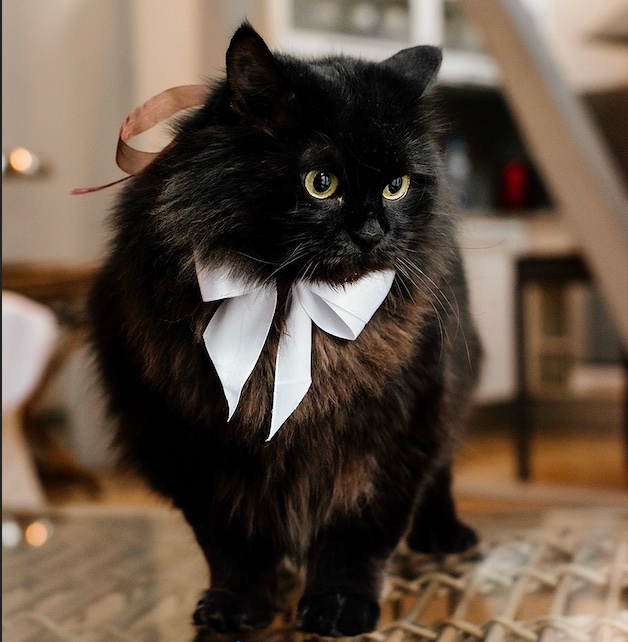
5Summary: tumour histology and cytology

All known histology and cytology reports on the neoplastic process, in one place, in order of sampling date.

Sample date Report date Material Conclusion Laboratory
25.07–28.07.2025 01.08.2025 Cytology of the tumour at the right 2nd teat (5 smears) Epithelial mammary tumour, minimal cytological malignancy ALAB
08.08.2025 (surgery) no later than the surgery Histology after total right-sided mastectomy Simple solid carcinoma, Mills grade III, narrow resection margin (~0.2 mm), foci of necrosis ALAB
04.11.2025 (surgery) 13.11.2025 Histology of the nodule at the surgical scar Benign: sterile multifocal inflammation of fat tissue, fibrosis; no neoplastic process found ALAB
29.12.2025 (surgery) 12.01.2026 Histology of the tumour behind the right scapula / axillary region High-grade simple solid carcinoma, probably an altered lymph node, lymphovascular invasion ALAB
02.03.2026 (FNA) 09.03.2026 Cytology Carcinoma of low/moderate cytological malignancy ALAB
20.03.2026 (surgery) 27.03.2026 Histology of the axillary and abdominal tumours Poorly differentiated high-grade tumour, probably solid carcinoma; resection margin multifocally involved; no vascular invasion found; exact subtype requires IHC ALAB

Conclusion: the histologically confirmed diagnosis is high-grade mammary carcinoma (Mills grade III in the first sample), with a progressive course: from an extremely narrow resection margin (~0.2 mm) in August 2025 to tumour cells histologically reaching the margins of the material in March 2026, and with lymphovascular invasion appearing by December 2025. The primary tumour (08.08.2025) and the material of 29.12.2025 were classified by the pathologist as simple solid carcinoma (rak prosty lity); the uncertainty about the subtype concerns specifically the poorly differentiated samples of 20.03.2026 — according to the report of 27.03.2026, distinguishing carcinoma, sarcoma and carcinosarcoma requires immunohistochemical staining (pancytokeratin, vimentin), which according to the documents has not been confirmed as performed. The ALVET vet explicitly described the overall prognosis as unfavourable (note of 20.03.2026).

6Surgical procedures

Date Clinic / vet Procedure Anaesthesia
08.08.2025 ALVET, dr Olga Jaworska Total right-sided mastectomy + inguinal lymph node not detailed (Sedatex among the drugs)
04.11.2025 ALVET, dr Olga Jaworska Removal of the nodule at the scar; mastectomy in the region of the 3rd–4th teat pairs; partial removal of abdominal muscles not detailed
29.12.2025 ALVET, dr Olga Jaworska Removal of the tumour on the side of the body behind the right scapula, with removal of the affected muscles dexmedetomidine, methadone, propofol, isoflurane
20.03.2026 ALVET, dr Olga Jaworska Removal of the tumour from under the right axilla and the tumour from the abdomen, with removal of part of the muscular wall isoflurane (inhalation)
25.09.2026 Retina, dr n. wet. Paweł Stefanowicz; anaesthesia — lek. wet. Maciej Rudnicki Eye surgery: corneal cross-linking (CXL) of both eyes, an antibiotic-impregnated VetFTShield72 shield, temporary closure of the eyes with third eyelid flaps methadone + dexmedetomidine IM, propofol IV, intubation, isoflurane; no complications

Each oncological operation was accompanied by histology of the removed material — see section 5. From the surgery of 29.12.2025 onwards the reports mention high grade and/or invasion; the last operation (20.03.2026) had a histologically positive resection margin.

7Chemotherapy and targeted therapy

Treatment began with carboplatin, then the drug was replaced with doxorubicin. The reason for the change is not stated explicitly in the documents — it coincides in time with the episode of severe neutropenia (08.06.2026), but there is no direct statement by the vet “we are changing the drug because of neutropenia”.

Date Drug Dose Note
18.05.2026 Carboplatin (Carboplatin Ebewe) 200 mg/m² in glucose + Cerenia 0.5 ml IV First clearly documented chemotherapy; Palladia continued in parallel
~08.06.2026 (planned) Carboplatin (repeat) — Cancelled/postponed because of severe neutropenia (WBC 2.56, Neu# 0.45)
15.06.2026 Doxorubicin (drug changed) 1 mg/kg = 2.5 ml + maropitant Doxorubicin I
06.07.2026 Doxorubicin 1 mg/kg + maropitant Doxorubicin II; a 60 ml tap of haemorrhagic fluid at the same visit
27.07.2026 Doxorubicin 1 mg/kg, 2.5 ml + maropitant Doxorubicin III
17.08.2026 Doxorubicin 1 mg/kg, 2.4 ml + maropitant Doxorubicin IV
07.09.2026 Doxorubicin 1 mg/kg, 2.3 ml + maropitant Doxorubicin V (last dose)
~28.09.2026 (planned) Doxorubicin VI — Not given: on 28.09 doxorubicin was replaced with Palladia

The intervals between doxorubicin doses were strictly 21 days (15.06→06.07→27.07→17.08→07.09) — the numbering I–V is confirmed both by the documents and by the intervals.

At the visits of 11.09.2026 (unscheduled, for malaise) and 14.09.2026 (oncology recheck) no chemotherapy was given. Keeping the 21-day interval, the next dose would have fallen on about 28.09.2026. On 21.09.2026 (oncology recheck, lek. wet. Aldona Gromny) it was recorded: “chemotherapy in a week”, i.e. dose VI was planned. On 23.09.2026 the treating vet wrote “condition not good”; chemotherapy was not discussed in that note. On 26.09.2026 the university clinic referred all questions about further chemotherapy to the lead oncologist. 28.09.2026 (lek. wet. Aldona Gromny): the owners were told of a poor prognosis and a high risk of disease progression on doxorubicin; the owner wants to try Palladia. Dose VI was not given.

Palladia (toceranib) — targeted therapy

  • 13.04.2026 — treatment started: 10 mg, 1 tablet Mon/Wed/Fri;
  • 11.05.2026 — dose increased to 15 mg, Mon/Wed/Fri;
  • from 25.05.2026 (prescribed on 18.05.2026) — dose reduced to 10 mg, Mon/Wed/Fri; the drug was given together with the first carboplatin dose of 18.05.2026;
  • 08.06.2026 — severe neutropenia found (WBC 2.56 ×10⁹/l, Neu# 0.45 ×10⁹/l), because of which the repeat carboplatin was not given;
  • after 08.06.2026 — per the owner, both carboplatin and Palladia were stopped; doxorubicin was started on 15.06.2026, and Palladia was not used after that;
  • ⚠️ The documents of 08.06.2026 record a purchase of Palladia 10 mg; however, per the owner, after the severe neutropenia was found in the same period the drug was stopped and not given again;
  • 28.09.2026 — Palladia restarted instead of doxorubicin, at the owner’s request. Blood test: leucocytosis with neutrophilia, slightly raised urea — “no contraindication to Palladia”. Regimen: 10 mg on Monday and Wednesday; if there are no side effects — 15 mg on Friday and Monday. 2 tablets of 15 mg bought. Recheck visit next week. ⚠️ Where the 10 mg dose comes from (a 15 mg tablet split, or a remaining pack of 10 mg) is not stated in the document.
  • 07.10.2026 (LoVet, dr Drewniak) — “Palladia 10 mg — a break today, give from tomorrow” (on the day creatinine jumped to 250 µmol/l). No neutropenia: neutrophils 15.08 ×10⁹/l (IDEXX), platelets 550.
  • 10.10.2026 (TENVET 24h) — in the history: “two weeks of Palladia 10 mg per cat”. ⚠️ Whether there was a switch to 15 mg Fri/Mon is not stated; there is no document of the LoVet recheck “in a week”. Haematology 10.10: neutrophils 10.43 ×10⁹/l — no neutropenia, platelets 372 ×10⁹/l.
  • 12.10.2026 (LoVet) — “received Palladia today”; another 4 tablets of 10 mg bought.
  • 16.10.2026 (LoVet, lek. wet. Joanna Żak) — dose skipped because of weakness and nausea: it was due on 16.10, the next — on Sunday 18.10 as planned. IDEXX haematology 16.10: neutrophils 11.86 ×10⁹/l — no neutropenia; platelets 840 ×10⁹/l ↑.
  • 17.10.2026 (per the owners) — Palladia given, a day earlier than the scheduled 18.10. In the owners’ observation, it is the only part of the treatment that has an effect.

8Laboratory values over time

⚠️ The LoVet in-house laboratory uses different reference ranges from IDEXX — directly comparing numbers between the two laboratory systems may be invalid. The values below are grouped by source and type.

8.1. Creatinine and azotaemia over time (all sources combined)

Date Creatinine Reference Laboratory Status
24.06.2025 159.12 µmol/l 79.56–203.32 IDEXX Normal
06.08.2025 150.28 µmol/l 79.56–203.32 IDEXX Normal (the last normal value before surgery)
31.10.2025 185.64 µmol/l 79.56–203.32 IDEXX Normal, but higher than before
20.12.2025 221 µmol/l 79.56–203.32 IDEXX Raised — the first documented episode of azotaemia
17.03.2026 212.16 µmol/l 79.56–203.32 IDEXX Raised
13.04.2026 202 µmol/l 1–168 LoVet (in-house) Raised (different laboratory reference)
27.04.2026 161 µmol/l 1–168 LoVet (in-house) Normal — normalisation
06.07.2026 136 µmol/l 1–168 LoVet (in-house) Normal
10.07.2026 107 µmol/l 1–168 LoVet (in-house) Normal
02.09.2026 120 µmol/l 1–168 LoVet (in-house) Normal
14.09.2026 126 µmol/l 1–168 LoVet (in-house) Normal
28.09.2026 152 µmol/l 1–168 LoVet (in-house) Normal, but higher than before; urea 12.0 ↑
07.10.2026 250 µmol/l 1–168 LoVet (in-house) Raised — the highest on record; urea 16.5 ↑
10.10.2026 1.8 mg/dl ≈ 159 µmol/l 0.5–2.4 mg/dl (≈ 44–212) TENVET (Seamaty) Normal; urea 68.51 mg/dl ≈ 11.4 mmol/l — near the upper limit; signs of dehydration. After SC fluids and a pause in furosemide; ⚠️ different analyser
16.10.2026 156 µmol/l 1–168 LoVet (in-house) Normal — “back to normal”; urea 23.7 ↑ — the highest on record, BUN/CRE 38

Additionally: 21.09.2026 — urinalysis: UPC 0.164 (normal), no haematuria, specific gravity 1.027 (Zakrzówek clinic); 09.02.2026 — ultrasound showed a possible small kidney stone and asymmetric kidney sizes (document not uploaded, known from the vet); 19.03.2026 — haematuria and proteinuria on urinalysis (ALAB); 24.06.2026 — irregular left kidney capsule on ultrasound; 10.07.2026 — radiopaque structures in the kidneys and bladder (not reconfirmed); 14.09.2026 — both kidneys abnormal on AFAST, irregular outline on both sides, with normal biochemistry.

8.2. LoVet in-house laboratory — haematology

Parameter Ref 08.06.26 13.06.26 06.07.26 10.07.26 03.08.26
WBC, ×10⁹/l 5.50–19.50 2.56 ↓↓ 3.53 ↓ 9.74 10.62 6.06
Neu#, ×10⁹/l 3.12–12.58 0.45 ↓↓ 1.42 ↓ 7.49 10.01 1.41 ↓
Lym#, ×10⁹/l 0.73–7.86 1.71 1.98 1.48 0.40 ↓ 4.36
Neu % — 17.4 40.0 76.9 94.3 23.3
Lym % — 66.5 56.1 15.2 3.8 71.8
RBC, ×10¹²/l 4.60–10.20 7.85 7.23 7.02 7.35 6.74
HGB, g/dl ~8.5–15.3 ~9.7 9.9 9.2 9.2 8.3 ↓
HCT, % ~26.0–54.0 ~28.9 26.7 26.1 27.2 23.5 ↓
MCV, fl ~38.0–54.0 36.8 ↓ 36.9 ↓ 37.3 ↓ 37.0 ↓ 34.9 ↓
PLT, ×10⁹/l ~100–518 ~399 699 ↑ 304 335 426

Clinical picture: 08.06.2026 — severe neutropenia (the reason chemotherapy was postponed); 06.07.2026 — white-cell values normalised; 10.07.2026 (with severe constipation and pain stress) — a classic “stress leukogram” (high Neu%, very low Lym%); 03.08.2026 — mild microcytic anaemia added to the persisting neutropenia.

8.3. LoVet in-house laboratory — biochemistry

Parameter Ref 06.07.2026 10.07.2026 02.09.2026 14.09.2026 28.09.2026 07.10.2026 16.10.2026
Total protein, g/l 57–94 74.4 72.1 72.7 73.2 69.6 81.7 78.6
Urea (BUN), mmol/l 5–11.3 11.5 ↑ 9.45 8.39 6.85 12.0 ↑ 16.5 ↑ 23.7 ↑
Creatinine, µmol/l 1–168 136 107 120 126 152 250 ↑ 156
Glucose, mmol/l 3.05–6.1 6.85 ↑ 16.47 ↑↑ 6.93 ↑ 8.55 ↑ 8.79 ↑ 10.33 ↑ 8.90 ↑
Potassium (K+), mmol/l 3–4.8 5.19 ↑ 5.04 ↑ n/a 5.14 ↑ 4.76 4.54 4.71
Phosphorus (P), mmol/l 0.8–1.9 1.26 0.62 ↓ 0.88 0.89 1.33 1.21 1.20
ALT, U/l 1–91 26 28 20 17 18 19 16
ALP, U/l 1–140 31 30 37 39 22 36 24

The full form of 16.10.2026, 12:41 — in sect. 4 (LoVet entry of 16.10.2026): urea 23.7 ↑ (the highest on record), amylase 2145 ↑, glucose 8.90 ↑, cholesterol 6.73 ↑ (for the first time); creatinine 156 — normal.

The full form of 07.10.2026, 19:52 — in sect. 4 (entry of 07.10.2026): creatinine 250 ↑, urea 16.5 ↑, amylase 2158 ↑, glucose 10.33 ↑; everything else within range. On 10.10 at TENVET (different analyser, not included in the table) — creatinine ≈ 159 µmol/l, urea ≈ 11.4 mmol/l.

The full form of 28.09.2026, 11:23 — in sect. 4 (entry of 28.09.2026). Only urea (12.0 ↑) and glucose (8.79 ↑) are outside the range; sodium 145 — at the lower limit.

The full LoVet biochemistry form of 14.09.2026, 16:18 (serum) also includes: albumin 33.0 g/l (26–46), globulins 40.2 g/l (19–66), A/G 0.8, total bilirubin 3.32 µmol/l (2–15), bile acids 5.10 µmol/l (0–15), amylase 1503 U/l (200–1800), cholesterol 4.22 mmol/l (1.8–6.5), sodium 150 mmol/l (145–158), Na/K 29, calcium 2.56 mmol/l (2.3–3), Ca×P 20. All these values are within the laboratory’s range. On 14.09.2026 only glucose (8.55 ↑) and potassium (5.14 ↑) are outside the range.

  • Potassium raised three times (06.07, 10.07 and 14.09.2026) — 5.19, 5.04 and 5.14 mmol/l with a range of 3–4.8. In July this coincided with a period of furosemide use, which usually lowers potassium; in September furosemide was used only occasionally (13–14.09). Never commented on by the vet.
  • Glucose above the range in five consecutive measurements (6.85 → 16.47 → 6.93 → 8.55 → 8.79 mmol/l). The question is closed: fructosamine of 14.09.2026 (Vetlab, form CBD8215) — 277.0 µmol/l with a range of 160.0–335.0, within normal limits. Since fructosamine reflects average glycaemia over 1–3 weeks and does not depend on stress at sampling, the raised spot glucose values should be regarded as stress-related; diabetes mellitus is excluded. This also applies to the outlier of 16.47 mmol/l on 10.07.2026, recorded on a day of severe stress, pain and sedation.
  • Glucose 16.47 mmol/l on 10.07.2026 — much higher than the other measurements; probably marked stress hyperglycaemia (that day also had severe stress, pain, a radiograph under sedation) — but a single value cannot exclude other causes.
  • Low phosphorus (0.62) on 10.07.2026 — an unusual finding given the suspected kidney problems; its clinical significance cannot be established from the documents.

8.4. IDEXX Haematology — 02.09, 07.09, 14.09, 07.10 and 16.10.2026

Between these two dates the following were noted: a decrease in RBC, HCT, HGB; a decrease in MCH; an increase in RDW; reticulocytosis; an increase in WBC, neutrophils and monocytes. The full numbers are in the original laboratory forms (Photos 011–012, 016–017); when preparing for a consultation it is advisable to check against the originals of these two reports.

The appearance of reticulocytosis should be interpreted in light of the Varenzin (molidustat) treatment started on 19.08.2026, and the iron injections (Suiferrin from 03.08.2026). This does not establish causality but is needed to assess the bone marrow’s regenerative response correctly.

Full IDEXX ProCyte Dx form of 14.09.2026, 16:14 (page 1 of 2 received; page 2 with graphs and laboratory comments not received):

Parameter Result Reference Status
RBC, ×10¹²/l 10.27 6.54–12.20 Normal
Haematocrit, l/l 0.38 0.303–0.523 Normal
Haemoglobin, g/l 114 98–162 Normal
MCV, fl 37.0 35.9–53.1 Normal (near the lower limit)
MCH, pg 11.1 11.8–17.3 Low
MCHC, g/l 300 281–358 Normal
RDW, % 31.4 15.0–27.0 High
Reticulocytes, K/µl 20.5 (0.2 %) 3.0–50.0 Normal
Reticulocyte haemoglobin, pg 13.4 13.2–20.8 Normal (near the lower limit)
WBC, ×10⁹/l 6.67 2.87–17.02 Normal
Neutrophils, ×10⁹/l 5.09 (76.4 %) 2.30–10.29 Normal
Lymphocytes, ×10⁹/l 0.83 (12.4 %) 0.92–6.88 Low
Monocytes, ×10⁹/l 0.34 (5.1 %) 0.05–0.67 Normal
Eosinophils, ×10⁹/l 0.39 (5.8 %) 0.17–1.57 Normal
Basophils, ×10⁹/l 0.02 (0.3 %) 0.01–0.26 Normal
Platelets, ×10⁹/l 700 151–600 High
MPV, fl 16.3 11.4–21.6 Normal
Plateletcrit, % 1.14 0.17–0.86 High

What follows from the 14.09.2026 form:

  • No neutropenia — neutrophils 5.09 ×10⁹/l within range on day 7 after the doxorubicin dose (07.09.2026), i.e. during the expected nadir. A notable difference from the episode of 08.06.2026.
  • The form shows no anaemia on this date: RBC, haematocrit and haemoglobin are within the IDEXX range, whereas a decrease had been noted by 07.09.2026. ⚠️ A proper comparison needs the 07.09 numbers from the original form; the “decrease” is taken from an earlier comparison, not from checked numbers.
  • Low MCH (11.1 pg) and markedly raised RDW (31.4%) persist — i.e. the anisocytosis and hypochromia have not gone away, consistent with the long-standing microcytosis (sect. 8.5) and an iron-deficiency component; reticulocyte haemoglobin near the lower limit (13.4 with 13.2–20.8) points the same way.
  • Thrombocytosis 700 ×10⁹/l with raised plateletcrit. In cats such values are more often reactive (inflammation, neoplasia, chronic blood loss), but they are not commented on in the documents. Thrombocytosis had been recorded before — 699 ×10⁹/l on 13.06.2026 at the LoVet in-house lab.
  • Lymphopenia 0.83 ×10⁹/l — expected with corticosteroids and chemotherapy.
  • The vet’s wording on the 14.09.2026 record — “CBC without significant abnormalities” — broadly matches the form, if the isolated MCH, RDW and thrombocytosis are regarded as insignificant.

IDEXX ProCyte Dx of 07.10.2026, 19:54 and 16.10.2026, 12:33 (2 pages each) — in full in sect. 4 (entries of 07.10 and 16.10). Alongside 14.09:

Parameter Reference 14.09.2026 07.10.2026 16.10.2026
RBC, ×10¹²/l 6.54–12.20 10.27 10.99 9.00
Haematocrit, l/l 0.303–0.523 0.38 0.394 0.331
Haemoglobin, g/l 98–162 114 121 98 (lower limit)
MCH, pg 11.8–17.3 11.1 ↓ 11.0 ↓ 10.9 ↓
RDW, % 15.0–27.0 31.4 ↑ 31.2 ↑ 28.9 ↑
Reticulocytes, K/µl 3.0–50.0 20.5 15.4 38.7
WBC, ×10⁹/l 2.87–17.02 6.67 17.38 ↑ 13.95
Neutrophils, ×10⁹/l 2.30–10.29 5.09 15.08 ↑ 11.86 ↑
Lymphocytes, ×10⁹/l 0.92–6.88 0.83 ↓ 1.19 1.30
Platelets, ×10⁹/l 151–600 700 ↑ 550 840 ↑

07.10 — neutrophilia on Palladia, without neutropenia; red-cell values stable. The laboratory comments directly on RDW for the first time: anisocytosis, blood smear recommended (not done). 16.10 — haemoglobin fell to the lower limit (98 g/l), haematocrit 0.331; reticulocytes rose to 38.7; platelets 840 — the highest on record; less neutrophilia than on 07.10. The laboratory’s comment on anisocytosis is repeated.

8.5. Data before chemotherapy (2025) — for reference

Date MCV MCH Comment
24.06.2025 43.9 [39.0–56.0] 13.5 [12.6–16.5] Normal — the only point without microcytosis
06.08.2025 35.7 ↓ — Mild microcytosis first visible — 2 days before the first surgery
31.10.2025 37.6 ↓ 12.0 ↓ Microcytosis persists
20.12.2025 35.6 ↓ 11.3 ↓ Microcytosis persists

Mild microcytosis (MCV below the range) was first documented on 06.08.2025 — i.e. before the first surgery on 08.08.2025, and then persisted in almost all subsequent tests throughout the history. This matters for the timeline of causes: the microcytosis precedes surgery and chemotherapy rather than resulting from them.

9Medication — summary table

Drug Period / start date Comment
Carboplatin (Carboplatin Ebewe) 18.05.2026 (single dose) Chemotherapy, 200 mg/m² in glucose; repeat dose cancelled because of neutropenia
Doxorubicin 15.06.2026 – 07.09.2026, every 21 days Chemotherapy, 1 mg/kg; 5 doses given. Replaced with Palladia on 28.09.2026, dose VI not given
Palladia (toceranib) 13.04.2026 – 08.06.2026; again from 28.09.2026 28.09.2026: 10 mg Mon/Wed, if no side effects — 15 mg Fri/Mon; recheck in a week. 07.10.2026 — one-day pause, then 10 mg again. 10.10.2026 (TENVET history): “two weeks, 10 mg per cat”; no neutropenia. Earlier: 10 mg → 15 mg (11.05) → 10 mg (from 25.05), Mon/Wed/Fri; given together with the first carboplatin dose on 18.05.2026. After the severe neutropenia of 08.06.2026, per the owner, both carboplatin and Palladia were stopped; doxorubicin started on 15.06, after which Palladia was not used. ⚠️ The purchase of Palladia 10 mg on 08.06 confirms the drug in the documents but does not prove it was actually given afterwards. 12.10.2026 — given, another 4 tablets of 10 mg bought. 16.10.2026 — dose skipped because of weakness and nausea; the next was due on 18.10; per the owners, given on 17.10 — in their observation, only Palladia works; neutrophils 11.86, platelets 840 ↑.
Prednicortone / prednisolone from ~27.04.2026 5 mg/day → 7.5 mg (1.5 tablets) from 15.06 → 5 mg from 17.08 → 3/4 tablet from 07.09.2026 → again 1 whole tablet (5 mg) from 11.09.2026 → again 3/4 tablet from 21.09.2026 → from 28.09.2026 — 3/4 tablet alternating with 1 tablet, once daily (10 tablets bought). The dose reduction in August–September was partly on the ophthalmologist’s recommendation; the return to 5 mg on 11.09 is not linked to the eye problem in the documents. On 23.09.2026 the LoVet vet considered that the reduction on 21.09 may have increased fluid accumulation in the chest, but noted the steroid’s harm to the stomach; the ophthalmologist on the same day named steroid therapy as a factor reducing the chance of surgical success. 12.10 — another 10 tablets bought, regimen unchanged. 16.10 at 18:40 the owner gave Prednicortone because of rapid breathing (whether this was the scheduled dose is not stated).
Furosemide 29.04.2026 – 27.07.2026; ⚠️ resumed 13–14.09.2026 Used for episodes of rapid breathing/pleural effusion. Was considered completely stopped from 27.07.2026 — this statement is no longer valid: the note of 14.09.2026 records per the owner “furosemide 10 mg, 1/4 tablet given”, as needed. 27.09 given by the owners; 28.09 — 1 mg/kg SC at the clinic, in the evening — as a tablet as recommended by dr Drewniak. Until 03.10 — 5 mg once daily in the morning; from 04.10 — 1/2 tablet twice daily (on 05.10, per the owners, the morning dose “didn’t work”); 05.10 — 3/4 tablet of Furosoral 10 mg three times daily (~22.5 mg/day); 07.10 (creatinine 250): none on 08.10, from 09.10 — 3/4 tablet twice daily. 10.10 — “at a low dose”, the last at home at about 01:00; in the morning at TENVET given at a maintenance dose as prescribed by the primary vet. Earlier the documents mention Libeo/Furosoral/furosemide at doses varied according to breathing and the volume of pleural effusion. 12.10 — 3/4 tablet twice daily (on 09.10 the owner tried 1/4 tablet; 40 tablets of Furosoral 10 mg bought). 16.10 (LoVet) — reduced to 1/2 tablet twice daily; if breathing speeds up worryingly — back to 3/4 tablet twice daily and an ultrasound. On the evening of 16.10 — RR 44–46/min and a ~140 ml thoracocentesis at TENVET. Per the owners, as of 18.10 — back to 3/4 tablet.
Gabapentin 100 mg from 13.06.2026 (formalised) Initially — 2 hours before stressful clinic visits. Per the note of 11.09.2026 it is already used continuously: half a capsule once daily. ⚠️ The ophthalmologist’s note of 10.09.2026 gives pregabalin instead of gabapentin — which of the two is actually given cannot be resolved from the documents
Bonqat 50 mg/ml (pregabalin, veterinary, for cats) 07.10.2026 Dispensed/used at LoVet — 0.4 pack (usually for stress before visits). ⚠️ Whether it replaces gabapentin is not stated. 15.10.2026 — at a reduced dose before suture removal at Retina.
Nefrokrill Gatto from 07.10.2026 Feed supplement for renal support; 10 capsules dispensed for home after the creatinine jump
Cyklonamina 250 mg (etamsylate) from 11.05.2026 1/4 tablet twice daily. 10.10.2026 the tablet could not be given at home — at TENVET Cyclonamine 12.5% was given by injection, 1 ampoule. 12.10.2026 — injectable form dispensed (Cyclonamina 12.5%, 25 mg/2 ml) — 2 ampoules; who gives it at home and how is not stated.
Cerenia, maropitant accompanies chemotherapy Antiemetic with chemotherapy
Veraflox from ~08.06.2026, later for eye signs Antibiotic
Varenzin 23.3 mg/ml (molidustat) 19.08.2026 – 07.09.2026 1 ml once daily. An anti-anaemic drug increasing endogenous erythropoietin production; authorised for non-regenerative anaemia associated with CKD in cats. The vet did not state a reason for prescribing it; stopped on 07.09.2026
Famogast/Ranigast (famotidine) 19.08.2026; 21.09.2026 19.08 — 20 mg, regimen not described. 21.09 — 1/4 tablet twice daily as part of the treatment of gastritis. ⚠️ Not mentioned in the prescriptions of 23.09.2026
Helicid 20 mg (omeprazole) from 23.09.2026 1/4 capsule twice daily with food. ⚠️ Whether it replaces famotidine or is added to it is not stated
No-spa (drotaverine) injections 21.09.2026 1–2× daily SC for gastritis; given at home on 21.09 at 10:00. 23.09 — per the owner, not helping
Mirataz 20 mg/g (mirtazapine, transdermal ointment) 23.09.2026; 26.09.2026; 07.10.2026 Applied at the clinic on 23.09 and 26.09; 27.09 — a spare dose at about 16:00 because of no appetite. Appetite stimulant. ⚠️ Per the history of 14.09.2026, mirtazapine had previously caused constipation; the further regimen and what happened to Peritol are not stated in the document. 12.10.2026 — another 0.5 pack dispensed.
Suiferrin (iron) from 03.08.2026 0.3 ml IM; linked in time to laboratory signs of anaemia
Sucralfate from 23.06.2026, long-term Including 7 doses on 03.08.2026. 23.09.2026 — 1 ml twice daily 30 minutes before food
Dicopeg, Fiberactiv 10.07.2026; Dicopeg also 03.10 and 12–14.10.2026 Laxatives/fibre for constipation. 16.10.2026 — Dicopeg recommended again together with Dulcobis
Dulcobis (bisacodyl) recommended 16.10.2026 Laxative for constipation (16.10 — hard faeces in the rectum); TENVET history of 16.10 — “a suppository was given”, after which she passed stool
Metoclopramide (Metoclopramidum 5 mg/ml) 16.10.2026 0.25 mg/kg SC at the clinic for nausea and difficulty swallowing; on 05.10 it was suggested as the next step if Zofran did not help
Comfortan 10 mg/ml (methadone) 10.07.2026; 07.10.2026 Opioid analgesic; used as part of drug support for an examination/sedation
Propomitor 10 mg/ml (propofol) 06.07.2026 (single) Intravenous drug for induction/maintenance of general anaesthesia
Libeo 10 mg (furosemide) from 29.04.2026; actually stopped from 27.07.2026 1/2 tablet in the morning = 5 mg furosemide. The authorised target species is dogs; used off-label in Varia
Neoplazmaxan ~02.02.2026 Composition and exact purpose not established from the documents
Apoquel (oclacitinib) until 13.04.2026 A JAK inhibitor with antipruritic and anti-allergic action; use documented before the first LoVet consultation. Reason and regimen not specified in the available documents
Carobin Pet Forte 18.05.2026 A gastro-intestinal dietary paste (complementary feed) for acute diarrhoea; prescribed “just in case”
Sustain 11.2025 Probiotic for episodes of soft stool
Biotrakson, Tolfine/Tolfedine, Ceporex, Marbocyl 04.11.2025, 20.03.2026 Antibiotics/analgesia with surgery
Bupredine, Bunondol 20.03.2026 Post-operative analgesia
Sedatex 08.08.2025 Probably sedation for premedication before the first surgery
Beta-glucan ~25.08.2026 Immunomodulator on the ophthalmologist’s recommendation
Bupredine / Bunondol (buprenorphine) from 11.09.2026, continuously Opioid analgesic. 11.09: 1 syringe on the gum or cheek mucosa twice daily. 14.09: every 12 hours, the record explicitly states the purpose “for the eyes!” — i.e. analgesia for eye pain. ⚠️ Per the history of 14.09 the owner had not given opioids in the preceding days. 21.09 — per the owner, works for about 1 hour. 23.09: 0.05 ml transmucosally, to effect, maximum 0.15 ml, every 8 hours; the vet warns that higher opioid doses may worsen breathing. 26.09 (university clinic): Bupaq Multidose (buprenorphine), diluted, at a low analgesic dose — twice daily on 27.09 and on the morning of 28.09. 28.09 LoVet: “analgesia — as recommended”
Butorphanol (Torphadine, Butomidor) 26.09.2026; 28.09.2026; 10.10.2026 Opioid IV before thoracocentesis (26.09 — 0.1 mg/kg). 10.10 (TENVET) — Butomidor 0.1 ml IM at a low dose at night and 0.1 ml in the morning. 16.10 (TENVET) — Butomidor 0.2 ml before thoracocentesis.
Convenia (cefovecin, long-acting antibiotic) 05.10.2026 0.45 ml, listed twice; recommendation — “SC for 2 weeks”; prescribed with a temperature of 39.0 °C. 12.10.2026 — whether to repeat to be decided at the recheck next week.
Elura (capromorelin) recommended 05.10.2026 Appetite stimulant — “to be ordered”; whether it was started is not stated
Gastrovom 05.10.2026 Alternative if sucralfate 2–3× daily cannot be given: Gastrovom in the morning, sucralfate at night
Clamoxyl L.A. (long-acting amoxicillin) from 28.09.2026 Antibiotic SC with leucocytosis and neutrophilia; repeat at the clinic on Wednesday 30.09
Ventolin (salbutamol) 26.09.2026 2 puffs at the clinic
Linco-Spectin (lincomycin + spectinomycin) 25.09.2026 1 ml, antibiotic during surgery
Anaesthesia 25.09.2026 25.09.2026 Insistor (methadone) 0.1 ml, Dexdomitor (dexmedetomidine) 0.1 ml, Plofed 1% (propofol) 0.5 ml, isoflurane, lidocaine 2% 1 ampoule, Ringer’s 3 ml/kg/h; Cerenia 0.45 ml after surgery
Optilyte (multi-electrolyte solution) SC 26.09.2026; 28.09.2026; 07.10.2026 Subcutaneous fluids; on 28.09 and 07.10 — 100 ml each
IV infusion, oxygen cage 10.10.2026 TENVET: a night in an oxygen cage; in the morning IV infusion at a very low rate — 1 ml/h (dehydration with pleural effusion)
Gastrovom cane e gatto from 11.09.2026 1 sachet a day; gastrointestinal support, continued on 14.09
Peritol 4 mg (cyproheptadine) from 14.09.2026 1/4 tablet twice daily as an appetite stimulant. Per the history of 14.09, mirtazapine had been used for the same purpose but caused constipation
Cerenia 60 mg tablets (maropitant) from 14.09.2026, continuously 1/8 tablet/day as a continuous antiemetic — unlike the earlier use of maropitant only on chemotherapy days. From 21.09 — once daily SC (injectable form). 23.09 — per the owner, not working
Zofran (ondansetron) 11.09.2026; 23.09.2026; 07.10.2026 Given by the owner for signs of nausea (11.09 — the cat was licking her lips; 23.09 — “not working”). On 07.10 LoVet dispensed Zofran 4 mg — 5 tablets; regimen not described in the documents. 12.10.2026 — 10 tablets of 4 mg dispensed; per the owners, twice daily — helps. 16.10 before dawn — 2 mg for nausea.
Acatavir (ophthalmic) from 10.09.2026 4× daily, first in the drop regimen. A topical antiviral; prescribed after the suggestion of possible FHV1 carriage. ⚠️ The active substance is not stated in the medical record — check on the package
Bandage contact lenses fitted 10.09.2026 Therapeutic lenses on both eyes (“SZKŁO KONTAKTOWE 2”) for extensive corneal epithelial defects. 21.09.2026 — the left lens fell out, a new one fitted; on 23.09.2026 the left lens is again recorded as “fallen out”
Vigamox 0.5% (moxifloxacin, eye drops) from 21.09.2026 4× daily, third in the regimen after Acatavir and Tobrex; added for thick greenish discharge, with a bacterial culture taken at the same time
Optixcare, Corneregel, Tobrex, Yellox, Vital Drop, Dexoftyal gel, allogeneic serum/plasma with EDTA from 17.08.2026 Ophthalmic regimen — see section 10. From 10.09.2026 the regimen is set as a strict sequence with intervals between drugs
Regimen after the surgery of 25.09.2026 from 25.09.2026 Both eyes, ≥2 min apart: EMS (Eye Support) 1 drop every 2 days, Acatavir, Tobrex, Vigamox, Vital Drop, Dexoftyal — 4× daily each; last, after ≥15 min — serum with Optixcare 4× daily. Corneregel and separate Optixcare dropped from the regimen. Corneas covered with a VetShield Collagen 72 shield
Regimen after suture removal on 15.10.2026 from 15.10.2026 Both eyes: Vigamox 4× daily until the recheck; after 3 min — Vital Drop 3× daily until the bottle is finished; after 15 min — serum with Optixcare 4× daily (in the fridge) until the vial is finished; after 3 min — Optixcare 4× daily long-term. Acatavir, Tobrex and EMS dropped from the regimen. If the eyes stay good — target treatment: Dexoftyal 3× daily and after 3–5 min Optixcare gel 4× daily

For Neoplazmaxan and Sedatex the exact composition/role cannot be reliably established from the available documents. For Apoquel (oclacitinib), Libeo (furosemide), Varenzin (molidustat) and Propomitor (propofol) the active substances are unambiguously identified from official product information; the specific clinical reason for prescribing them to Varia is given only where it follows directly from the medical record.

10Ophthalmic history

Date Event
~27.04–15.06.2026 Prednisolone 5 mg/day, no eye complaints recorded yet
~09.08.2026 Onset of nasal discharge/discharge (per the owner)
~11.08.2026 Onset of tearing; Veraflox started
17.08.2026 (LoVet) Extensive corneal ulcers/erosions of both eyes found for the first time (fluorescein +++). Tobrex, Yellox, Corneregel started. Ophthalmology consultation recommended
18.08.2026 (Retina, dr Stefanowicz) 1st visit: diagnosis — superficial corneal epithelial abrasion of both eyes with dry eye syndrome (ZSO). Possible causes: condition, age, corticosteroids/chemotherapy, possible FHV1 carriage. Steroid dose reduction and beta-glucan recommended
25.08.2026 (Retina, dr Chybowska) 2nd visit: epithelial abrasion, improvement in discharge and hydration compared with 18.08; “we are intensifying treatment”. Optixcare EMS and allogeneic serum/plasma added; intervals 2–15 min. No area percentages and no conclusion of deterioration (⚠️ corrected 24.09.2026)
03.09.2026 (Retina, dr Chybowska) 3rd visit: subjectively slightly better, but objectively — worse despite intensive treatment: the defects have merged, OD ~70%, OS ~80% (first numerical estimate). Vital Drop added. A request to the oncologist to replace the steroid if safe
07.09.2026 (LoVet) “Not getting worse, but not better either”; receiving drops with serum; opens her eyes, but pain persists
10.09.2026 (Retina, dr Stefanowicz) 4th visit: worse despite intensive treatment; epithelial defect ~70% of the surface on both sides, geographic. Neuro-ophthalmic responses (menace, dazzle, PLR) preserved. Bandage contact lenses fitted on both eyes, the antiviral Acatavir prescribed for the first time. The drop regimen set as a strict sequence with intervals. Recheck within 14 days
11.09.2026 (LoVet) Per the owner — eye discomfort persists, receiving drops and the lens
14.09.2026 (LoVet) Bunondol (buprenorphine) prescribed every 12 hours with the explicit note “for the eyes!” — i.e. eye pain is judged to need continuous opioid analgesia
13.09–16.09.2026 (per the owner) From 13.09 the drops are given per the 10.09 regimen keeping the intervals between drugs (previously the intervals were not kept). By 16.09, after three days of correct use, the owner notes improvement. No medical document, no examination after 10.09.2026
21.09.2026 (LoVet, per the owner) “Still suffering with the eye”; after the serum is instilled the eyes get worse and the pain increases; buprenorphine works for about an hour
21.09.2026 (Retina, lek. wet. Chybowska) 5th visit: worse — conjunctival hyperaemia, thick greenish discharge (culture taken), deep vascularisation 2–3 mm, leucocyte infiltrate, endothelial precipitates. The left lens has fallen out — a new one fitted. Vigamox added. Per the owners: improvement in the first week after the lenses, then deterioration after a new batch of serum
23.09.2026 (Retina, lek. wet. Chybowska) 6th visit: worse despite intensive treatment. Epithelial defect ~70% on both sides, geographic; deep perilimbal vascularisation of 4 mm, keratomalacia of both eyes, endothelial precipitates, conjunctival hyperaemia, thick greenish discharge. The left lens again recorded as fallen out. Vascularisation — up to 4 mm. Visual responses preserved. Urgent surgery recommended: cross-linking + ACell Vet + tarsorrhaphy, chance of success ~60% (limited by steroids and impaired hydration); without surgery the prognosis is from very guarded to poor, enucleation possible; alternative if the decision is postponed — UV-C
23.09.2026 (LoVet, lek. wet. Szaflik) Per the owner — the eyes are very painful. Vet: eye surgery is only possible with 24-hour hospitalisation, high risk
25.09.2026 (Retina, dr Stefanowicz) Surgery: chronic inflammation and ulceration of the corneas of both eyes, early keratomalacia, leucocyte infiltration of the stroma. Cross-linking (CXL) of both eyes, antibiotic-impregnated VetFTShield72 shield, eyes closed with third eyelid flaps. Anaesthesia without complications. Prognosis guarded: the surgery does not guarantee a cure but gives a chance to stop the destruction of the stroma. New regimen: EMS every 2 days, Acatavir, Tobrex, Vigamox, Vital Drop, Dexoftyal 4× daily, serum with Optixcare 4× daily. Collar. Suture removal in 14–21 days
26.09.2026 (university clinic) Eyes closed after surgery; drops — per the Retina regimen; collar
10.10.2026 (TENVET 24h) Third eyelid flaps on both sides, receiving Tobrex; the eyes were not examined
15.10.2026 (Retina, lek. wet. Chybowska) Recheck and suture removal. No purulent discharge, the sutures held well; corneal clarity improved; IOP 13 (OD) / 14 (OS) mmHg; no squinting, no discomfort; menace and dazzle responses preserved on both sides. Regimen simplified: Vigamox 4× daily, Vital Drop 3× daily, serum with Optixcare 4× daily, Optixcare 4× daily long-term; if the eyes stay good — Dexoftyal 3× daily + Optixcare gel. Recheck within 14 days. Before the visit — Bonqat at a reduced dose

Summary as of 15.10.2026: 20 days after surgery the sutures have been removed; the corneas are clearer, there is no inflammation or discomfort, visual responses are preserved, IOP normal. Acatavir, Tobrex and EMS stopped; a switch to Dexoftyal and Optixcare gel is planned. Next recheck at Retina — within 14 days (by ~29.10). Page 2 of the 15.10 record not received; the result of the 21.09 culture still not received.

Summary as of 10.10.2026: third eyelid flaps still in place; no post-operative ophthalmology examination in the documents.

Summary as of 28.09.2026: on 25.09 surgery was performed — cross-linking of both corneas, an antibiotic-impregnated collagen shield, temporary closure of the eyes with third eyelid flaps. Prognosis guarded. Until the sutures are removed (≈ 09–16.10.2026) the eyes are closed and cannot be assessed objectively; warning signs — a change in the shape or size of the eye on palpation through the lids, loosening or breaking of the sutures.

Summary as of 23.09.2026 (before surgery): a bilateral corneal epithelial defect with dry eye syndrome, not healing since 17.08.2026 — more than five weeks — progressed to keratomalacia (stromal involvement) with deep vascularisation and signs of secondary inflammation/infection. Treatment was escalated step by step — bandage lenses, an antiviral, continuous opioid analgesia, actually keeping the intervals between drops from 13.09 (prescribed since 18.08), adding Vigamox and taking a culture on 21.09 — without effect. The ophthalmologist recommends surgery; visual responses were still preserved on 23.09.

⚠️ The numerical estimates of the defect area by visit — 70%/80% (03.09), 70%/70% (10.09), 70%/70% (21.09), 70%/70% (23.09) — should not be read as measurements: the figures do not grow, while the conclusion of all four documents is “worse, larger areas of epithelial defect”. On 18.08 and 25.08 no percentages were given at all. On 23.09 the deterioration shows primarily not in area but in the depth of the lesion (keratomalacia). Judging the course requires a comparable assessment method or photographs.

⚠️ The Yellox (bromfenac) question. The drug was prescribed by LoVet on 17.08.2026, when the corneal ulcers were found. It does not appear in the Retina ophthalmologist’s regimens at any visit from 18.08 to 23.09.2026 — those list Acatavir, Tobrex, Vital Drop, Corneregel, Optixcare and allogeneic serum. Per the owner, Yellox is not used regularly: on 13.09.2026 it was given once, as a trial — this is the episode reflected in the history of 14.09.2026 (“on Sunday after Yellox better”). ⚠️ At the same time the LoVet prescription of 17.08.2026 implied Yellox twice daily; the discrepancy between the prescribed and actual regimen is not recorded in any document, and no decision to stop the drug is documented anywhere.

This is worth discussing with the vets for two reasons. First, topical NSAIDs are generally used with caution or avoided with a corneal epithelial defect, as they can slow epithelialisation — so not actually using Yellox may have been beneficial, but this should be a deliberate decision by a vet, not a consequence of a discrepancy between two clinics’ regimens. Second, on reading the LoVet record Yellox is listed as a current prescription, and a vet may assume the cat is receiving it.

⚠️ It deserves separate attention that the corticosteroid dose — one of the factors discussed by the ophthalmologist — was raised back to 5 mg/day on 11.09.2026, the day after the visit that recorded the corneal deterioration. The documents do not link these two decisions.

11Cardiology

The only documented cardiology consultation — 26.08.2026, ALPHAVET, Dr Paweł Łyp: echocardiography without signs of hypertrophic cardiomyopathy; an incidental ~0.9×0.7 cm mass at the heart apex/in the mediastinum with a cyst inside (nature not determined, no follow-up traceable in the documents); blood pressure 155 mmHg; no contraindication to continuing chemotherapy found.

The reference to a “cardiology visit on 02.09.2026” in the ophthalmologist’s note of 03.09.2026 is not supported by a separate document. Likewise, the history of the LoVet visit of 14.09.2026 records per the owner “the cardiology examination was fine”, but there is no document of a cardiology consultation after 26.08.2026 either. Both mentions may refer to the same consultation of 26.08.2026 — see section 15.

12GI tract and urinary system

10.07.2026 — severe constipation (the cat had passed almost no stool since 06.07.2026); radiograph — large faecal masses in the colon, dilated colon (“potentially leading to megacolon”), and radiopaque structures in the kidneys and bladder (possible calculi — not confirmed by further tests). Lactulose, Fiberactiv, Dicopeg prescribed. The subsequent course (whether the constipation resolved, whether there was a repeat ultrasound/radiograph of the kidneys) cannot be traced in the documents — the recheck of 13.07.2026 was not uploaded.

14.09.2026 — AFAST describes for the first time: hypoechoic pancreas and mild signs of gastritis; no free fluid in the abdomen. Clinically, these days show persistently reduced appetite, nausea and discomfort, for which a continuous antiemetic (Cerenia 60 mg 1/8 tablet/day) and an appetite stimulant (Peritol) were prescribed. ⚠️ The pancreatic finding is not commented on separately: pancreatitis-specific tests (fPLI/Spec fPL) were not performed, amylase on 14.09.2026 is normal (1503 U/l with 200–1800), but in cats amylase is unsuitable for diagnosing pancreatitis. Stools on 14.09.2026 regular; mirtazapine, previously used to stimulate appetite, had caused constipation — which is why Peritol was chosen for the same purpose.

21.09.2026 — AFAST shows signs of gastritis (“cechy zapalenia żołądka”): a distinct muscular layer of the stomach wall, gas, hyperechoic surrounding fat. Pancreas: left lobe homogeneous, not enlarged, no focal changes; right lobe slightly hypoechoic. fPL planned for the next visit. Treatment of gastritis started: No-spa SC, Cerenia SC, Ranigast.

23.09.2026 — per the owner, for a week eating about 1 teaspoon of food a day and not drinking (does not drink on her own — the owners give water by syringe; ⚠️ per the owner’s clarification — an exaggerated phrase, the actual amount was not measured; she ate in the evening after Mirataz); nausea and retching are not controlled by Cerenia, ondansetron or No-spa. Ultrasound: stomach empty, increased echogenicity of the fat around the stomach, reactive lymph nodes, pancreatic region normal, no free fluid. Vet: “not responding to the treatment of gastritis”. Sucralfate and omeprazole (Helicid) prescribed, Mirataz applied at the clinic; in the inpatient option the vet mentions feeding via a nasal tube. ⚠️ No fPL result in the 23.09 document.

25–28.09.2026 — the Retina anaesthesia record of 25.09: “gastritis / pancreatitis”. Retina notes that the cat is being assist-fed. 26.09 — does not want to eat; abdomen slightly painful on palpation, no free fluid in the abdomen; urinated. 28.09 — no appetite in the morning; stomach treatment “unchanged”. Biochemistry 28.09: urea 12.0 mmol/l (↑), creatinine 152 µmol/l (normal, but higher than 126 on 14.09), amylase 1509 U/l — normal. ⚠️ fPL still not done.

05.10.2026 (LoVet) — eating a little but with interest; nausea — Cerenia daily, Zofran; sucralfate; Helicid since 01.10; 03.10 — constipation (Dicopeg). Ultrasound: stomach empty, muscular layer of the wall slightly thickened, wall 2 mm. Prescribed Zofran 1/2 tablet three times daily (if ineffective — metoclopramide), sucralfate 2–3× daily or Gastrovom + sucralfate at night; Elura (capromorelin) for appetite. Per the owners, on 04–05.10 — little urine despite furosemide and plenty of drinking.

07.10.2026 (LoVet) — weight 4.19 kg; jump in renal values (creatinine 250, urea 16.5); amylase 2158 U/l (↑, above the range for the first time). SC fluids 100 ml, Nefrokrill Gatto; Mirataz, Zofran and the Moonlight treat paste dispensed. ⚠️ fPL still not done.

10.10.2026 (TENVET 24h) — appetite: only licked the sauce; no thirst; urinating; no stool. Abdomen soft, non-painful. Signs of dehydration on the tests (RBC, haemoglobin above the range); creatinine ≈ 159 µmol/l and urea ≈ 11.4 mmol/l — within the TENVET range. Infusion 1 ml/h.

12.10.2026 (LoVet) — eating a little: the owner cooks tuna, liver, chicken; drinks on her own morning and evening; Zofran twice daily — helps. Dicopeg from Monday to Wednesday (12–14.10).

16.10.2026 (LoVet) — nausea before dawn, difficulty swallowing, lip-licking (Zofran 2 mg); ate and drank in the morning, but weaker. Urinated a lot overnight, did not urinate in the litter box in the morning. Last stool 14.10 — small, fairly soft and moist. Abdomen soft, a lot of faeces in the rectum, rectally — hard faeces (constipation). Metoclopramide SC; Dicopeg and Dulcobis recommended; the Palladia dose skipped. Urea 23.7 mmol/l (the highest) with creatinine 156 (normal), BUN/CRE 38; amylase 2145 ↑; liver values normal. In the evening at TENVET: after the drugs for constipation she passed stool, but breathing worsened — thoracocentesis ~140 ml. ⚠️ fPL still not done.

Separately — 02–04.03.2026, the radiographs themselves were received (without a vet’s report), showing a large heterogeneous structure in the abdominal/lumbar region — they need to be read by a radiologist (see section 4 and section 15).

13Liver and kidneys — summary of findings

  • 24.06.2026: a single focal change in the liver parenchyma and a left kidney with an irregular (“furrowed”) capsule described for the first time. Biochemistry was not run that day because of marked lipaemia.
  • 02.09.2026: biochemistry (including renal and hepatic values) — within range. No direct link between the 24.06 finding and the 02.09 biochemistry can be drawn from the documents (no follow-up ultrasound of the liver/kidneys was done between these dates).
  • 14.09.2026: AFAST — both kidneys abnormal, irregular outline. This extends the finding of 24.06.2026, when only the left kidney with an irregular (“furrowed”) capsule was described. At the same time the biochemistry of the same date is normal: creatinine 126 µmol/l, urea 6.85 mmol/l, phosphorus 0.89 mmol/l. ⚠️ The discrepancy between structural changes in both kidneys and normal function is not commented on by the vet; the liver is not mentioned separately in the AFAST description of 14.09.2026, so what happened to the focal parenchymal change of 24.06.2026 remains untraced.
  • 21.09.2026 (Zakrzówek clinic): urinalysis — protein 0.3 g/l (+), but UPC 0.164 — no proteinuria; no haematuria or crystals; specific gravity 1.027. Compared with 19.03.2026 (haematuria and proteinuria) — normalisation. ⚠️ Specific gravity below ~1.035, which usually reflects good concentrating ability in cats (sect. 4).
  • 28.09.2026: urea 12.0 mmol/l (↑, range 5–11.3), creatinine 152 µmol/l (range 1–168; 14.09 — 126); liver values (ALT, ALP, bilirubin, bile acids) normal. With poor drinking, furosemide and taps, a prerenal component is likely; worth repeating after rehydration — especially as Palladia has been started.
  • 05.10.2026 (LoVet, ultrasound): in the liver — a 0.78 × 0.65 cm heterogeneous lesion, “possible metastasis”. This is the first description of a liver lesion since 24.06.2026; they can only be compared using the images. Per the owners, on 04–05.10 little urine despite furosemide; furosemide increased to 3/4 tablet three times daily.
  • 07.10.2026 (LoVet): creatinine 250 µmol/l (↑) and urea 16.5 mmol/l (↑) — the highest creatinine on record (the previous — 221 µmol/l on 20.12.2025, IDEXX); BUN/CRE 16; phosphorus 1.21 and potassium 4.54 — normal; liver values normal. Vet: “jump in renal values”; SC fluids, a day without furosemide, a one-day pause in Palladia, Nefrokrill Gatto, recheck on Saturday.
  • 10.10.2026 (TENVET 24h): creatinine 1.8 mg/dl (≈ 159 µmol/l) and urea 68.51 mg/dl (≈ 11.4 mmol/l) — within the TENVET range, at the 28.09 level; ALT 21, ALP 45, albumin 33 — normal. Vet: “renal values normal, signs of dehydration”. ⚠️ Three days earlier, on 07.10 at LoVet, — creatinine 250 and urea 16.5 (↑); the fall came after SC fluids and a pause in furosemide; different analysers and ranges.
  • 16.10.2026 (LoVet): creatinine 156 µmol/l — within range (“back to normal”); urea 23.7 mmol/l (↑) — the highest on record, BUN/CRE 38 (07.10 — 16); phosphorus 1.20, potassium 4.71 — normal; liver values (ALT 16, ALP 24, bilirubin 5.13, bile acids 7.27) normal. ⚠️ The rise in urea with falling creatinine is not commented on by the vet; the documents say nothing about the liver lesion after 05.10.
  • The full course of creatinine and azotaemia — section 8.1.

14Status as of the latest documented date (16.10.2026)

  • General condition (per the owners, 17–18.10): after the 16.10 tap, furosemide and Palladia — RR 26–28 while awake; eating, drinking, urinating and defecating.
  • General condition per the documents: 12.10 — slightly better, interested in her surroundings, jumping, RR at home up to 30. Morning of 16.10 — weakness, nausea, difficulty swallowing, constipation; temperature 38.2 °C, lymph nodes not enlarged, auscultation — no significant changes; RR at home 32–34, thoracic breathing. Evening of 16.10 — RR up to 40, at 18:40 — 44–46/min; TENVET 24h: about an hour in an oxygen cage, thoracocentesis, discharged home. TENVET prognosis of 10.10 — guarded (including a risk of pulmonary thromboembolism); on 07.10 the LoVet oncologist reported a poor prognosis.
  • Pleural effusion: 26.09 — 128 ml; 28.09 — 50 ml on the right; 07.10 — 100 ml on the right; 10.10 — 120 ml; 16.10 — ~140 ml (60 ml right, 80 ml left), haemorrhagic fluid. 12.10 on LoVet ultrasound — fluid 1.6–2 cm. Per the 25.09 anaesthesia record — also a tap on 24.09 (no document). Threshold for an urgent visit — RR 40/min or more, open-mouth breathing, marked weakness.
  • Next step: LoVet recheck “next week” (recommendation of 12.10) with a decision on repeating Convenia; agree the day of the next Palladia dose (last given 17.10); Retina recheck — by ~29.10.
  • Eyes: 15.10 at Retina — sutures removed; corneas clearer, IOP 13 / 14 mmHg, no discomfort, menace and dazzle responses preserved. Drops: Vigamox 4× daily, Vital Drop 3× daily, serum with Optixcare 4× daily, Optixcare 4× daily. The 21.09 culture result not received.
  • GI and nutrition: eating a little, home-cooked food (tuna, liver, chicken); drinks on her own morning and evening. 16.10 — nausea (Zofran, metoclopramide SC), constipation — Dicopeg and Dulcobis. 18.10, per the owners: eating, drinking, urinating and defecating.
  • Oncology: doxorubicin stopped after dose V (07.09.2026); from 28.09.2026 — Palladia 10 mg, every other day from 05.10; 07.10 — one-day pause; 16.10 — dose skipped, given on 17.10 (per the owners; in their observation, it is the only part of the treatment that works). 05.10 — 0.78 × 0.65 cm liver lesion, “possible metastasis”; chest ultrasound — “worse picture”, right lung collapse. 26.09 — ~1 × 1.5 cm mass in the thorax; 21.09 — 0.46 cm subcutaneous mass in the abdominal region.
  • Latest tests — 16.10.2026 (LoVet + IDEXX): creatinine 156 (normal), urea 23.7 ↑ (the highest), BUN/CRE 38; amylase 2145 ↑, glucose 8.90 ↑, cholesterol 6.73 ↑; potassium 4.71, sodium 148, phosphorus 1.20; liver values normal. WBC 13.95, neutrophils 11.86 ↑, lymphocytes 1.30; haemoglobin 98 g/l (lower limit), haematocrit 0.331, RBC 9.00; reticulocytes 38.7; MCH 10.9 ↓, RDW 28.9 ↑; platelets 840 ↑.
  • Previous tests: 10.10 (TENVET) — creatinine ≈ 159, urea ≈ 11.4, signs of dehydration (RBC 13.31 ↑, Hb 16.2 ↑), lymphocytes 0.44 ↓, chloride 106.8 ↓, lactate 2.47 ↑. 07.10 (LoVet) — creatinine 250 ↑, urea 16.5 ↑; IDEXX — neutrophils 15.08 ↑, haemoglobin 121.
  • Furosemide: from 09.10 — 3/4 tablet twice daily (on 09.10 the owner tried 1/4 tablet); morning of 16.10 — reduced to 1/2 tablet twice daily, if breathing speeds up — back to 3/4 tablet and an ultrasound; that evening — a ~140 ml tap. Per the owners, as of 18.10 — back to 3/4 tablet.
  • Steroid: latest prescription — 28.09.2026: 3/4 tablet alternating with 1 tablet (5 mg), once daily. On 16.10 at 18:40 the owner gave Prednicortone because of rapid breathing.
  • Kidneys: Nefrokrill Gatto since 07.10.
  • Analgesia: latest prescription — buprenorphine (Bupaq) transmucosally; on 16.10 at the clinic — butorphanol 0.2 ml.
  • Cyklonamina (etamsylate): on 12.10 the injectable form was dispensed — 2 ampoules.
  • Weight: 3.90 kg (12.10.2026; 16.10 — same value); 05.10 — 4.19 kg, 26.09 — 4.5 kg, 14.09 — 4.78 kg, July — 5.2 kg. 10.10 — BCS 4/9.
  • Urine (21.09.2026): no proteinuria or haematuria (UPC 0.164), specific gravity 1.027.
  • Other: 16.10 — a small dry lesion in the middle of the nose, possibly an injury; oral cavity heavily pigmented. The thoracic spine pain (02.09.2026) is not mentioned in records after 02.09.

15Open questions, contradictions and gaps in the documentation

The full list of discrepancies between documents and unresolved clinical questions found while compiling the chronology. Contradictions resolved during the work are marked separately and kept for completeness.

Needing clinical attention

  • The pleural effusion reaccumulates within a few days: 26.09 — 128 ml (bilateral thoracocentesis), 28.09 — 50 ml on the right only (the left side was not tapped because the cat was restless), 07.10 — 100 ml on the right (LoVet), 10.10 — 120 ml (TENVET 24h), 16.10 — ~140 ml (TENVET 24h, 60 ml right and 80 ml left); per the anaesthesia record — also a tap on 24.09. Five taps in three weeks, volumes not decreasing. There is no standing plan (criteria, place, frequency of taps, drain) in the documents. On the night of 10.10 the owners consented only to conservative treatment; the tap was done in the morning after two phone calls — a decision agreed in advance (where and at what threshold to tap) would have shortened the delay. Both of the last taps were done at TENVET rather than by the primary vet.
  • TENVET prognosis of 10.10.2026 — guarded, with explicit mention of a risk of pulmonary thromboembolism. On T-FAST — compression atelectasis of the ventral lung fields, pleura fragmented and irregular; not previously described in these words — can only be compared with earlier TFAST studies using the images.
  • Kidneys: creatinine 250 µmol/l and urea 16.5 mmol/l on 07.10.2026; 10.10 (TENVET, different analyser) — about 159 and 11.4; 16.10 (LoVet) — creatinine 156 (normal), but urea 23.7 mmol/l — the highest on record, BUN/CRE 38. The cause of the 07.10 jump and of the urea rise by 16.10 is not named in the documents. Urea rising with normal creatinine can occur with dehydration, a high-protein diet (currently tuna, liver, chicken), steroids and gastrointestinal bleeding; on 16.10 the vet only states “urea has increased”.
  • Haemoglobin 121 → 98 g/l (IDEXX, 07.10 → 16.10; lower limit of the reference range), haematocrit 0.394 → 0.331; reticulocytes 15.4 → 38.7. Between the tests — taps of 100 and 120 ml of haemorrhagic fluid. The vet called the CBC “stable”; the decrease is not commented on.
  • Furosemide reduced on the day of the 140 ml tap: on the morning of 16.10 LoVet reduced it to 1/2 tablet twice daily (if breathing speeds up — back to 3/4 tablet and an ultrasound); in the evening — RR 44–46 and thoracocentesis at TENVET. Which dose was given in the evening and what was decided next is not in the documents. On 09.10 the owner gave 1/4 tablet instead of the prescribed 3/4.
  • Constipation on 16.10 (hard faeces in the rectum, last stool 14.10) — per the TENVET history, breathing worsened after the drugs for constipation. There had been constipation before (10.07, 03.10); mirtazapine (Mirataz) had previously been linked to constipation.
  • Furosemide and the kidneys: from 04.10 — 1/2 tablet twice daily; per the owners, on 04–05.10 little urine, the morning dose “didn’t work”, although she drank a lot. On 05.10 the dose was increased to 3/4 tablet three times daily; 07.10 — creatinine 250, furosemide stopped for a day, then 3/4 tablet twice daily; 16.10 — 1/2 tablet twice daily. The link between the diuretic dose and the renal values is not discussed in the documents.
  • 0.78 × 0.65 cm heterogeneous liver lesion, “possible metastasis” (ultrasound 05.10.2026). A single focal liver change was described on 24.06.2026 and not followed up; whether it is the same lesion is unknown. Not verified.
  • Temperature 39.0 °C (05.10.2026) — its source is not discussed in the document; Convenia prescribed for 2 weeks.
  • Convenia on 05.10.2026 is listed twice (0.45 ml) — one injection or two is unclear. The repeat Clamoxyl on 30.09 is not documented.
  • ⚠️ A tap on 24.09.2026? The Retina anaesthesia record of 25.09 says “wczoraj również” (a tap “yesterday as well”). There is no document of a tap on 24.09, and it is not mentioned in the owner’s observation for 24.09. To be clarified with the owners.
  • Palladia restarted on 28.09.2026 — after it had been stopped on 08.06.2026 in the setting of severe neutropenia (at that time together with carboplatin; the contribution of each drug cannot be separated). No neutropenia: 07.10 neutrophils 15.08, 10.10 — 10.43, 16.10 — 11.86 ×10⁹/l. The 16.10 dose was skipped because of weakness and nausea. 07.10 — a one-day pause on the day of the creatinine jump; a link between renal values and Palladia is not discussed in the documents. The 28.09 haematology form (“leucocytosis with neutrophilia”) was not received. On 05.10 Palladia 10 mg tablets were bought; there was no switch to 15 mg, every other day from 05.10.
  • Leucocytosis with neutrophilia on 28.09.2026 — the source is not named (post-operative period, taps, steroid, tumour, infection); Clamoxyl L.A. prescribed. The result of the eye culture of 21.09 has still not been received.
  • ~1 × 1.5 cm mass in the thorax (TFAST, 26.09.2026) — whether it is the same as the ~0.9 × 0.7 cm mass at the heart apex / in the mediastinum (cardiologist 26.08.2026), and whether it is growing, cannot be established from the documents.
  • Urea and creatinine: 14.09 — 6.85 and 126; 28.09 — 12.0 and 152; 07.10 — 16.5 and 250 (the same LoVet laboratory). 10.10 (TENVET, different analyser): ≈ 11.4 mmol/l and ≈ 159 µmol/l — within range; the vet notes signs of dehydration (RBC, haemoglobin above the range). Rehydration is difficult with an effusion: TENVET kept the infusion at 1 ml/h.
  • Chloride 106.8 ↓ with bicarbonate 24.4 ↑, and lactate 2.47 ↑ (10.10.2026) — not commented on; the former can occur with furosemide.
  • Post-operative eye checks — 15.10.2026 at Retina — sutures removed: corneas clearer, IOP 13 / 14, menace and dazzle responses preserved. Kept for completeness.
  • Sharply reduced appetite (since ~16.09; ⚠️ the “1 teaspoon a day” phrase of 23.09 is the owner’s exaggeration, the amount was not measured) with an objective loss of ~6% of body weight in 12 days; 26.09 and 28.09 — no appetite; the cat is being assist-fed. Nutrition outside hospital has not been resolved in the documents.
  • New 0.46 cm subcutaneous mass in the abdominal region (AFAST, 21.09.2026), recurrence in the differential; no cytology done.
  • The serum makes the eyes worse — per the owners, recorded at both clinics on 21.09.2026 (at Retina — “deterioration after the new serum”). The observation reached the ophthalmologist, yet on 21.09, 23.09 and after the 25.09 surgery (now mixed with Optixcare) the serum was kept in the regimen 4× daily without comment. Neither the quality/sterility of the new batch nor its possible role in infection (the culture was taken the same day) was discussed.
  • The result of the bacterial culture from the cornea/conjunctiva of 21.09.2026 has not been received; whether the chosen antibacterial regimen (Tobrex + Vigamox) is appropriate depends on it.
  • Urine specific gravity 1.027 (21.09.2026) with normal creatinine and kidneys abnormal on ultrasound — not commented on; who requested the urinalysis is unknown.
  • Mirataz (mirtazapine) on 23.09.2026, although per the history of 14.09.2026 mirtazapine had previously caused constipation and was replaced with Peritol. Whether Peritol continues is not stated.
  • The subtype of the poorly differentiated tumour of 20.03.2026 (carcinoma/sarcoma/carcinosarcoma) has not been determined: per the ALAB report of 27.03.2026, IHC staining (pancytokeratin, vimentin) was required to distinguish them, and it cannot be traced as performed in the documents. The primary tumour (08.08.2025) and the material of 29.12.2025 were, however, classified as simple solid carcinoma.
  • The resection margin at the 20.03.2026 surgery was histologically assessed as involved by tumour — further management in this respect is not clearly described in the documents.
  • The course of the pleural effusion: the written ultrasound measurements of 02.09 and 07.09 differ, while the verbal assessments of 07.09, 11.09 and 14.09 amounted to “unchanged”/“moderate amount”. On 21.09 the measurement site was given for the first time (“at heart level”): 1.15 cm left / 0.89 cm right; 23.09 — 1.6 / ~2.6 cm “from the heart side” with rapid breathing. ⚠️ Per the owner, the vets measure differently, and verbally they assess the level as roughly constant — so an increase cannot be claimed from these figures. 26.09 — 2.2 / 2 cm (left/right) with RR 43/min and a 128 ml tap, i.e. by 26.09 clinically significant accumulation was confirmed by volume, not by centimetres.
  • Age “12 years 4 months” on the TENVET records of 10.10 and 16.10.2026 — another discrepancy with the date of birth 25.08.2014 (sect. 2). “12 years 9 months” on the Retina record of 15.10.2026 — an error by Retina (confirmed by the owners).
  • The blood recheck with potassium and fructosamine ordered on 05.10 for 12.10 was not done on 12.10; blood was taken on 16.10, and fructosamine is not mentioned in the documents.
  • A small dry lesion in the middle of the nose (16.10, “possibly an injury”) — not discussed.
  • The further course of chemotherapy after dose V — resolved on 28.09.2026: doxorubicin stopped; at the owner’s request, after the conversation about the poor prognosis, Palladia was started.
  • Proliferative changes within the thoracic wall (TFAST, 14.09.2026) — the finding is not commented on: it is not stated whether it is new or corresponds to previously known changes, or whether verification is needed.
  • Both kidneys abnormal (AFAST, 14.09.2026) with normal biochemistry — an extension of the 24.06.2026 finding (left kidney only); clinical significance not discussed.
  • Pancreas and stomach: 14.09 — hypoechoic pancreas, mild signs of gastritis; 21.09 — right lobe slightly hypoechoic, signs of gastritis (muscular layer, gas, hyperechoic fat); 23.09 — pancreatic region normal. fPL planned on 21.09 “for the next visit”, no result on 23.09. Per the vet’s note of 23.09 the treatment of gastritis is not working. ⚠️ “Gastritis” is a conclusion from ultrasound signs; there was no endoscopy or biopsy.
  • Repeatedly raised glucose — resolved on 15.09.2026. Fructosamine 277.0 µmol/l (range 160.0–335.0) is normal, so the raised spot glucose values are stress-related; diabetes mellitus excluded. Kept for completeness.
  • Anisocytosis — IDEXX on 07.10 and 16.10.2026 recommends a blood smear; RDW raised since at least 14.09 (31.4 → 31.2 → 28.9%), MCH low. No smear was done according to the documents.
  • Thrombocytosis: 840 ×10⁹/l on 16.10.2026 — the highest on record (14.09 — 700, 13.06 — 699) — on 16.10 the vet recorded “platelets at about 800” without assessment.
  • The corticosteroid dose changes in both directions: 3/4 tablet from 07.09 → 5 mg from 11.09 (the day after the ophthalmology visit that recorded deterioration) → 3/4 tablet again from 21.09 → 3/4 tablet alternating with 1 tablet from 28.09. On 23.09 two vets describe the steroid at the same time as a factor holding back the effusion (LoVet), harmful to the stomach (LoVet) and reducing the chance of success of the eye surgery (Retina). There is no coordinated decision between the clinics in the documents.
  • Resumption of furosemide on 13–14.09.2026 after a period off it from 27.07.2026 — the indication and planned duration are not stated in the documents; the repeated mild hyperkalaemia (5.14 mmol/l on 14.09.2026) is also worth bearing in mind.
  • Sucralfate and other oral drugs: per the 23.09 regimen sucralfate is given 30 minutes before food and Helicid (omeprazole) with food; prednisolone is also oral. Sucralfate may reduce the absorption of other drugs; they are usually spaced about 2 hours apart. The order of administration is not defined in the documents — to be clarified with the primary vet.
  • Omeprazole or famotidine: on 21.09 Ranigast (famotidine) was prescribed, on 23.09 — Helicid (omeprazole) without mention of famotidine; whether one replaced the other is not stated.
  • Gabapentin or pregabalin: the Retina note of 10.09.2026 gives pregabalin, the LoVet note of 11.09.2026 — gabapentin. On 07.10.2026 LoVet dispensed/used Bonqat (pregabalin). Which drug the cat receives continuously cannot be established from the documents.
  • Amylase 2158 U/l (07.10.2026) and 2145 U/l (16.10) — above the range; in cats of little value for pancreatitis and can rise with reduced renal filtration; fPL has never been done.
  • Ambiguous wording on 07.10: “Kontrola parametrów nerkowych w sb. Przy pogorszeniu w pt” — taken as “if worse — recheck already on Friday”; to be clarified with the vet.
  • Continuous opioid analgesia “for the eyes” (buprenorphine every 12 hours from 14.09, every 8 hours to effect from 23.09) — per the owner works for about an hour; the vet notes that higher doses may worsen breathing. No other analgesic options outside hospital are given in the documents. The prescription of 11.09.2026 was not actually followed (per the history of 14.09 no opioids were given); the drug was only started after the 14.09.2026 visit. This should be considered when assessing any change after 14.09.2026: part of the improvement may be due to the analgesia itself rather than a change in the cornea.
  • What happened to the thoracic spine pain (first noted 02.09.2026): not mentioned in the notes of 11.09 and 14.09 — whether it was followed up is unknown.
  • Radiopaque structures in the kidneys and bladder (10.07.2026) — the finding was never rechecked by imaging; the urinalysis of 21.09.2026 shows no crystals.
  • The radiographs themselves, labelled by the owner “02/03/2026”, were received, whereas the documents had earlier mentioned “04.03.2026 — radiograph of the nodule” — it is unclear whether this is one study or two; the images have not been interpreted by a vet.
  • The nature of the ~0.9×0.7 cm mass at the heart apex/in the mediastinum (found 26.08.2026) has not been established: there is no cytological or histological verification.
  • The reason for prescribing Suiferrin (iron) is not stated explicitly by the vet, but is indirectly linked in time to laboratory signs of anaemia.
  • The reason for switching chemotherapy from carboplatin (18.05.2026) to doxorubicin (from 15.06.2026) is not explained explicitly anywhere — only an indirect link in time to the episode of severe neutropenia (08.06.2026).
  • Recurrent mild hyperkalaemia (K+ 5.19 on 06.07.2026 and 5.04 on 10.07.2026) during a period of furosemide use (which usually lowers potassium) — not commented on by the vet.
  • Glucose 16.47 mmol/l on 10.07.2026 — much higher than other measurements; the interpretation as stress hyperglycaemia is supported by the normal fructosamine of 15.09.2026 (277.0 µmol/l), which excludes persistent hyperglycaemia.
  • The composition of Neoplazmaxan and the role of Sedatex are not established from the documents. For Apoquel, Libeo, Varenzin and Propomitor the active substances are established from official product information, but the clinical reason for prescribing them to Varia specifically is not stated in the vets’ notes.

Technical discrepancies and inaccuracies in the documents

  • The “Waga” field on LoVet forms shows 4.87 kg in three documents in a row (14.09, 21.09, 23.09.2026), whereas the examination notes give 4.78, 4.75 and 4.6 kg. The field was apparently not updated; the weight from the examination notes should be used. On 07.10.2026 the field shows a new value for the first time — 4.19 kg.
  • IDEXX forms of 07.10 and 16.10.2026: “British Shorthair”, “Female Entire” — technical errors (the cat is longhaired and spayed).
  • LoVet ultrasound of 12.10.2026: “fluid level 1.6–2” — no units (per the owners, cm) and no side.
  • LoVet “Waga” field: 3.90 kg on both 12.10 and 16.10.2026; on 12.10 the examination says “has lost weight”, so she apparently was weighed; whether she was weighed on 16.10 is unclear.
  • The TENVET record of 16.10.2026 is in the name of Huliaiev Dmytro (as on 10.10); on the Retina record of 15.10 the owner is Grakova Karina.
  • The LoVet visit of 23.09.2026 exists in two printouts with the same text but different product lists (Bunondol + Mirataz + Cerenia 0.4 versus a whole 20 ml Cerenia).
  • The handwritten note with the anaesthesia protocol (dexmedetomidine, methadone, possibly ketamine, propofol, isoflurane) — without date, signature or clinic name; assigned to 23.09.2026 from the context of the batch. The Retina anaesthesia record of 25.09.2026 confirms this protocol (without ketamine).
  • The LoVet “Waga” field on 28.09.2026 — again 4.87 kg, versus 4.55 kg (Retina 25.09) and 4.5 kg (26.09) at other clinics.
  • The letterhead of the university clinic record of 26.09.2026 is cut off in the photo — the clinic name was established only from the e-mail on the form (kontakt.upw@urk.edu.pl).
  • The surgical plan of 23.09 (cross-linking + ACell Vet + tarsorrhaphy) and the surgery performed on 25.09 (cross-linking + VetShield + third eyelid flaps) differ; the reason for the change is not stated.
  • The LoVet conclusion of 23.09.2026 says “fluid removed from her lungs”; per all other notes the fluid is in the pleural cavity, not in the lungs — evidently chest drainage is meant.
  • The corneal defect area is given as ~70% for both eyes on both 10.09 and 23.09.2026, while both documents conclude “larger areas of defect”.
  • 13.06.2026: the official weight in the document is 4.80 kg, but the same document mentions “5.3 kg” per the owner — the discrepancy is not explained.
  • Enlarged lymph nodes on ultrasound on 13.06.2026, but “not enlarged” on palpation on 24.06.2026 — possibly different node groups.
  • The ophthalmologist’s note of 03.09.2026 mentions “yesterday there was a visit to the cardiologist — no abnormalities”, but there is no independent document of a cardiology visit on 02.09.2026 itself (the nearest documented one is 26.08.2026).
  • Identical 70%/80% figures at the visits of 25.08 and 03.09.2026 — withdrawn on 24.09.2026: according to the full text, the 25.08 document contains no percentages; this was a compilation error. Another discrepancy remains: 03.09 — 70%/80%, 10.09, 21.09 and 23.09 — ~70% on both sides, whereas the conclusion of each of these documents is “worse, larger areas of epithelial defect”. These estimates cannot be used as area measurements.
  • The phrase “the lens in the right eye in place, the left one has fallen out” is repeated verbatim in the Retina notes of 21.09 and 23.09.2026, although a new lens was fitted in the left eye on 21.09.
  • The urinalysis form of 21.09.2026 (Zakrzówek) is in the name of Huliaiev Dima and gives the age as “11 years 1 month” — wrong.
  • In the LoVet document of 11.09.2026 the weight in the history (4.86 kg “today”) and in the “Waga” field (4.77 kg) differ; in the document of 14.09.2026 — 4.78 kg in the examination notes versus 4.87 kg in the “Waga” field. In both cases the discrepancy is within one form.
  • The history of the LoVet visit of 14.09.2026 records per the owner “the cardiology examination was fine”, but there is no document of a cardiology consultation after 26.08.2026 — the same discrepancy as in the ophthalmologist’s note of 03.09.2026. Both mentions may refer to the consultation of 26.08.2026.
  • The active substance of Acatavir, prescribed on 10.09.2026, is not stated in the medical record — needs checking on the package.
  • The biochemistry form of 02.09.2026 gives the age as “9 years” — a technical error, not to be used as a source of age.
  • On the LoVet haematology form of 13.06.2026 the “H” flag next to MCHC 37.2 does not fit the reference range well — the quality of the thermal printout makes some values hard to read; checking against the original is recommended.
  • The document of 06.07.2026 is internally inconsistent about the steroid dose: “steryd bez zmian tj 1,5 Tbl” versus “Prednizolon 5 mg 1 Tbl 1 x dziennie” in the same document.
  • Varenzin: prescribed/recorded on 19.08.2026, but the note of 07.09.2026 mentions it as “started 18.08” — a 1-day discrepancy.
  • 27.07.2026: the unclear phrase “właścicielka włączyła steryd: 3 razy”.
  • 15.06.2026: the phrase “3 x 1,5 Tbl furosoralu — at night 23” is illegible.
  • The vet’s assessment on 02.09.2026 “CBC and biochemistry very good” is broadly supported by the biochemistry form but differs from the abnormalities on the IDEXX haematology of the same date — the vet may have meant the biochemistry.
  • The IDEXX report of 24.06.2025 gives the age roughly as “11 R”, which with the established date of birth would actually be 10 years 9–10 months on that date — a rounding discrepancy that does not change the established date of birth.
  • The IDEXX report of 24.06.2025 — the food IgG antibody panel is positive (R2–R4) for almost all items with a completely negative IgE panel (R0); the clinical significance is not commented on in the document.
  • In the IDEXX report of 06–07.08.2025 the laboratory itself flagged the reticulocyte haemoglobin result as “implausibly low” and recommended a retest — no retest can be traced in the documents.
  • The primary document of the 29.12.2025 surgery describes removal of the tumour “on the side of the body, behind the right scapula”, while the histology sample is labelled “soft tissue from the axillary region” — formally different anatomical descriptions of one area; the exact location needs clarification.
  • Low phosphorus (0.62) on 10.07.2026 — an unusual finding given the suspected renal problems.

Documents not uploaded / missing

  • Ultrasound of all organs of 09.02.2026 — known only from the surgeon via the summary of 13.04.2026; the primary document was not uploaded.
  • Abdominal ultrasound “in February 2026”, mentioned per the owner in the note of 13.06.2026 — the document itself was not uploaded.
  • The visit of ~14.06.2026 (Sunday, emergency clinic, 28 ml of fluid drained) — reconstructed from indirect notes; the document itself was not uploaded.
  • The recheck of 13.07.2026 (planned after the 10.07.2026 visit for constipation) — document not uploaded.
  • The repeat iron injection (Suiferrin) expected ~10.08.2026 — document not uploaded.
  • Page 2 of 2 of the IDEXX Haematology report of 02.09.2026 (with graphs and laboratory comments) — not received.
  • Page 2 of 2 of the IDEXX Haematology report of 14.09.2026 — also not received.
  • The full IDEXX Haematology form of 07.09.2026 as checked numbers — the report uses only a verbal description of the change relative to 02.09.2026.
  • The result of the fPL planned on 21.09.2026 “for the next visit” — not received.
  • The result of the bacterial culture (Retina, Vet Lab) of 21.09.2026 — not received.
  • The record of the ophthalmology recheck on 24.09.2026 — instead of the recheck, surgery was performed on 25.09 (document received).
  • The document of the chest tap on 24.09.2026 (mentioned in the 25.09 anaesthesia record) — not received.
  • Page 4 of 4 of the university clinic record of 26.09.2026 — not received.
  • The LoVet haematology form of 28.09.2026 (“leucocytosis with neutrophilia”) — not received.
  • The document of the repeat Clamoxyl on 30.09.2026 — not received.
  • The document of suture removal at Retina — received (15.10.2026), but only page 1 of 2; page 2 not received.

16Register of source documents

All documents arrived as photographs taken by the owner and were numbered as they were uploaded (in batches). Below is a summary list by upload batch; if a check against the original is needed, the owner can be asked for a specific photo by number.

Batch Files Document period Contents
1st Photos 001–061 (original numbering) 11.05.2026 – 07.09.2026 (first cut) The main body of LoVet, Retina, ALPHAVET visits during chemotherapy
2nd IMG_5699–5713 (15 files) 13.06 – 03.09.2026 Visits of 13.06, 24.06.2026; all 3 Retina ophthalmology visits; biochemistry printout 02.09; haematology printout 03.08
3rd IMG_5714–5729 (16 files) 18.05 – 10.07.2026 The “missing” doxorubicin dose II found (06.07); visit 08.06 (neutropenia); visit 10.07 (constipation); visit 18.05 (first chemotherapy — carboplatin)
4th IMG_5730–5745 (16 files) 31.10.2025 – 29.04.2026 Full oncology history since 07.2025 (summary of 13.04.2026); histology of the surgeries of 04.11.2025 and 20.03.2026; urine and blood tests of March 2026
5th IMG_5746–5760 (15 files) 24.06.2025 – 09.03.2026 Primary documents of the surgeries of 08.08.2025 and 29.12.2025; the earliest document of the whole history (24.06.2025); the date of the first azotaemia episode clarified (20.12.2025)
6th IMG_5761–5766 (6 files) 20.12.2025 – 13.04.2026 Clear re-shots of the documents of the 29.12.2025 surgery and its histology; previously undocumented biochemistry of 13.04.2026
7th 2 files without IMG numbers 02/03.2026 (owner’s label) The radiographs themselves (lateral and ventrodorsal views) without an attached vet’s report
8th IMG_6100–6107 (8 files) 10.09 – 14.09.2026 Continuation after 07.09.2026: 4th Retina ophthalmology visit 10.09 (bandage lenses, Acatavir); unscheduled LoVet visit 11.09; LoVet oncology recheck 14.09 with TFAST/AFAST; full IDEXX Haematology form 14.09 and Vetlab biochemistry printout 14.09
9th IMG_6108, IMG_6110; PDF “Grakova Karina (CBD8215) (wynik końcowy)” 10.09 – 16.09.2026 Home respiratory rate log for 10.09–16.09.2026 (message screenshots); Vetlab laboratory form CBD8215 — fructosamine of 14/15.09.2026
10th IMG_6188–6197 (10 files) 18.08, 21.09 – 23.09.2026 IMG_6188–6189 — Retina 23.09 (6th ophthalmology visit, 2 pages); IMG_6190 — handwritten note with the anaesthesia protocol (undated); IMG_6191–6192 and IMG_6193–6194 — two printouts of the LoVet visit of 23.09, 21:15 (2 pages each); IMG_6195–6196 — LoVet 21.09 (2 pages); IMG_6197 — re-shot of page 1 of the Retina visit of 18.08.2026 (matches the document already included). 13 files “HEIF Image-470B-B964-61-10…22” from the same upload arrived empty and were resent as the 11th batch
11th IMG_6198–6210 (13 files) 18.08 – 23.09.2026 New: IMG_6205–6206 — Retina 21.09 (5th ophthalmology visit: culture, Vigamox, new lens); IMG_6207–6208 — urinalysis with UPC, Zakrzówek clinic, 21.09. Full re-shots of the Retina visits of 18.08 (page 2, IMG_6198), 25.08 (IMG_6201–6202), 03.09 (IMG_6203–6204), 10.09 (IMG_6209–6210), 23.09 (IMG_6199–6200). From these, the wrong description of the 25.08 visit was corrected, and it was clarified that intervals between drops had been prescribed since 18.08
12th IMG_6266–6276 (11 files) 25.09 – 28.09.2026 IMG_6266–6267 — Retina 25.09, surgery (CXL, 2 pages); IMG_6268–6269 — Retina 25.09, anaesthesia record (2 pages); IMG_6270 — anaesthesia monitor strip; IMG_6271–6273 — university clinic 26.09, 128 ml thoracocentesis (pages 1–3 of 4); IMG_6274 — LoVet biochemistry 28.09; IMG_6275–6276 — LoVet 28.09, switch to Palladia (2 pages)
13th IMG_6430–6435 (6 files) 10.10.2026 IMG_6430–6431 — TENVET 24h, 10.10 02:53, night visit and admission to an oxygen cage (2 pages); IMG_6432–6435 — TENVET 24h, 10.10 09:40, morning examination, biochemistry, blood gases, haematology, 120 ml thoracocentesis, discharge (4 pages)
14th IMG_6401–6404 (4 files) 07.10.2026 IMG_6401 — LoVet biochemistry printout 07.10, 19:52; IMG_6402–6403 — LoVet 07.10, 20:00, urgent visit, 100 ml tap (2 pages); IMG_6404 — IDEXX Haematology 07.10, 19:54 (page 1 of 2). Separately (screenshots in chat) — a repeat of page 1 and page 2 with the laboratory comment on anisocytosis; LoVet visit of 05.10.2026, 2 pages (screenshots). Arrived after the 13th batch, although earlier by file numbering
15th IMG_6505–6513 (9 files) 12.10 – 16.10.2026 IMG_6505 — LoVet biochemistry printout 16.10, 12:41 (on top of IDEXX page 1); IMG_6506–6507 — IDEXX Haematology 16.10, 12:33 (2 pages); IMG_6508–6509 — LoVet 12.10, 20:30, recheck after TENVET (2 pages; page 2 photographed upside down); IMG_6510 — Retina 15.10, suture removal (page 1 of 2); IMG_6511–6512 — LoVet 16.10, 12:00 (2 pages); IMG_6513 — TENVET 24h 16.10, 20:23, ~140 ml thoracocentesis

Detailed page-by-page tables for each batch (with the exact file, document date, type and clinic for each photo) are kept in the working draft of the chronology and can be provided on request.